Myasthenia gravis (MG) is a chronic autoimmune neuromuscular disorder that causes weakness in voluntary muscles — the muscles responsible for movement. The condition interferes with the normal communication between nerves and muscles, leading to fatigue and fluctuating muscle strength.
Although myasthenia gravis can affect people of any age, it is more commonly diagnosed in women under 40 and men over 60. With appropriate treatment, many individuals can manage symptoms effectively and maintain a good quality of life.
Understanding how this condition develops and recognizing its early signs are essential for timely diagnosis and treatment.
What Happens in Myasthenia Gravis?
To understand myasthenia gravis, it helps to know how muscles normally work.
When you decide to move a muscle, nerve cells release a chemical messenger called acetylcholine. This messenger binds to receptors on the muscle surface, triggering contraction.
In myasthenia gravis:
-
The immune system mistakenly produces antibodies.
-
These antibodies attack or block acetylcholine receptors at the neuromuscular junction.
-
As a result, nerve signals cannot effectively stimulate muscle contraction.
The outcome is muscle weakness that typically worsens with activity and improves with rest.
This is why myasthenia gravis is often described as a disorder of “fatigable weakness.”
Common Symptoms of Myasthenia Gravis
Symptoms vary in severity and may develop gradually. They often fluctuate throughout the day.
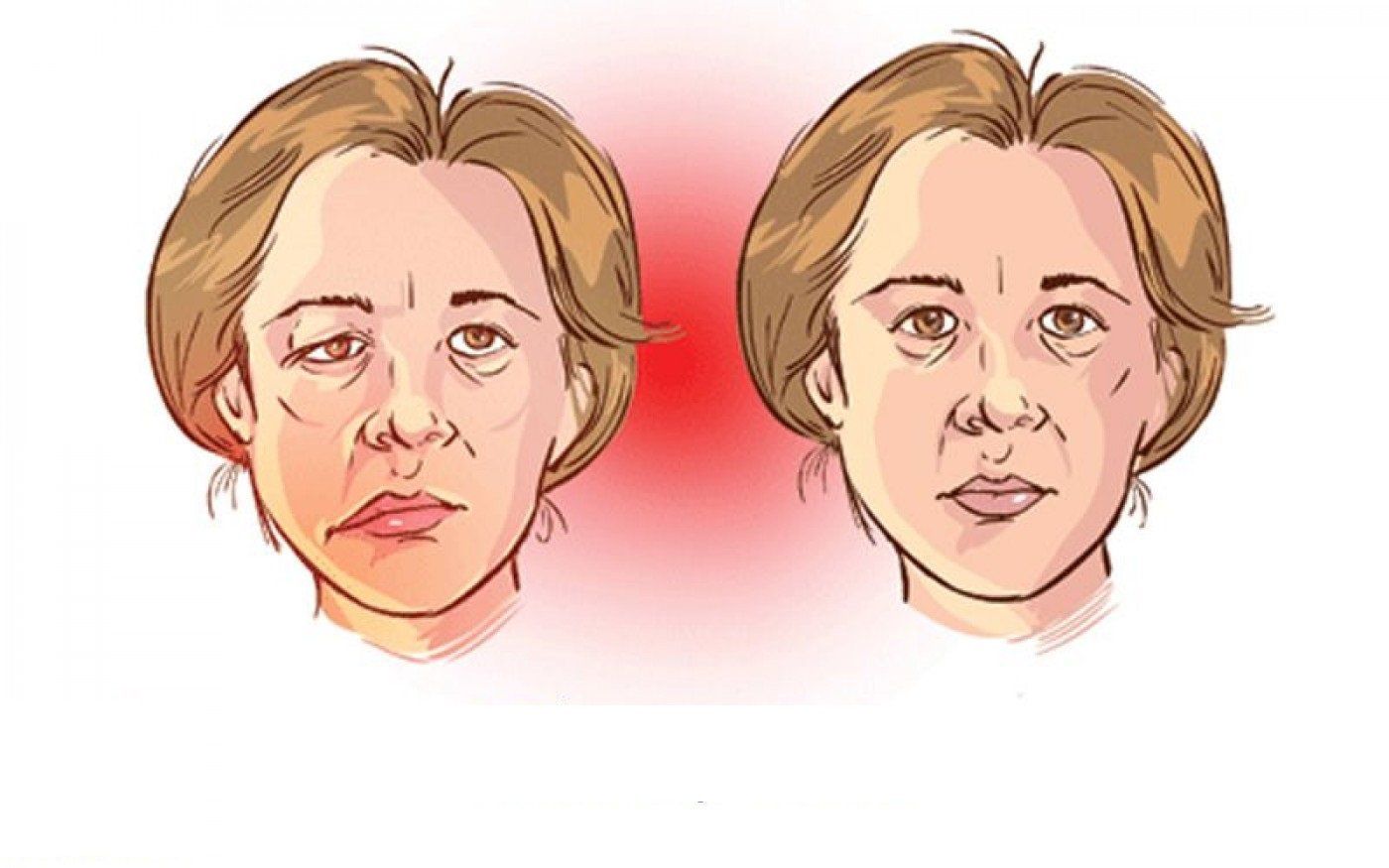
1. Drooping Eyelids (Ptosis)
One of the earliest and most recognizable signs is drooping of one or both eyelids.
-
The droop may worsen as the day progresses.
-
It may improve after rest.
-
It can alternate between eyes.
This happens because the small muscles controlling eyelid movement fatigue easily.

2. Double Vision (Diplopia)
Weakness of the eye muscles can cause misalignment of the eyes, leading to double vision.
-
Vision may improve when one eye is closed.
-
Symptoms often fluctuate.
-
Eye-related symptoms are common early in the disease.
In some individuals, myasthenia gravis remains limited to eye muscles (ocular myasthenia gravis).
3. Difficulty Speaking (Dysarthria)
Muscle weakness may affect speech.
People may experience:
-
Slurred speech
-
A nasal tone
-
Difficulty projecting their voice
-
Speech that worsens with prolonged talking
Because the muscles fatigue, speech clarity may decline as conversation continues.
4. Difficulty Swallowing (Dysphagia)
Weakness of throat muscles can interfere with swallowing.
Signs include:
-
Choking easily
-
Coughing while eating
-
Food sticking in the throat
-
Fatigue during meals
This symptom increases the risk of aspiration (food entering the airway).
5. Weakness in the Neck and Limbs
Muscle weakness may affect:
-
Arms (difficulty lifting objects)
-
Legs (difficulty climbing stairs)
-
Neck (head dropping forward)
The hallmark feature is that strength declines with repeated use and improves with rest.
For example, lifting arms repeatedly may become progressively harder.

6. Shortness of Breath
In more severe cases, muscles involved in breathing can weaken.
This may lead to:
-
Difficulty breathing during exertion
-
Shallow breathing
-
Fatigue while speaking
A severe episode affecting breathing muscles is called a myasthenic crisis and requires emergency medical attention.
What Causes Myasthenia Gravis?
Myasthenia gravis is an autoimmune condition, meaning the immune system mistakenly targets healthy tissue.
In many cases:
-
The thymus gland plays a role.
-
Some patients have thymus enlargement (hyperplasia).
-
Others may develop thymomas (tumors of the thymus).
The exact trigger of the immune response remains unclear.
Genetics may contribute, but myasthenia gravis is not typically inherited directly.
How Is It Diagnosed?
Diagnosis usually involves:
-
Physical examination
-
Blood tests for antibodies
-
Nerve conduction studies
-
Repetitive nerve stimulation testing
-
Imaging of the thymus gland
Doctors look for the characteristic pattern of muscle weakness that worsens with use.
Early diagnosis improves management and reduces complications.
Is Myasthenia Gravis Life-Threatening?
With modern treatment, most individuals live full lives.
However, complications can occur:
-
Myasthenic crisis (respiratory failure)
-
Severe swallowing difficulties
-
Infection due to immunosuppressive therapy
Prompt medical care significantly reduces risks.

Treatment Options
While there is no cure, treatments can control symptoms effectively.
Common approaches include:
1. Acetylcholinesterase Inhibitors
These medications increase the availability of acetylcholine at the neuromuscular junction.
2. Immunosuppressive Therapy
Drugs such as corticosteroids reduce immune system attack.
3. Thymectomy
Surgical removal of the thymus may improve symptoms in some patients.
4. Plasma Exchange or IV Immunoglobulin
Used in severe cases to reduce circulating antibodies.
Treatment plans are individualized based on symptom severity.
When to Seek Medical Attention
Immediate medical care is necessary if someone experiences:
-
Severe breathing difficulty
-
Inability to swallow
-
Sudden worsening weakness
Persistent muscle weakness that fluctuates should also be evaluated by a healthcare professional.
Living with Myasthenia Gravis
Management often includes:
-
Energy conservation
-
Avoiding extreme fatigue
-
Managing stress
-
Monitoring medication effects
-
Regular follow-up with specialists
Triggers that may worsen symptoms include:
-
Infection
-
Certain medications
-
Emotional stress
-
Lack of sleep
Education and awareness play key roles in maintaining stability.
Final Thoughts
Myasthenia gravis is a chronic autoimmune disorder that disrupts communication between nerves and muscles, leading to fluctuating muscle weakness. Early symptoms often involve the eyes but may progress to affect speech, swallowing, limb strength, and breathing.
Although the condition can be serious, advances in medical treatment allow many individuals to manage symptoms effectively.
If unexplained muscle weakness worsens with activity and improves with rest, medical evaluation is essential. Early diagnosis leads to better outcomes and improved quality of life.