
How can you identify myasthenia gravis, and what warning signs does it present?
What is myasthenia gravis, and how can you recognize its signs?
Health 25/02/2026 16:24
Purslane (Portulaca oleracea) is often dismissed as a common weed. It grows in sidewalk cracks, gardens, empty lots, and roadside soil without care or attention. Many people pull it out and throw it away without realizing that this humble plant is one of the most nutrient-dense leafy greens available.
Across traditional medicine systems and culinary cultures worldwide, purslane has been valued for centuries. Modern research has only recently begun to confirm what older traditions already knew: this resilient plant carries remarkable nutritional and functional properties.
Here are eleven important truths about purslane that may change the way you see it.
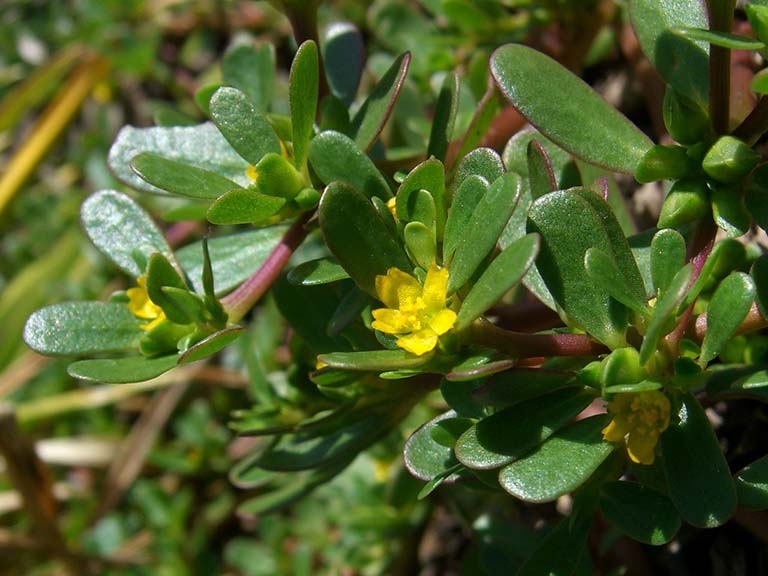
Most people associate omega-3 fatty acids with fatty fish like salmon. However, purslane contains alpha-linolenic acid (ALA), a plant-based omega-3.
Omega-3s play roles in:
Supporting cardiovascular health
Reducing inflammation
Supporting brain function
Maintaining cell membrane integrity
Among leafy vegetables, purslane stands out for its unusually high omega-3 content. While plant-based ALA is not identical to marine EPA and DHA, it still contributes meaningfully to overall intake.
Purslane contains several antioxidant compounds, including:
Vitamin C
Vitamin E
Beta-carotene
Glutathione
Flavonoids
Antioxidants help neutralize free radicals, which are unstable molecules that can damage cells. Oxidative stress has been associated with aging and various chronic diseases.
The antioxidant profile of purslane makes it nutritionally comparable to many cultivated superfoods.

One surprising fact: purslane contains measurable amounts of melatonin.
Melatonin is commonly known as the hormone that regulates sleep-wake cycles. In plants, it also functions as an antioxidant.
Although the amount from dietary sources is modest, this compound contributes to purslane’s unique biochemical profile.
Purslane provides important electrolytes such as:
Magnesium
Potassium
Calcium
Magnesium supports muscle and nerve function, blood glucose regulation, and energy production. Potassium helps regulate blood pressure and fluid balance.
For individuals seeking mineral-rich plant foods, purslane offers an impressive profile in a small serving.
Several bioactive compounds in purslane have demonstrated anti-inflammatory properties in laboratory studies.
Chronic inflammation is linked to conditions such as:
Cardiovascular disease
Metabolic disorders
Joint problems
While purslane is not a medical treatment, its nutrient density may support overall inflammatory balance as part of a varied diet.
Purslane contains both soluble and insoluble fiber.
Fiber contributes to:
Digestive health
Blood sugar stability
Cholesterol regulation
Satiety
Because it has a slightly mucilaginous (gel-like) texture, purslane can support smooth digestion when eaten fresh or lightly cooked.
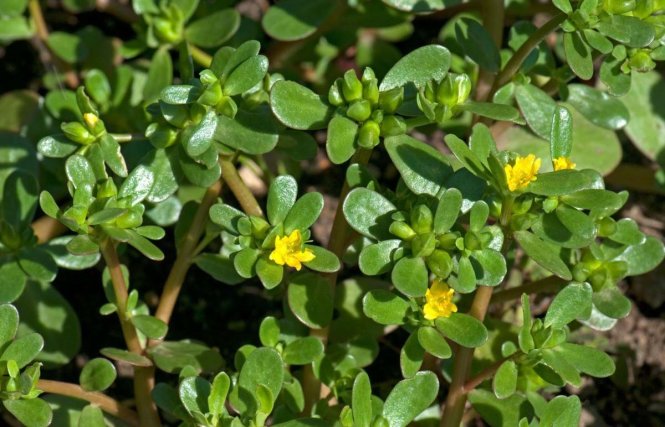
In various traditional systems, purslane has been used to support:
Digestive comfort
Skin conditions
Minor wounds
General vitality
While modern medicine requires evidence-based validation, the historical consistency of its use across cultures is notable.
Purslane thrives in poor soil, drought conditions, and intense heat. Its succulent leaves store water, allowing it to survive where other plants fail.
This resilience makes it:
Easy to grow
Sustainable
Accessible in many climates
From an agricultural perspective, purslane may represent a valuable crop for regions facing water scarcity.

Purslane has a mild, slightly tangy, lemony flavor with a crisp texture.
It can be used:
Raw in salads
Blended into smoothies
Added to soups and stews
Stir-fried lightly
Mixed into yogurt or dips
Its natural acidity makes it a refreshing addition to summer dishes.
Some studies suggest that purslane extracts may influence:
Blood glucose regulation
Lipid profiles
These findings are preliminary and should not be interpreted as medical treatment. However, the combination of fiber, antioxidants, and omega-3 fatty acids suggests potential metabolic benefits.
Perhaps the most remarkable truth is that purslane is commonly discarded.
Because it grows aggressively and spreads close to the ground, many gardeners remove it without recognizing its value.
This reflects a broader pattern in nutrition: some of the most beneficial plants grow quietly, without marketing or commercial packaging.
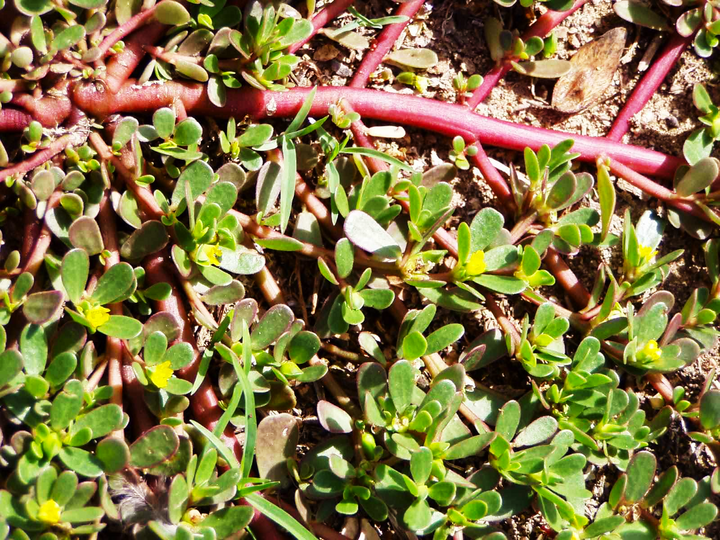
Purslane is low in calories but high in nutrients. It contains:
Vitamin A (from beta-carotene)
Vitamin C
Magnesium
Potassium
Iron (in moderate amounts)
Omega-3 fatty acids
Its nutrient density per calorie makes it a strong candidate for inclusion in plant-forward diets.
Purslane also contains oxalates, compounds that may contribute to kidney stone formation in susceptible individuals.
Those with a history of kidney stones or oxalate sensitivity should consume it in moderation and consult a healthcare professional if unsure.
As with all wild plants, proper identification is essential before consumption.
Purslane challenges the idea that only cultivated, marketed plants deserve attention. It grows without assistance, survives harsh environments, and delivers a remarkable array of nutrients.
It is not a miracle cure. It is not a replacement for medical treatment. But as a whole food, it offers meaningful nutritional value that has been overlooked for generations.
Sometimes the most powerful plants are the ones growing quietly at our feet.
What is myasthenia gravis, and how can you recognize its signs?

Don’t Miss These 10 Early Warning Signs of Stroke

The Lesser-Known Health Benefits of Papaya Leaves
5 foods you should avoid pairing with sweet potatoes
Recognizing Advanced Stomach Cancer: 7 Serious Red Flags

How does regularly drinking ginger and red date tea in the morning affect your body?

What every woman should know about the health effects of clove

8 symptoms that could suggest declining kidney function
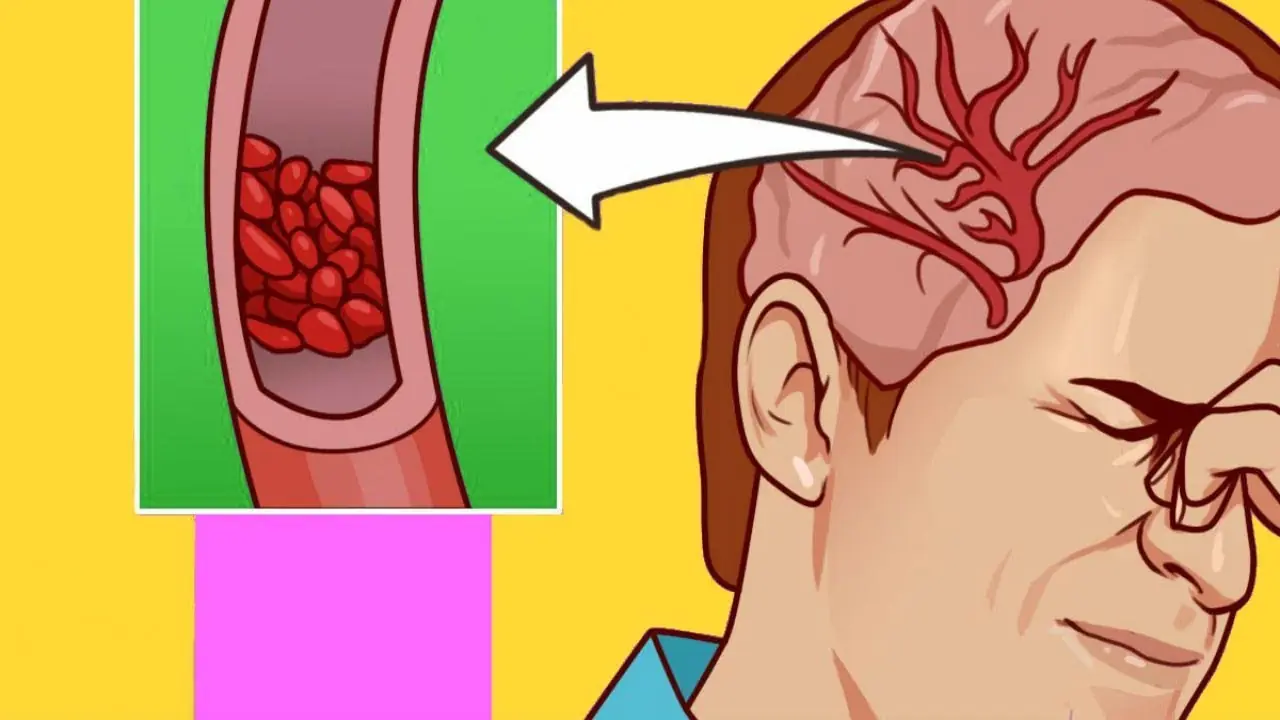
Magnesium Deficiency 101: 32 Symptoms You Should Never Overlook

5 changes in skin pigmentation that could require medical evaluation
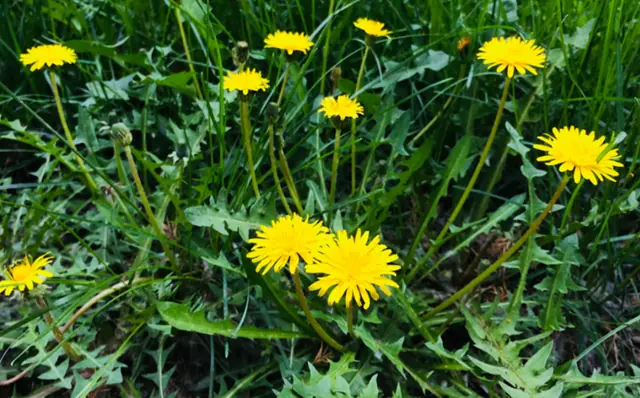
Just a wild plant growing by the roadside, dandelion has long been considered “both a vegetable and a medicine.”

3 types of water you should avoid storing in a thermos

Passing foamy urine occasionally is usually harmless.

What Really Happens When You Eat a Banana Before Bed According to Doctors

Your Tongue Reflects Your Health—Here Are 4 Red Flags to Check
Beetroot, carrots, radishes, sweet potatoes, and garlic provide vitamins and plant compounds that support blood sugar control, making them beneficial for people with diabetes.
Garlic (Allium sativum) is one of the best-known and most studied natural remedies in the world.
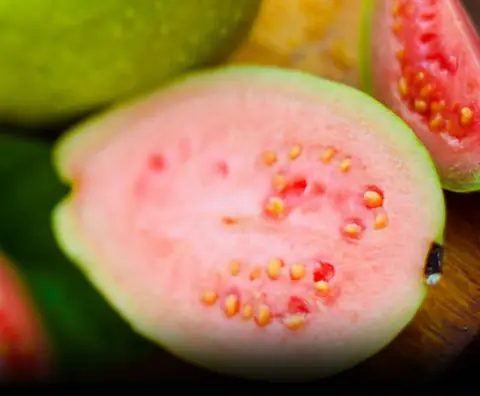
Guava is a nutritious fruit packed with vitamin C, fiber, and a variety of bioactive compounds.
Rudolf Breuss was an Austrian naturopath who promoted alternative approaches to cancer care.
What is myasthenia gravis, and how can you recognize its signs?
Don’t Miss These 10 Early Warning Signs of Stroke
The Lesser-Known Health Benefits of Papaya Leaves
5 foods you should avoid pairing with sweet potatoes
Recognizing Advanced Stomach Cancer: 7 Serious Red Flags
How does regularly drinking ginger and red date tea in the morning affect your body?
What every woman should know about the health effects of clove
8 symptoms that could suggest declining kidney function
Magnesium Deficiency 101: 32 Symptoms You Should Never Overlook
5 changes in skin pigmentation that could require medical evaluation
Just a wild plant growing by the roadside, dandelion has long been considered “both a vegetable and a medicine.”
3 types of water you should avoid storing in a thermos
Passing foamy urine occasionally is usually harmless.
What Really Happens When You Eat a Banana Before Bed According to Doctors

Losing a loved one is a very painful experience, but life and death are immutable laws of nature that we must confront in our lives.
Your Tongue Reflects Your Health—Here Are 4 Red Flags to Check
Beetroot, carrots, radishes, sweet potatoes, and garlic provide vitamins and plant compounds that support blood sugar control, making them beneficial for people with diabetes.

How to repair a noisy washing machine spin cycle.
Garlic (Allium sativum) is one of the best-known and most studied natural remedies in the world.