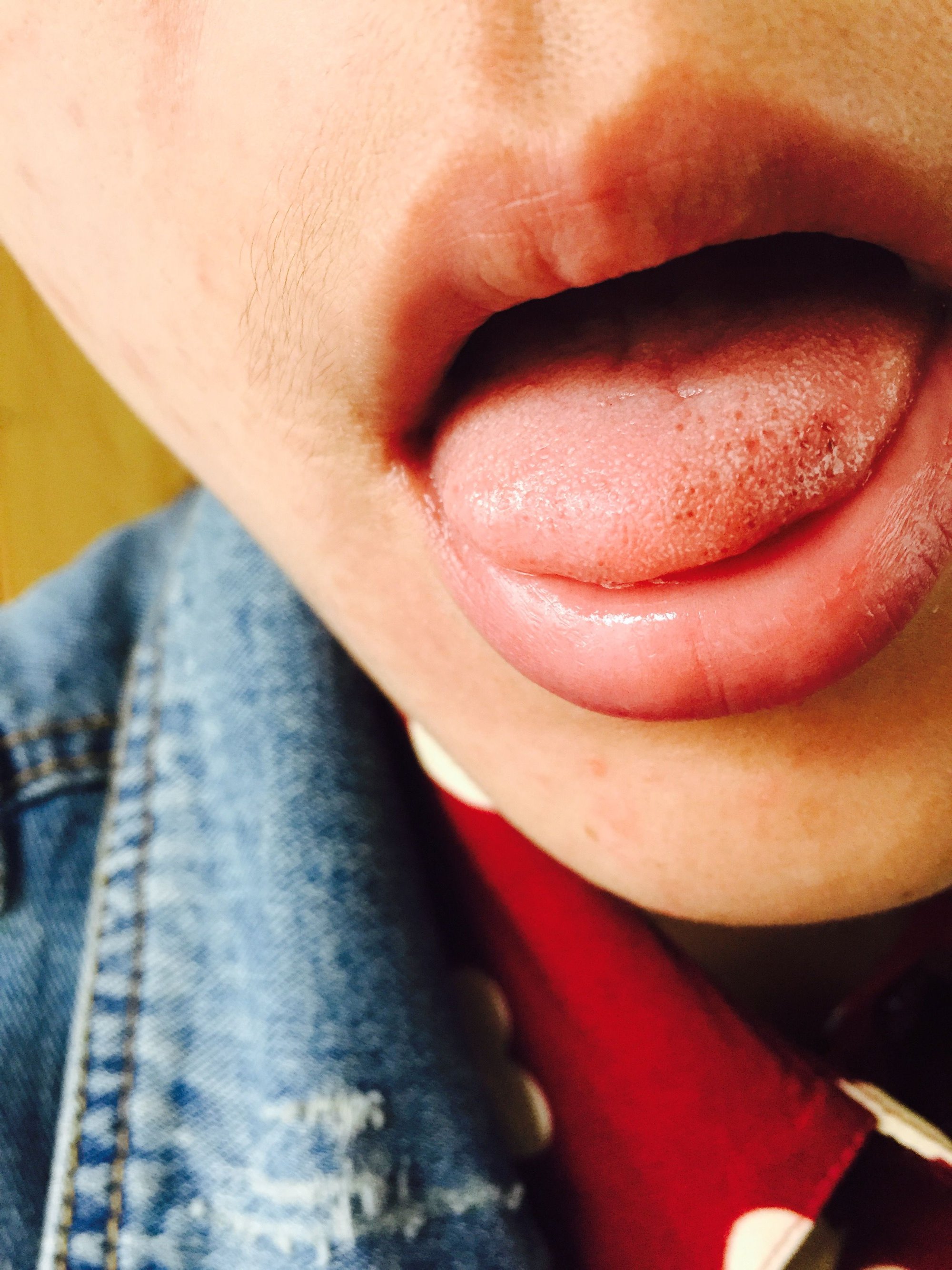
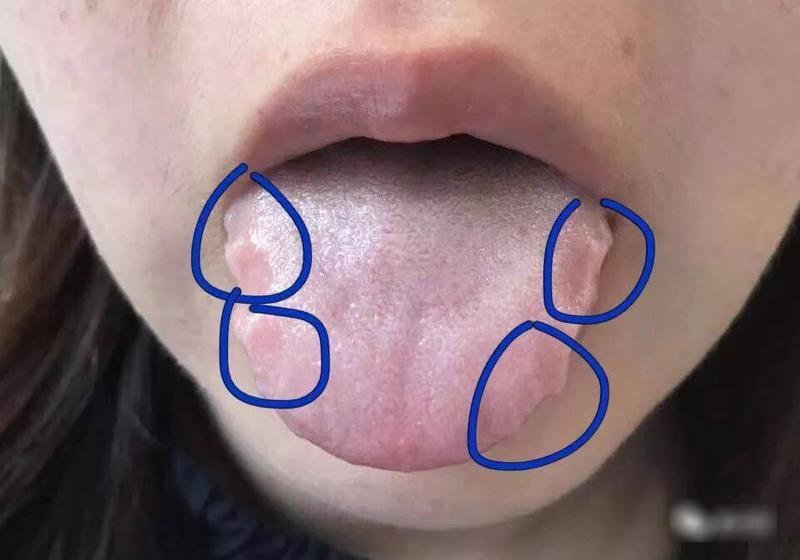
2. Teeth Marks on the Sides of the Tongue
Many people are familiar with this sign. If the sides of your tongue appear swollen and show indentations resembling teeth marks, it may indicate excess moisture retention in the body.
When moisture levels are high, the tongue can become swollen, causing it to press against the teeth and leave marks along the edges. In traditional health perspectives, excess “dampness” is often associated with spleen function. Supporting digestive health is considered key to reducing this condition.
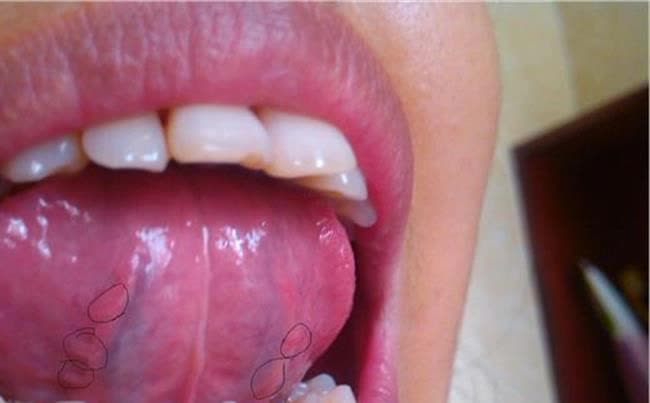
3. Dark Purple Bruise-Like Spots on the Back of the Tongue
Try curling your tongue upward and looking at the underside or back area. If you notice dark purple, bruise-like spots, it may suggest poor blood circulation, which can lead to visible changes in tongue color.
For women in particular, dark purplish discoloration under the tongue is sometimes associated with more severe menstrual cramps during their cycle.
4. Thick Yellow Tongue Coating
As mentioned earlier, a healthy tongue has only a thin white coating. If you stick out your tongue and notice a thick coating—especially one that appears yellowish, sticky, and possibly accompanied by bad breath—you should be cautious.
This condition may be linked to excess internal moisture, digestive system imbalances, or unhealthy eating habits.
If you observe any of the changes described above, it is best to consult a doctor as soon as possible to properly assess your health condition.
In addition to maintaining good oral hygiene and a healthy diet, doctors recommend regularly checking your tongue and even exercising it. The exercise is simple: extend your tongue forward as far as possible 10 times, then move it 5 times to the left and 5 times to the right, holding each stretch for about 2 seconds.
This exercise may help stimulate taste function, reduce oral health problems, support certain internal organs, and promote digestion. The best time to practice is early in the morning after waking up, once per day.