Ovarian health plays a central role in a woman’s reproductive system. The ovaries are responsible for producing eggs, regulating menstrual cycles, and secreting essential hormones such as estrogen and progesterone. When ovarian function is disrupted, it can contribute to hormonal imbalance, irregular cycles, fertility challenges, and certain gynecological conditions.
While diet alone cannot prevent or cure medical conditions, growing research suggests that specific nutrients can support hormonal balance, reduce inflammation, and improve metabolic health — all of which influence ovarian function.
Here are six foods that may support ovarian health and potentially lower the risk of certain gynecological conditions.
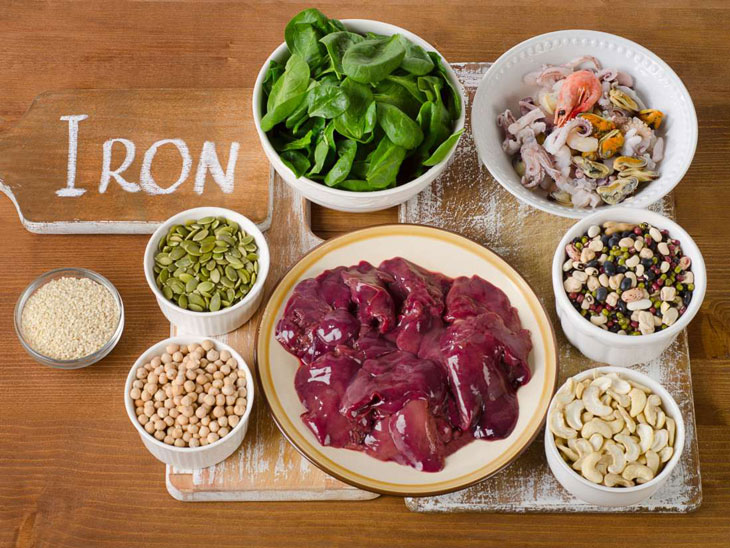
1. Fatty Fish (Rich in Omega-3 Fatty Acids)
Examples: salmon, sardines, mackerel, trout.
Fatty fish are among the best dietary sources of omega-3 fatty acids, particularly EPA and DHA. These essential fats play a powerful role in reducing systemic inflammation.
Why this matters for the ovaries:
-
Chronic inflammation is linked to conditions such as polycystic ovary syndrome (PCOS) and endometriosis.
-
Omega-3s may help regulate menstrual cycles.
-
They can improve insulin sensitivity, which is particularly important in PCOS.
Research suggests that omega-3 fatty acids may also influence hormone production and support better egg quality by improving blood flow to reproductive organs.
For women who do not consume fish, plant-based sources like flaxseeds and chia seeds provide ALA (a precursor to EPA and DHA), though conversion rates in the body are limited.
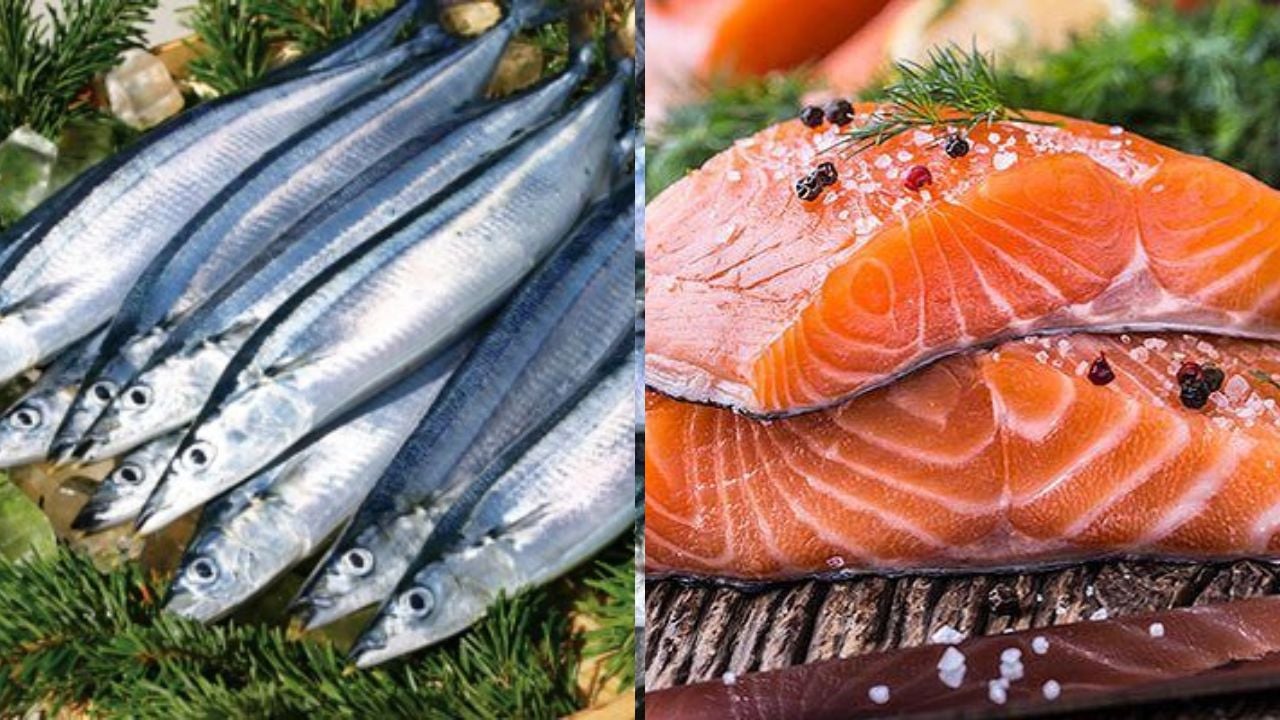
2. Leafy Green Vegetables
Examples: spinach, kale, Swiss chard, arugula.
Leafy greens are rich in folate, magnesium, iron, and antioxidants — nutrients essential for reproductive health.
Key benefits:
-
Folate supports DNA synthesis and cell division, which is critical for egg development.
-
Magnesium helps regulate stress hormones and may reduce menstrual discomfort.
-
Antioxidants protect ovarian tissue from oxidative stress.
Oxidative stress is believed to contribute to reduced ovarian reserve and aging of eggs. Diets high in antioxidant-rich vegetables may help counteract this damage.
Additionally, fiber in leafy greens supports estrogen metabolism by promoting proper elimination through the digestive system.
3. Berries (High in Antioxidants)
Examples: blueberries, strawberries, raspberries, blackberries.
Berries are packed with vitamin C, flavonoids, and other antioxidants that help neutralize free radicals.
Ovarian relevance:
-
Protect ovarian cells from oxidative damage.
-
Support immune function.
-
Help regulate inflammation.
Antioxidants are especially important because ovarian tissue is highly sensitive to oxidative stress. Damage to ovarian cells over time can affect fertility and hormone production.
Regular consumption of berries may also support vascular health, improving blood circulation to reproductive organs.
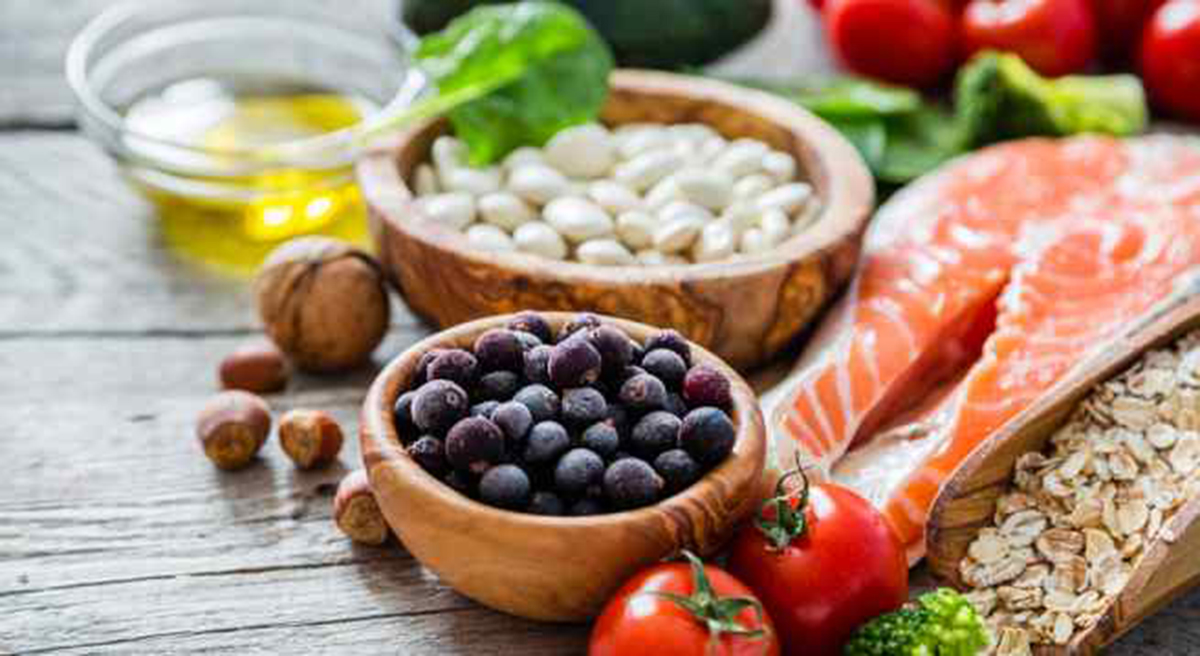
4. Nuts and Seeds
Examples: walnuts, almonds, flaxseeds, chia seeds, pumpkin seeds.
Nuts and seeds provide healthy fats, zinc, selenium, and vitamin E — all important for reproductive function.
Nutritional highlights:
-
Vitamin E acts as an antioxidant that protects ovarian cells.
-
Zinc supports hormone regulation and ovulation.
-
Selenium contributes to antioxidant defense systems in the body.
Some studies suggest that adequate zinc intake is associated with improved ovulatory function. Pumpkin seeds, in particular, are a good source of zinc.
Flaxseeds also contain lignans, plant compounds that may help balance estrogen levels by binding to excess hormones in the body.
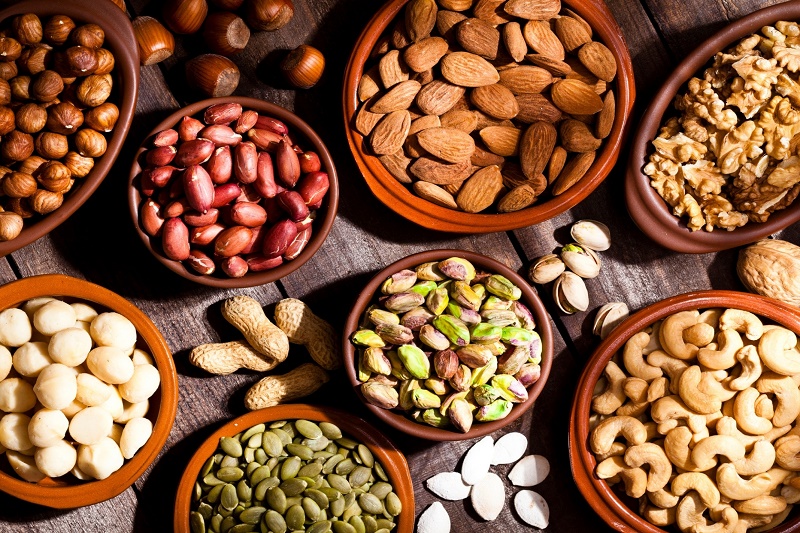
5. Legumes (Beans, Lentils, Chickpeas)
Legumes are rich in plant protein, fiber, and phytoestrogens.
How they help:
-
Fiber supports healthy insulin levels.
-
Stable insulin levels are crucial for ovarian hormone balance.
-
Phytoestrogens may gently modulate estrogen activity in the body.
Insulin resistance is a major contributor to PCOS and hormonal irregularities. High-fiber foods such as lentils and beans slow glucose absorption and improve metabolic stability.
Unlike refined carbohydrates, legumes help prevent sharp blood sugar spikes that can disrupt ovarian hormone signaling.
6. Whole Grains
Examples: quinoa, brown rice, oats, barley.
Whole grains contain complex carbohydrates, B vitamins, and fiber.
Benefits for ovarian health:
-
Help stabilize blood sugar levels.
-
Reduce insulin spikes.
-
Support long-term hormonal balance.
Frequent blood sugar fluctuations can stimulate excess androgen production, particularly in women with PCOS. Replacing refined grains with whole grains supports metabolic health and may indirectly improve ovarian function.
Whole grains also provide B vitamins, which are involved in hormone synthesis and energy metabolism.
The Bigger Picture: Why Diet Influences Ovarian Health
Ovarian function is closely linked to:
-
Hormonal balance
-
Insulin sensitivity
-
Inflammatory status
-
Oxidative stress
-
Body composition
-
Gut microbiome health
Diets high in added sugars, processed foods, and trans fats may increase inflammation and insulin resistance — both of which negatively impact ovarian function.
Conversely, nutrient-dense, anti-inflammatory dietary patterns — such as the Mediterranean-style diet — are associated with improved reproductive health markers.
It is important to emphasize that food is not a substitute for medical treatment. Conditions such as ovarian cysts, PCOS, endometriosis, and ovarian cancer require proper medical evaluation and management.
However, dietary choices can support the body’s natural regulatory systems and potentially reduce risk factors over time.
Practical Tips for Supporting Ovarian Health
-
Include healthy fats daily (especially omega-3 sources).
-
Prioritize fiber-rich foods to stabilize blood sugar.
-
Eat a variety of colorful fruits and vegetables.
-
Stay hydrated.
-
Limit added sugars and ultra-processed foods.
-
Maintain a healthy body weight.
-
Engage in regular physical activity.
Lifestyle factors such as stress management and sleep also significantly influence hormonal balance.
Final Thoughts
Ovarian health is influenced by complex interactions between hormones, metabolism, genetics, and environment. While no single food can prevent disease, consistent dietary patterns rich in antioxidants, healthy fats, fiber, and essential micronutrients may help support ovarian function and reduce certain gynecological risk factors.
Small, sustainable dietary improvements over time can contribute to better hormonal balance and long-term reproductive health.
If there are persistent symptoms such as irregular cycles, severe pelvic pain, unusual bleeding, or fertility concerns, consultation with a healthcare professional is essential.
If needed, I can also provide a more SEO-optimized headline version or a shorter social-media format.