Waking up in the middle of the night with a sudden, tight, painful muscle in your calf can be both frustrating and exhausting. Night leg cramps are common and can affect people of all ages. While they are usually harmless, the discomfort can disrupt sleep and leave lingering soreness the next day.
Although the exact cause of nighttime leg cramps is not always clear, they are often linked to muscle fatigue, dehydration, poor circulation, prolonged sitting, or mineral imbalances. The good news is that small daily adjustments can significantly reduce how often they happen. Here are five simple, practical tips to help ease and prevent leg cramps at night.
1. Stretch Before Bed
One of the most effective ways to reduce nighttime cramps is gentle stretching before sleep. Tight calf and hamstring muscles are more likely to spasm during the night, especially if you have been sitting or standing for long periods.
Try a basic calf stretch: stand facing a wall, place your hands against it, step one foot back, and press your heel into the floor while bending the front knee. Hold for 20–30 seconds and switch sides. You can also sit on the floor with your legs extended and gently reach toward your toes.
Consistent stretching improves flexibility and circulation, which may lower the chance of sudden muscle contractions while you sleep.
2. Stay Properly Hydrated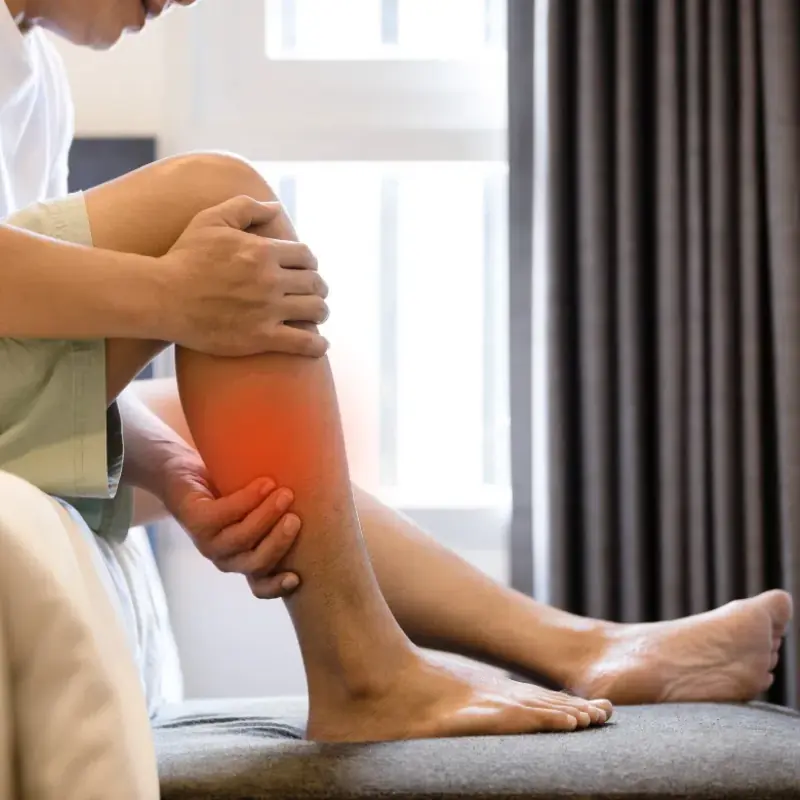
Dehydration is a common trigger for muscle cramps. When your body lacks adequate fluids, electrolyte balance can shift, affecting how muscles contract and relax.
Make sure you drink enough water throughout the day, especially if you exercise, spend time in hot weather, or consume caffeine. While hydration needs vary from person to person, keeping your urine light in color is often a simple sign that you are drinking enough.
In addition to water, a balanced diet that includes potassium-, magnesium-, and calcium-rich foods may support healthy muscle function. Foods such as bananas, leafy greens, nuts, seeds, and dairy products can help maintain proper mineral balance.
3. Improve Circulation During the Day
Sitting for extended periods can contribute to poor circulation and muscle tightness, both of which increase the likelihood of nighttime cramps. If you work at a desk or spend long hours seated, try to stand up and move around every hour.
Light activity such as walking, gentle calf raises, or ankle rolls can keep blood flowing efficiently to the lower legs. Regular moderate exercise, including swimming, cycling, or brisk walking, also helps maintain muscle strength and flexibility.
However, avoid intense exercise too close to bedtime, as overworked muscles may be more prone to cramping during the night.
4. Adjust Your Sleep Position
Your sleeping posture may influence how your leg muscles behave overnight. Pointing your toes downward for long periods can shorten calf muscles and increase the risk of cramps.
If you tend to sleep on your back, consider placing a pillow under your knees to keep your legs slightly bent and relaxed. If you sleep on your stomach, try letting your feet hang loosely over the edge of the mattress to prevent the toes from pointing downward.
Small adjustments in positioning can reduce unnecessary strain on your lower legs while you rest.
5. Respond Quickly When a Cramp Strikes
Even with prevention strategies, cramps can still happen occasionally. Knowing how to react can shorten the duration and reduce discomfort.
When a cramp starts, gently flex your foot upward toward your shin. This movement stretches the calf muscle and often helps it release more quickly. Standing up and carefully putting weight on the affected leg can also encourage the muscle to relax.
After the cramp subsides, gently massage the area or apply a warm compress to ease lingering tightness. Some people also find relief from a warm shower before returning to bed.
When to Seek Medical Advice
While most night leg cramps are harmless, frequent or severe episodes may warrant medical evaluation. If cramps are persistent, accompanied by swelling, redness, muscle weakness, or other unusual symptoms, consult a healthcare professional. Certain medications or underlying conditions can sometimes contribute to muscle cramping.