The 5 Health Tests You Should Avoid — Doctors Explain Why
Routine health checkups can help catch problems early — but not all health tests are useful for everyone. In fact, some screening exams, when done unnecessarily or at the wrong time, can lead to false alarms, unnecessary treatments, anxiety, and even riskier procedures. Understanding which tests are beneficial and which aren’t recommended for routine use can protect your health and prevent harm.
Here are five common health tests that doctors say many people should avoid unless specifically advised by a medical professional:
1. Annual Full-Body CT Scans for Healthy People
Whole-body CT scans are sometimes marketed as a way to detect disease early, but in healthy individuals with no symptoms, they can do more harm than good. CT scans expose you to significant radiation. Over time, repeated exposure increases your lifetime risk of cancer — especially when the probability of finding a serious problem is low.
Unless your doctor has a clear medical reason to order a CT scan, a full body scan is not recommended as routine screening for healthy adults.
2. DEXA Bone Scans Before Age 65 Without Risk Factors
DEXA scans measure bone density and can diagnose osteoporosis — but universal screening is not advised for everyone. Experts recommend bone density testing mainly for women over age 65 and older adults with specific risk factors (such as long-term steroid use, a history of fractures, or conditions that affect bone strength).
Getting tested too early or without risk factors can lead to unnecessary treatment or worry without real benefit.
3. PSA Tests for Prostate Cancer in Low-Risk Men
Prostate-specific antigen (PSA) tests can help detect prostate cancer — but they’re not suitable for all men. In men at low risk under age 55 or without symptoms, routine PSA screening can lead to overdiagnosis. Many prostate cancers grow so slowly they would never cause harm in a man’s lifetime, yet detecting them may result in unnecessary biopsies, anxiety, and side effects from treatment.
Talk with your doctor about your personal risk before choosing PSA testing.
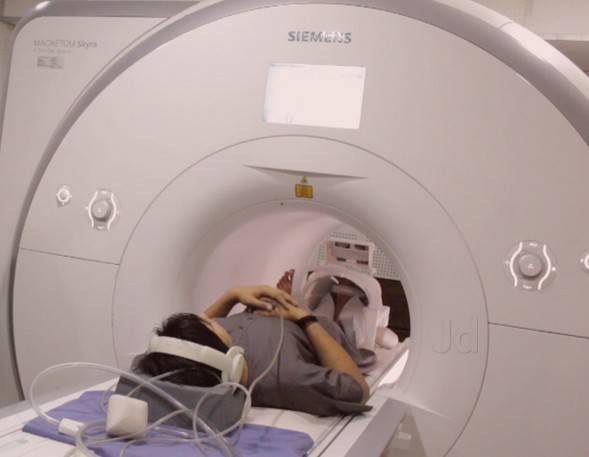
4. Full Body Scans or Whole-Body MRI for General Screening
Similar to full-body CT scans, full-body MRI or other comprehensive imaging is increasingly offered as “preventive scanning.” However, without symptoms or specific medical indications, these scans often find incidental abnormalities that aren’t dangerous but trigger follow-up tests, biopsies, and stress.
Most major medical organizations do not recommend whole-body imaging for routine screening in healthy people.
5. Routine Vitamin D Testing in People Without Symptoms
Vitamin D is essential for bone health and immune function, and deficiency can be important to identify and treat. However, universal screening — testing vitamin D levels in people without symptoms or risk factors — has become too common and may lead to unnecessary supplementation or misinterpretation.
Doctors advise testing vitamin D levels only when there are clear risk factors (such as osteoporosis, malabsorption disorders, or prolonged lack of sun exposure).
Why Avoid Unnecessary Tests?
Unnecessary screening doesn’t just waste money — it can lead to:
-
False positives and unnecessary anxiety
-
Follow-up tests that carry their own risks
-
Overtreatment of harmless findings
-
Radiation exposure from imaging tests
-
Procedures with side effects that outweigh benefits
Modern medicine aims not only to detect disease but also to avoid harm from unnecessary interventions.
When Testing Does Make Sense
Screening tests are most valuable when they’re:
-
Based on age and gender recommendations
-
Guided by personal and family medical history
-
Ordered for specific symptoms or clinical findings
-
Part of evidence-based preventive care
Examples include mammograms for women at certain ages, colonoscopy starting at recommended ages, and diabetes screening in people with high risk.
Always talk with your doctor about what screening tests are right for you — personalized medical advice is far better than generic checklists.