If You See Someone With Bulging Veins, You Should Tell Them These Important Things
Bulging veins are something many people notice on their hands, arms, legs, or feet, especially as they get older. While prominent veins can be completely normal, in some cases they may signal underlying health issues. Understanding why veins bulge and when it matters can help someone take the right steps before problems worsen.
What Are Bulging Veins?
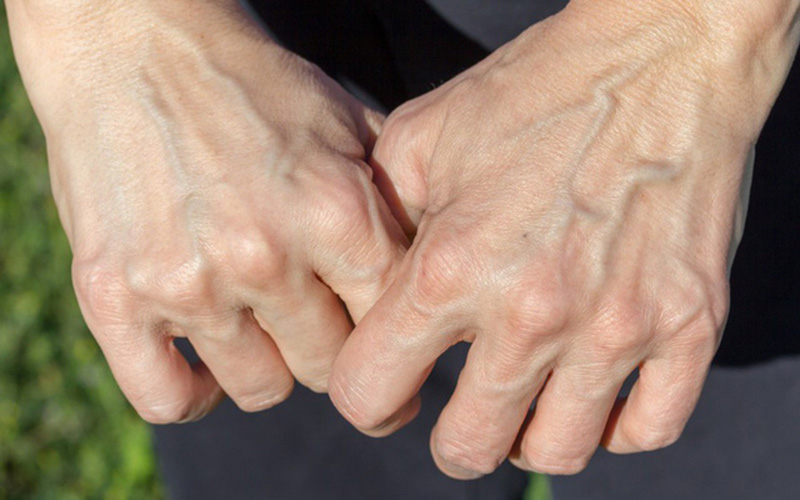
Bulging veins occur when veins become enlarged, twisted, or more visible beneath the skin. This often happens because veins are working harder to push blood back to the heart. Unlike arteries, veins rely on valves and muscle movement to circulate blood, so when these systems weaken, veins can expand and protrude.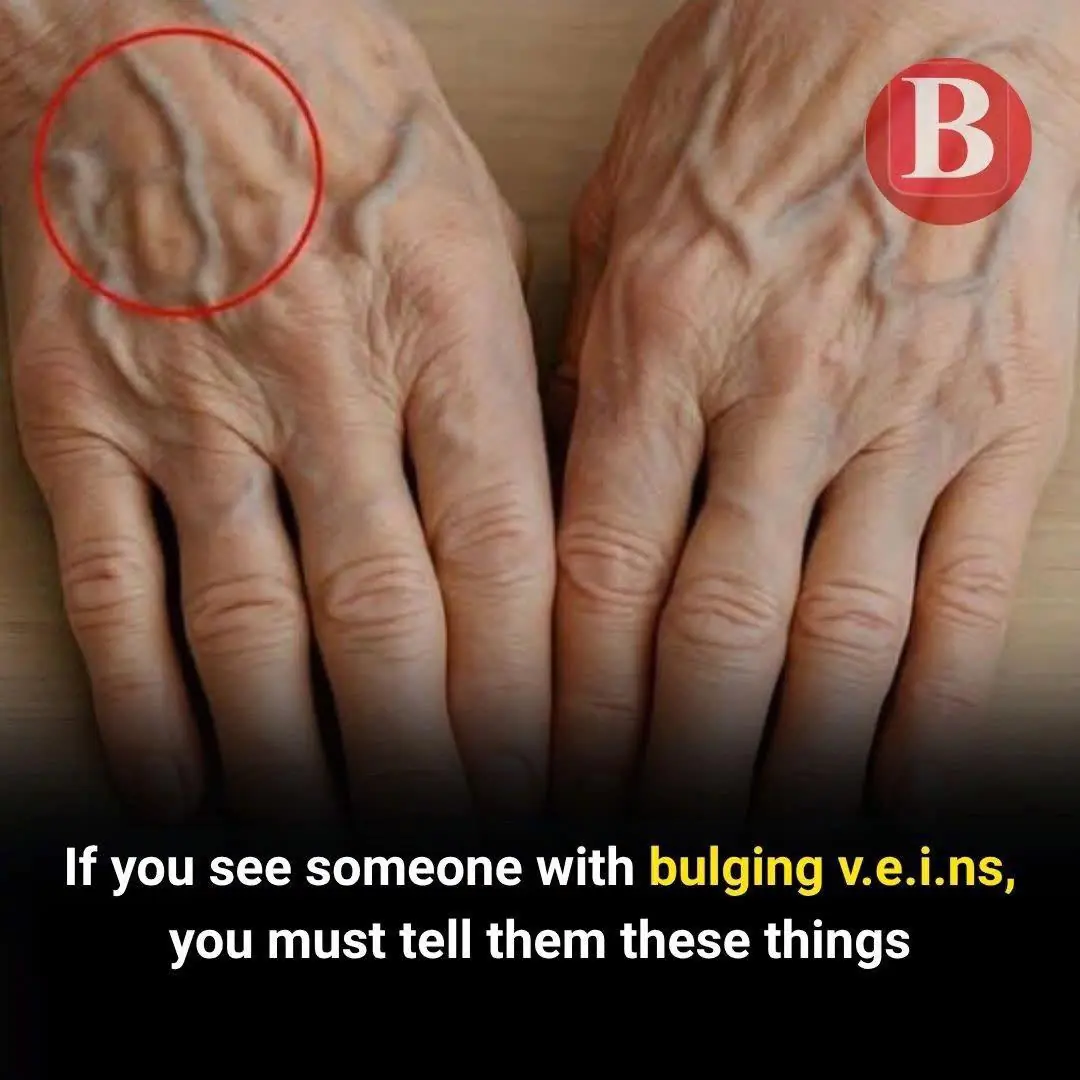
Common and Harmless Reasons
Not all bulging veins are dangerous. In many cases, they are linked to everyday factors, such as:
-
Aging: As skin thins and loses elasticity, veins become more visible.
-
Low body fat: Less fat under the skin makes veins stand out.
-
Physical activity: Exercise increases blood flow, temporarily enlarging veins.
-
Heat exposure: Warm temperatures cause veins to expand.
If bulging veins appear without pain or other symptoms, they are often cosmetic rather than medical.
When Bulging Veins May Signal a Problem
In some situations, bulging veins should not be ignored. They may be a warning sign of deeper health concerns, including:
-
Chronic venous insufficiency (CVI), where blood pools in the veins.
-
Varicose veins, especially in the legs, which may ache or throb.
-
High blood pressure, which puts extra strain on blood vessels.
-
Heart or kidney issues, which can affect circulation and fluid balance.
If veins are accompanied by swelling, pain, skin discoloration, or fatigue, medical evaluation is important.
T
Things You Should Tell Them Immediately
1. Do Not Ignore Persistent Changes
If veins suddenly become more prominent or continue to worsen over time, it is important to monitor the change. Sudden bulging can sometimes indicate circulation issues or fluid retention.
2. Pay Attention to Swelling
Bulging veins combined with swelling in the hands, legs, or ankles may suggest poor blood return or fluid buildup. This can be linked to vein disease, heart strain, or kidney problems.
3. Pain Is a Warning Sign
Veins that are painful, warm, or tender should never be ignored. Pain may indicate inflammation, clot formation, or vein damage, all of which require prompt medical attention.
4. Skin Changes Matter
Tell them to watch for skin darkening, dryness, itching, or sores near bulging veins. These signs can indicate long-term circulation problems and increase the risk of infection.
5. Lifestyle Habits Make a Difference
Simple daily habits can significantly improve vein health:
-
Move regularly and avoid sitting or standing too long.
-
Elevate legs when resting to improve blood flow.
-
Maintain a healthy weight to reduce pressure on veins.
-
Stay hydrated to support circulation.
When to See a Doctor
Encourage them to see a healthcare professional if bulging veins are:
-
Painful or rapidly worsening
-
Accompanied by swelling or shortness of breath
-
Associated with skin ulcers or color changes
-
Appearing alongside fatigue or dizziness
A doctor may recommend blood flow tests, lifestyle changes, compression therapy, or further evaluation depending on the cause.
Why Early Awareness Is Important
Vein-related conditions often progress slowly. Early recognition allows for non-invasive treatment options and prevents complications such as blood clots, skin damage, or chronic discomfort. What begins as a visible vein can sometimes evolve into a long-term circulation issue if ignored.
Final Thoughts
Bulging veins are not always dangerous, but they are your body’s way of communicating. Paying attention to changes, symptoms, and overall health can make a meaningful difference. If you notice bulging veins in someone, reminding them to observe their symptoms and seek advice when needed could help prevent serious complications later on.