A black toenail can be alarming at first glance. Whether it appears suddenly after a workout or gradually darkens over time, the discoloration often raises immediate concerns. While many cases are harmless and linked to minor injuries, others may signal infections or more serious medical conditions. Understanding the root cause is essential to choosing the right treatment and knowing when to seek professional care.
The Most Common Cause: Bruising Under the Nail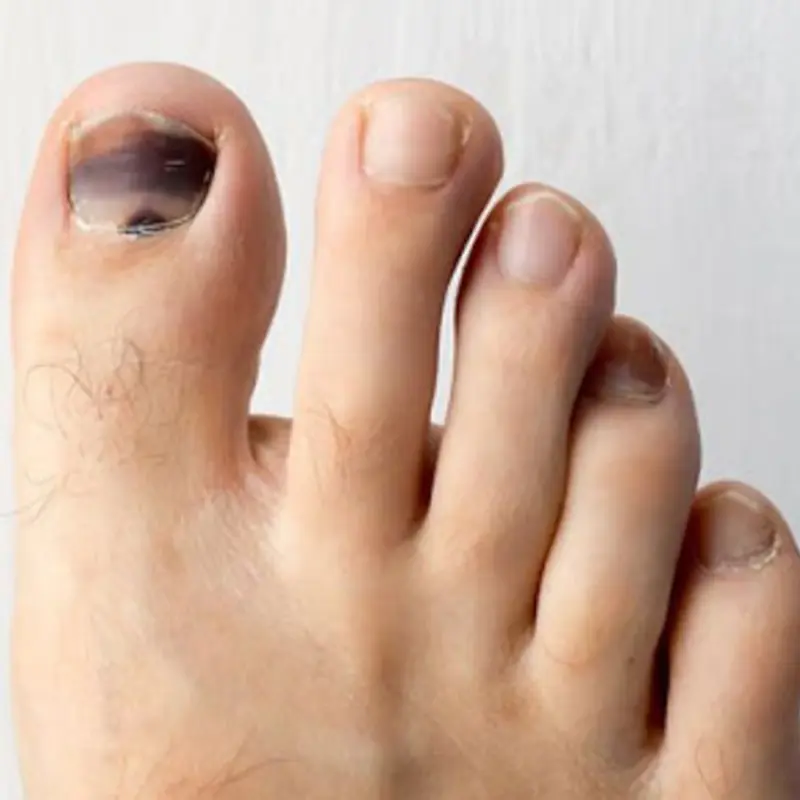
One of the leading reasons for a black toenail is a condition called a subungual hematoma — essentially a bruise beneath the nail. This typically happens after trauma, such as stubbing your toe, dropping a heavy object on your foot, or wearing tight shoes during running or sports.
When blood becomes trapped under the nail plate, it creates a dark red, purple, or black appearance. The nail may feel tender or painful, especially in the first few days. In mild cases, the discoloration gradually grows out as the nail regenerates, which can take several months.
If pressure and pain are severe, a healthcare professional may need to relieve the buildup of blood. However, most minor cases heal on their own without complications.
Repetitive Stress and “Runner’s Toe”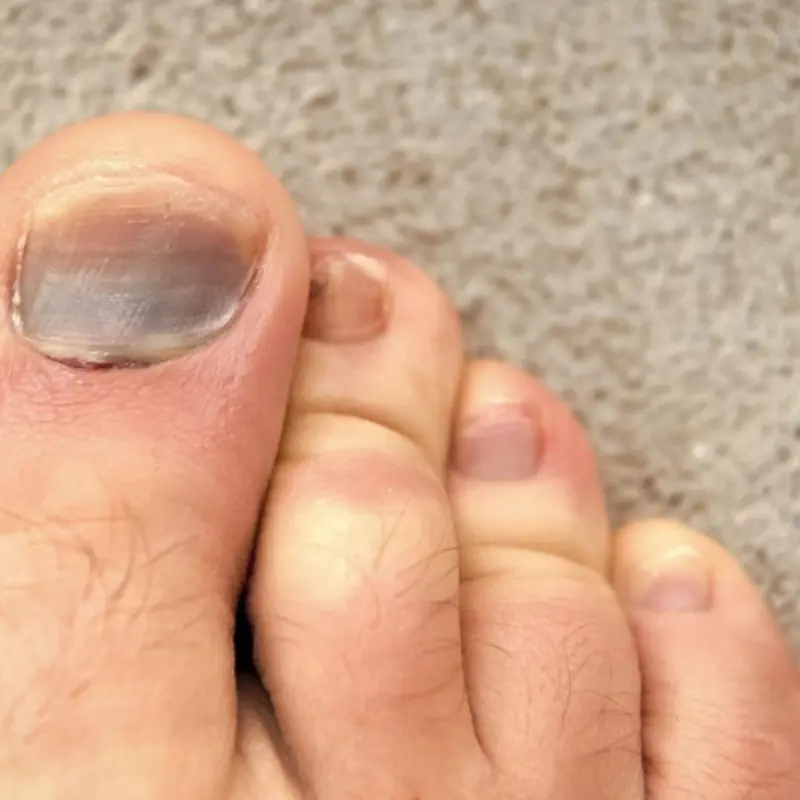
Athletes, especially runners and hikers, frequently experience black toenails due to repetitive impact. Constant friction between the toe and the shoe can damage small blood vessels under the nail. Over time, this repeated stress leads to bruising similar to a direct injury.
Proper footwear plays a critical role in prevention. Shoes that are too tight or too loose increase movement and friction. Ensuring a good fit, trimming toenails regularly, and wearing moisture-wicking socks can significantly reduce risk.
Fungal Infections
Not all black toenails are caused by trauma. Fungal infections can also lead to nail discoloration, though the color may range from yellow and brown to dark green or black in more advanced cases.
Fungal nail infections often develop in warm, damp environments such as sweaty shoes or public locker rooms. Besides discoloration, other signs include thickening of the nail, brittleness, crumbling edges, and sometimes an unpleasant odor.
Unlike bruising, fungal infections usually do not cause immediate pain but tend to worsen gradually. Treatment may involve topical antifungal medications or prescription oral medication, depending on severity. Early intervention improves success rates and prevents the infection from spreading.
Bacterial Infections
In some instances, a bacterial infection can cause the nail to turn greenish-black. This often occurs when moisture becomes trapped under a partially lifted nail. The affected area may appear discolored and sometimes emit a distinct smell.
Keeping feet clean and dry is essential. If discoloration spreads or signs of infection such as swelling, warmth, or pus develop, medical evaluation is necessary.
Rare but Serious: Skin Cancer Under the Nail
Though uncommon, persistent dark streaks or spots under the nail that are not linked to injury should never be ignored. In rare cases, they may indicate subungual melanoma, a form of skin cancer that develops under the nail.
Warning signs include a dark line that widens over time, pigment spreading to the surrounding skin, or a nail that splits without clear trauma. Unlike a bruise, this type of discoloration does not grow out with the nail.
Any unexplained nail pigmentation lasting several weeks should be examined by a healthcare professional. Early detection is critical for effective treatment.
How to Handle a Black Toenail Safely
The appropriate response depends entirely on the cause:
-
After trauma: Rest the foot, apply ice, and elevate it to reduce swelling. Over-the-counter pain relief may help if needed.
-
For mild bruising: Allow the nail to grow out naturally. Avoid picking or attempting to remove it yourself.
-
If infection is suspected: Keep the area clean and dry. Seek medical advice for proper antifungal or antibiotic treatment.
-
When symptoms are unusual or persistent: Schedule a medical evaluation to rule out serious conditions.
It is important not to attempt draining the nail at home, as this can introduce infection and worsen the situation.
Prevention Tips
Preventing black toenails often comes down to foot care habits:
-
Wear properly fitted footwear.
-
Trim nails straight across to avoid pressure points.
-
Keep feet clean and dry.
-
Change socks regularly, especially after exercise.
-
Protect toes during high-impact activities.
Small preventive steps can make a significant difference, especially for athletes or individuals who spend long hours on their feet.
When to See a Doctor
Seek professional care if you experience intense pain, spreading redness, swelling, discharge, or if the discoloration appears without any known injury. Additionally, any dark streak that does not move as the nail grows warrants medical attention.