A Super Blood-Boosting Food: Eat It the Right Way to Stay Healthy Inside and Beautiful Outside
When people talk about “superfoods,” they often imagine exotic powders or expensive supplements. But sometimes, the real nutritional powerhouse is something simple — like a bowl of dark leafy greens.
The image above highlights a dish that looks like sautéed spinach topped with sesame seeds. While the wording may sound dramatic, there is scientific reasoning behind calling leafy greens a “blood-boosting” food — especially when it comes to supporting healthy red blood cell production and circulation.
Let’s break down why this humble vegetable deserves attention — and how to eat it properly for maximum benefit.
Why Dark Leafy Greens Support Blood Health


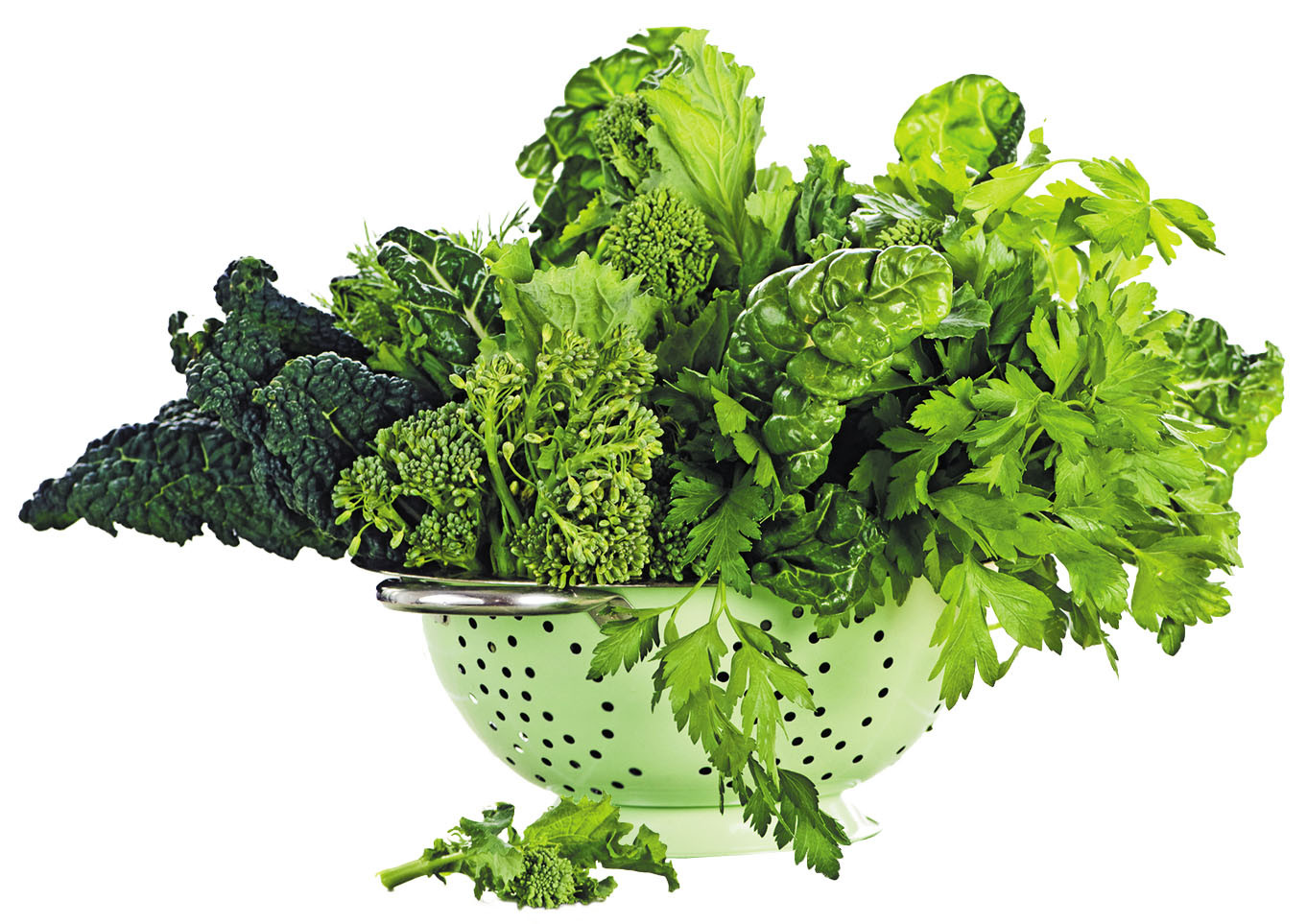
Dark leafy greens such as spinach, kale, and Swiss chard are rich in:
-
Iron
-
Folate (Vitamin B9)
-
Vitamin C
-
Chlorophyll
-
Magnesium
Each of these nutrients plays a role in maintaining healthy blood.
1. Iron: The Core Component of Hemoglobin
Iron is essential for producing hemoglobin — the protein in red blood cells that carries oxygen throughout the body.
Low iron levels may contribute to:
-
Fatigue
-
Pale skin
-
Dizziness
-
Weakness
Spinach contains non-heme iron (plant-based iron). While it is not absorbed as efficiently as animal-based iron, proper pairing can significantly improve absorption.
2. Folate: Crucial for Red Blood Cell Formation
Folate helps produce and maintain new cells — particularly red blood cells. Folate deficiency can lead to certain types of anemia.
Leafy greens are one of the most concentrated natural sources of folate, making them essential for:
-
Pregnant women
-
Individuals with high cell turnover
-
Those recovering from illness
3. Vitamin C: The Absorption Booster
One major reason people underestimate spinach is they consume it incorrectly.
Non-heme iron needs vitamin C to be absorbed effectively.
If leafy greens are paired with:
-
Lemon juice
-
Bell peppers
-
Tomatoes
Iron absorption can increase significantly.
How to Eat It the Right Way


The preparation method matters more than most people realize.
Light Cooking Is Better Than Overcooking
Raw spinach contains oxalates, which can bind to iron and reduce absorption. Light sautéing or blanching helps lower oxalate levels.
Best methods:
-
Quick stir-fry with garlic
-
Light steaming
-
Gentle sauté with olive oil
Avoid:
-
Overboiling (nutrient loss)
-
Heavy cream sauces (excess calories)
Add Healthy Fats
Fat-soluble vitamins (A, K) in leafy greens are better absorbed when consumed with healthy fats.
Great pairings:
-
Olive oil
-
Sesame oil
-
Avocado
-
Nuts and seeds
The sesame seeds in the image are not just decorative — they provide:
-
Healthy fats
-
Calcium
-
Extra minerals
Inside Health = Outside Glow



The phrase “beautiful on the outside” may sound like marketing, but there is physiological logic behind it.
Healthy blood circulation improves:
-
Skin oxygenation
-
Nutrient delivery
-
Collagen support
Leafy greens also contain antioxidants that help combat oxidative stress, which contributes to premature aging.
When internal systems function efficiently, external appearance often reflects it.
Common Myths About Spinach and Blood
Myth 1: Spinach Alone Cures Anemia
Not accurate. Severe anemia requires medical evaluation and sometimes supplementation.
Spinach supports blood health but is not a standalone cure.
Myth 2: More Is Always Better
Excessive consumption of very high-oxalate foods may contribute to kidney stone risk in susceptible individuals.
Balance matters.
Who Benefits Most From Regular Intake
-
Individuals with mild iron deficiency
-
Vegetarians and plant-based eaters
-
Women of reproductive age
-
Those recovering from illness
-
People seeking overall nutrient density
However, individuals with kidney stone history or specific metabolic conditions should moderate intake and consult healthcare providers.
The Bigger Nutritional Picture
No single food determines health. But nutrient-dense foods like leafy greens form the foundation of:
-
Anti-inflammatory diets
-
Heart-healthy eating patterns
-
Longevity-focused nutrition
Populations known for long lifespans consistently consume large amounts of plant-based foods — especially dark greens.
Final Takeaway
Calling leafy greens a “super blood-boosting food” is not entirely hype — but it requires context.
Spinach and similar vegetables provide:
✔ Iron
✔ Folate
✔ Antioxidants
✔ Circulation support
The key is preparation and pairing.
Eat them lightly cooked.
Add vitamin C.
Include healthy fats.
Keep portions balanced.
Health is not built on extremes — it is built on consistent, smart choices.
Sometimes, the most powerful beauty treatment starts in the kitchen.