Ginger has been used for centuries in traditional medicine and modern nutrition alike. Known for its distinctive spicy flavor and powerful bioactive compounds such as gingerol, this root is often recommended for relieving nausea, reducing inflammation, improving digestion, and supporting immunity. From herbal teas to smoothies and supplements, ginger has become a staple in many health-conscious households.
Yet despite its many benefits, ginger is not universally suitable. For individuals with specific medical conditions, excessive consumption may pose risks rather than provide relief. Understanding these limitations can help you make informed dietary decisions.
1. People with Bleeding Disorders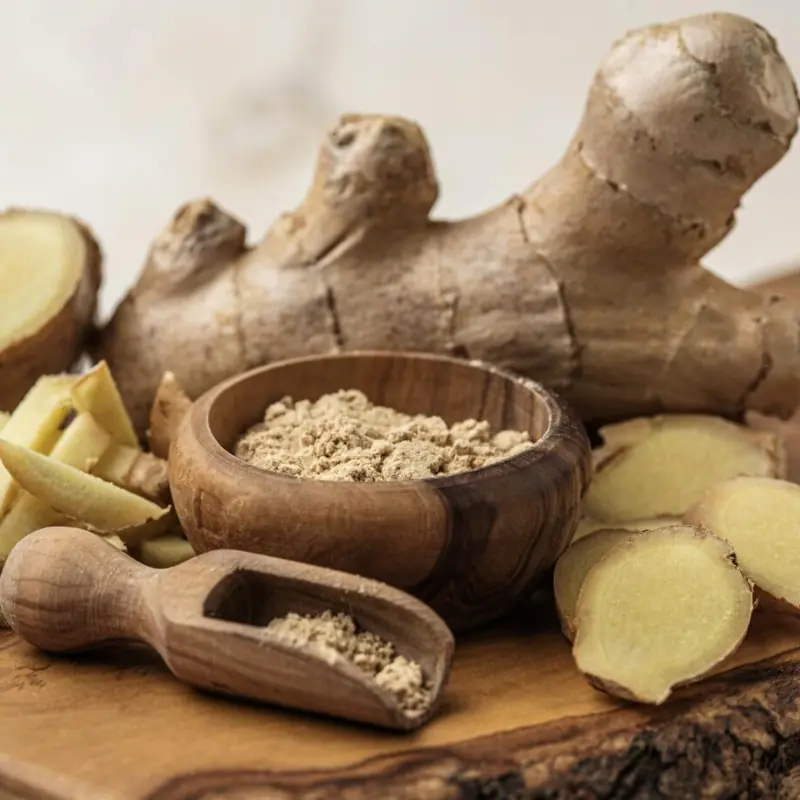
Ginger has natural blood-thinning properties. While this can be beneficial for heart health in some individuals, it may increase bleeding risk in people with clotting disorders such as hemophilia. Ginger can slow blood clotting and potentially prolong bleeding time. Those who bruise easily or experience frequent nosebleeds should consult a healthcare provider before consuming ginger regularly.
Additionally, people taking anticoagulant medications such as warfarin or aspirin should be cautious. Combining ginger with these drugs may amplify their effects, increasing the likelihood of bleeding complications.
2. Individuals with Gallstones
Ginger stimulates bile production, which aids digestion. However, for individuals with gallstones, increased bile flow may trigger discomfort or worsen symptoms. Gallstones form when bile hardens in the gallbladder, and stimulating bile release could lead to pain or complications in sensitive individuals.
If you have been diagnosed with gallstones or gallbladder disease, it’s advisable to speak with a healthcare professional before significantly increasing your ginger intake.
3. People with Low Blood Pressure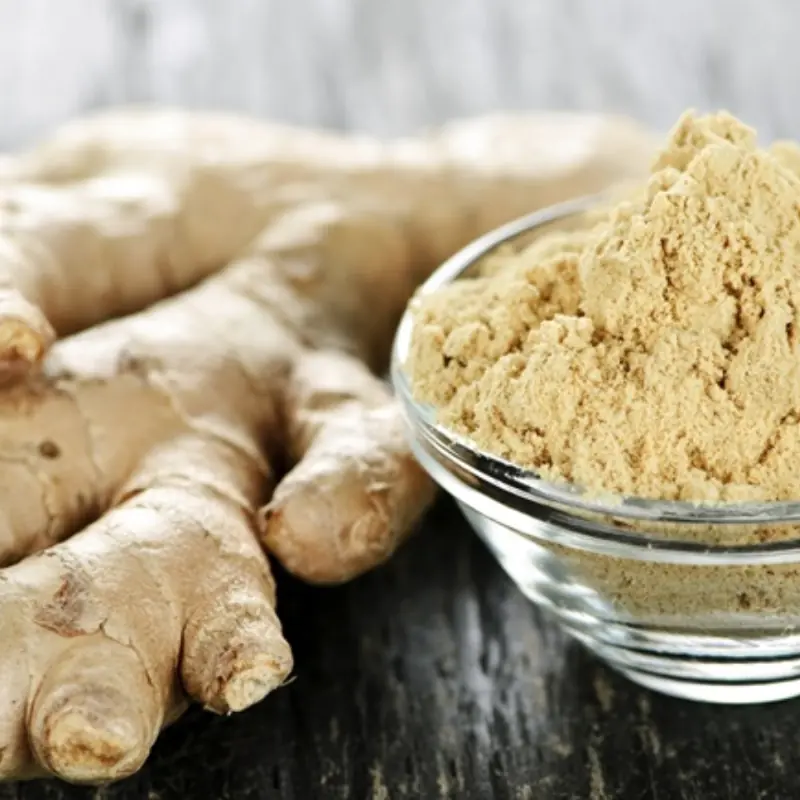
Ginger may help lower blood pressure by relaxing blood vessels and improving circulation. While this is often seen as a benefit for individuals with hypertension, it can be problematic for those who already have low blood pressure (hypotension).
Excessive ginger consumption may cause dizziness, fainting, blurred vision, or weakness in people prone to low blood pressure. If you frequently feel lightheaded or have been diagnosed with hypotension, moderation is key.
4. Diabetics Managing Blood Sugar
Research suggests that ginger may help improve insulin sensitivity and reduce blood sugar levels. However, for people who are already taking diabetes medications, combining those treatments with large amounts of ginger could cause blood sugar to drop too low (hypoglycemia).
Symptoms of low blood sugar include sweating, confusion, shakiness, and fatigue. Individuals with diabetes should monitor their glucose levels carefully if adding ginger supplements or large quantities of fresh ginger to their diet.
5. Pregnant Women (in High Amounts)
Ginger is commonly used to relieve pregnancy-related nausea, especially during the first trimester. In moderate amounts, it is generally considered safe. However, consuming high doses of ginger may increase the risk of bleeding or affect hormone levels.
Some experts advise limiting ginger intake to small, controlled amounts during pregnancy. Pregnant women should consult their healthcare provider before taking concentrated ginger supplements or consuming it in excess.
Moderation Matters
For most healthy adults, ginger can be a valuable addition to a balanced diet. It may support digestion, reduce inflammation, ease muscle soreness, and help fight seasonal illnesses. Drinking ginger tea or adding small amounts of fresh ginger to meals is typically safe for individuals without underlying health concerns.
Problems usually arise when ginger is consumed in large quantities, particularly in supplement form. Concentrated capsules and extracts can contain much higher doses than what you would naturally consume in food. As with many natural remedies, more is not always better.
It is also important to recognize that individual responses vary. What works well for one person may not be appropriate for another, especially when pre-existing medical conditions are involved.
The Bottom Line
Ginger remains one of the most respected natural remedies in both traditional and modern medicine. Its anti-inflammatory, antioxidant, and digestive properties make it a popular choice for promoting overall wellness. However, people with bleeding disorders, gallstones, low blood pressure, diabetes, or certain pregnancy concerns should approach ginger with caution.