Cerebral ischemia occurs when blood flow to the brain is reduced or temporarily blocked. Because brain cells depend on a constant supply of oxygen and nutrients, even brief interruptions can cause damage. If prolonged, cerebral ischemia can lead to stroke, permanent neurological impairment, or life-threatening complications.
Understanding the risks associated with cerebral ischemia — and more importantly, how to reduce those risks — is essential for long-term brain health.
Below are five major dangers linked to cerebral ischemia, along with practical prevention strategies.
1. Ischemic Stroke
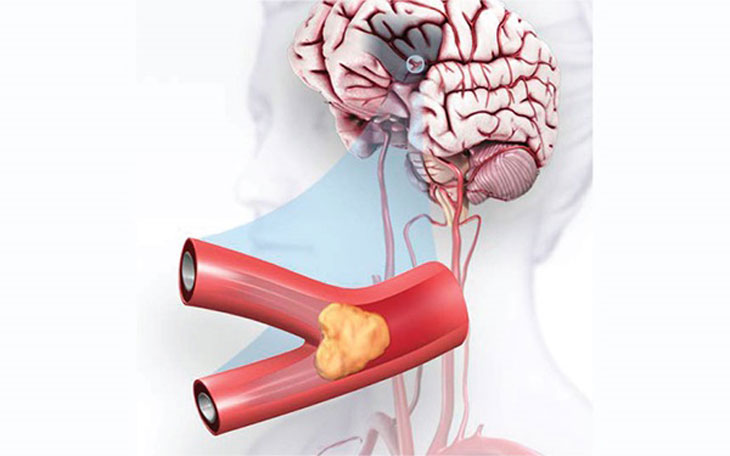
The most serious consequence of cerebral ischemia is ischemic stroke. This occurs when a blood clot or narrowed artery blocks blood flow to a part of the brain.
Without oxygen, brain cells begin to die within minutes. The severity depends on how long the blockage lasts and which area of the brain is affected.
Possible outcomes include:
-
Paralysis on one side of the body
-
Speech impairment
-
Memory loss
-
Loss of coordination
-
Permanent disability
Prevention
-
Control blood pressure
-
Manage cholesterol levels
-
Avoid smoking
-
Exercise regularly
-
Maintain a healthy weight
-
Seek immediate medical care for warning signs such as facial drooping, arm weakness, or speech difficulty
Early intervention significantly reduces long-term damage.
2. Cognitive Impairment and Memory Problems
Even mild or repeated episodes of reduced blood flow can gradually affect brain function. Chronic cerebral ischemia may contribute to:
-
Slower thinking
-
Memory decline
-
Difficulty concentrating
-
Increased risk of vascular dementia
Small, repeated reductions in oxygen supply can accumulate over time, damaging sensitive brain tissue.
Prevention
-
Keep blood sugar levels stable
-
Maintain heart health
-
Follow a balanced diet rich in fruits, vegetables, and whole grains
-
Engage in regular mental stimulation
-
Prioritize adequate sleep
Protecting vascular health helps preserve cognitive function.
3. Motor Dysfunction and Coordination Problems
When blood flow is reduced to areas responsible for movement and coordination, individuals may experience:
-
Muscle weakness
-
Loss of balance
-
Difficulty walking
-
Fine motor skill impairment
If ischemia becomes severe, permanent neurological damage may occur.
Prevention
-
Monitor blood pressure closely
-
Stay physically active to promote circulation
-
Treat heart rhythm disorders (such as atrial fibrillation)
-
Avoid prolonged sedentary behavior
Healthy circulation is critical for motor control.
4. Emotional and Mood Changes
The brain regulates not only movement and memory but also emotional balance. Cerebral ischemia can disrupt areas involved in mood regulation.
Some individuals may develop:
-
Depression
-
Anxiety
-
Irritability
-
Emotional instability
These changes may occur gradually and can significantly impact quality of life.
Prevention
-
Manage cardiovascular risk factors
-
Reduce chronic stress
-
Maintain social connections
-
Seek medical evaluation for sudden mood changes
Addressing physical health often improves emotional well-being.
5. Increased Risk of Recurrent Stroke
Experiencing one ischemic event increases the risk of future episodes. Damaged blood vessels or persistent underlying conditions such as hypertension or diabetes can lead to repeated ischemic attacks.
Recurrent strokes often cause more severe disability than initial events.
Prevention
-
Take prescribed medications consistently (antiplatelets, blood pressure medications, cholesterol-lowering agents if recommended)
-
Follow up regularly with healthcare providers
-
Limit salt intake
-
Avoid excessive alcohol consumption
-
Stop smoking
Long-term management significantly lowers recurrence risk.
Major Risk Factors for Cerebral Ischemia
Several conditions increase the likelihood of developing cerebral ischemia:
-
High blood pressure
-
High cholesterol
-
Diabetes
-
Smoking
-
Obesity
-
Heart disease
-
Sedentary lifestyle
-
Advanced age
Many of these factors are modifiable through lifestyle changes.

Early Warning Signs to Watch For
Recognizing symptoms quickly can prevent severe damage.
Seek immediate medical attention if you notice:
-
Sudden numbness or weakness (especially on one side)
-
Sudden confusion or difficulty speaking
-
Vision disturbances
-
Severe headache without known cause
-
Loss of balance or coordination
Prompt treatment can restore blood flow and limit injury.
Practical Steps to Protect Brain Circulation
Prevention focuses on supporting cardiovascular health:
-
Maintain Healthy Blood Pressure
High blood pressure is the leading risk factor for stroke. -
Adopt a Heart-Healthy Diet
Emphasize vegetables, fruits, lean proteins, whole grains, and healthy fats. -
Exercise Regularly
At least 150 minutes of moderate activity per week supports vascular health. -
Manage Blood Sugar
Proper diabetes control protects blood vessels. -
Quit Smoking
Smoking damages arteries and increases clot formation. -
Limit Alcohol
Excessive alcohol raises blood pressure and stroke risk. -
Maintain Healthy Weight
Reducing excess weight lowers cardiovascular strain.

Final Thoughts
Cerebral ischemia is a serious condition with potentially life-altering consequences. The five major risks — stroke, cognitive decline, motor impairment, mood disturbances, and recurrent events — highlight the importance of prevention.
The encouraging news is that many risk factors are controllable. By prioritizing heart health, managing blood pressure and blood sugar, staying physically active, and seeking medical care when needed, you can significantly reduce the risk of cerebral ischemia.
Brain health is closely tied to vascular health. Protecting your blood vessels today helps safeguard your cognitive function and independence tomorrow.