5 Potential Side Effects of Eating Avocados You Should Know
Avocados have become one of the most beloved foods around the world, enjoyed on toast, in burritos, as a dip, or even used in skin and hair care. Their creamy texture, mild flavor, and impressive nutritional profile make them a staple in many kitchens. However, while most people consume avocados without any problems, there are some potential side effects that not everyone is aware of. These effects may occur not only from eating avocados but also from using avocado-based products on the skin.
Below are five possible risks to keep in mind when incorporating avocados into your diet or beauty routine.
1. Skin Irritation
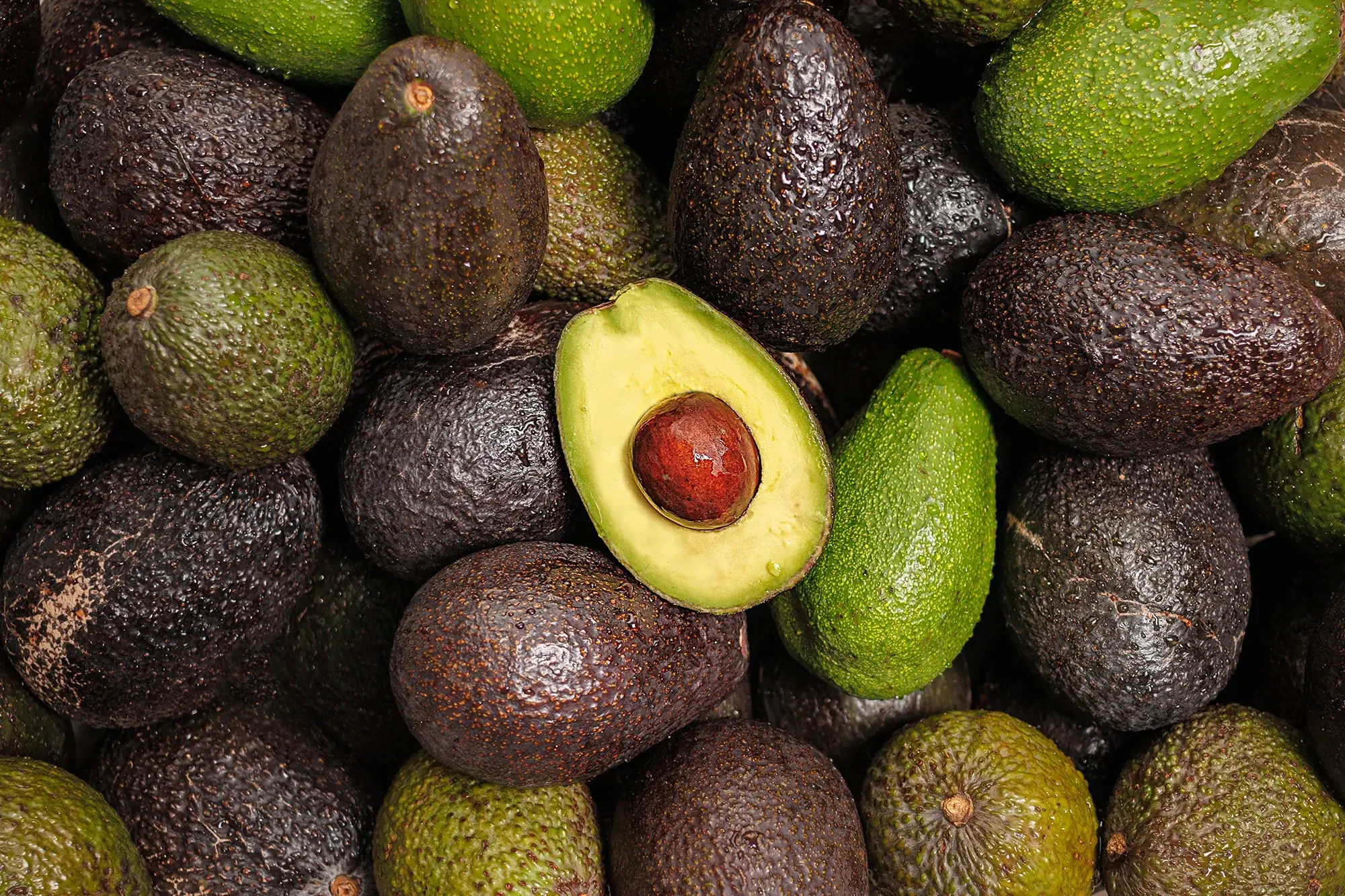
Some individuals may experience skin irritation when using avocado oil or avocado-based skincare products. Although avocado oil is generally considered safe and well tolerated, certain people may develop itching, redness, or mild irritation — especially when it is combined with ingredients such as vitamin B12.
To minimize risk, it is advisable to perform a patch test on a small area of skin before applying any new product more broadly.
2. Latex Allergy (Cross-Reactivity)
People who are allergic to natural latex may also react to avocados due to a phenomenon known as cross-reactivity. Proteins found in latex and avocados can be structurally similar, potentially triggering allergic responses in sensitive individuals.
If you have a known latex allergy, it is important to approach avocados with caution and monitor for symptoms such as itching, swelling, or difficulty breathing.
3. Stomach Allergies in Infants and Children
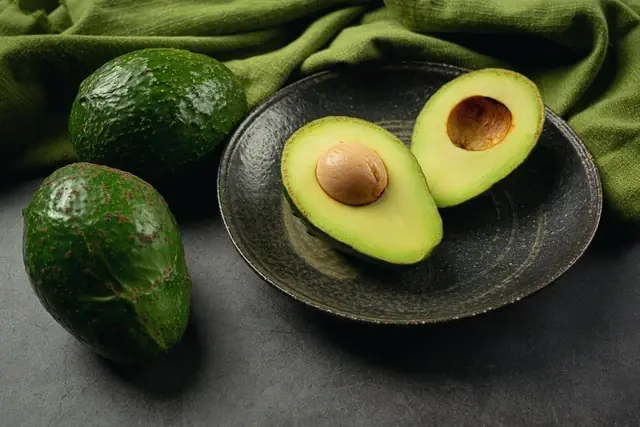
Although avocados are often introduced as a nutritious first food for babies, some infants and young children may experience digestive reactions. This is particularly true for children who already have allergies to foods such as milk or oats.
Symptoms may include vomiting or diarrhea. For this reason, parents should introduce new foods gradually and observe closely for any signs of intolerance.
4. Interaction with Certain Medications
Avocados may interact with specific medications, particularly blood-thinning drugs such as warfarin. Some research suggests that avocados can interfere with the effectiveness of these medications, potentially increasing the risk of complications.
Individuals taking prescription medications should consult their healthcare provider to determine an appropriate level of avocado consumption.
5. Pregnancy and Breastfeeding Considerations
While avocados are nutrient-dense and generally safe when eaten in normal food amounts, there is limited research on the effects of consuming large quantities during pregnancy or breastfeeding. Some evidence suggests that excessive intake may reduce milk production in breastfeeding women.
Expectant or nursing mothers are encouraged to consume avocados in moderation and seek medical advice if they have specific dietary concerns.

Conclusion
Avocados are a versatile and nutrient-rich food enjoyed by millions of people worldwide. However, like any food, they may not be suitable for everyone. Certain individuals may experience allergic reactions, digestive issues, or medication interactions.
If you notice any adverse effects after eating or using avocado products, consider reducing your intake and consult a healthcare professional for personalized guidance.