The Letter My Mother-in-Law Never Meant for Me to Read Changed Everything
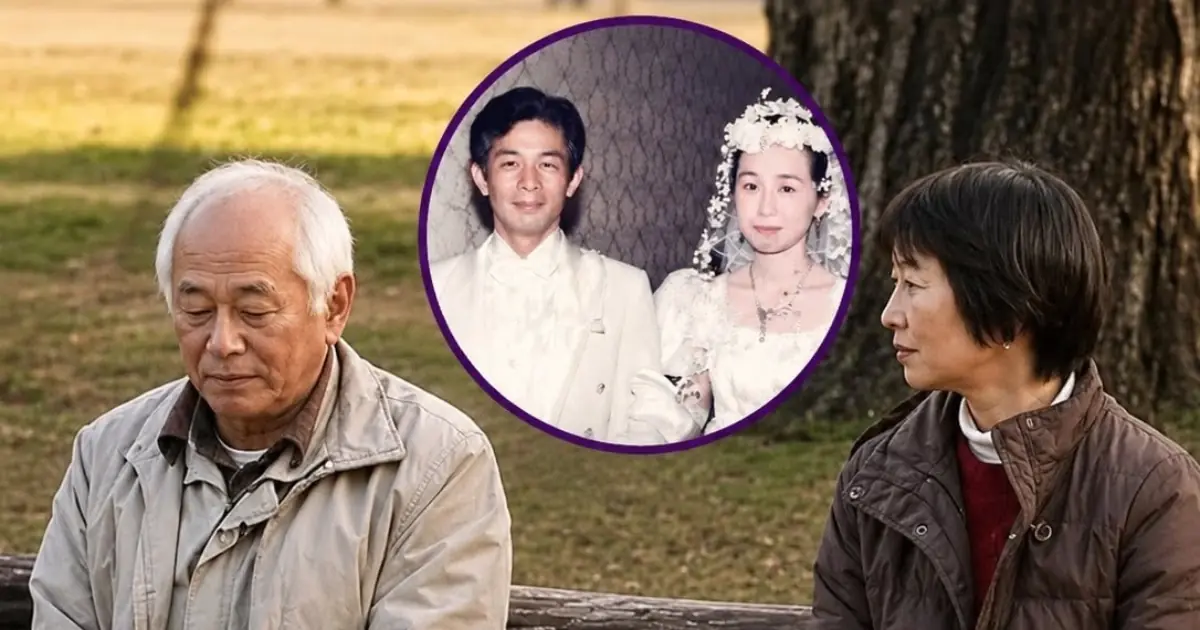
In the quiet, orderly suburbs of Indianapolis, there is a specific kind of silence that exists between people who are trying too hard to be polite. For four years, that silence was the foundation of my relationship with my mother-in-law, Martha.
I married her son, David, two years after his first marriage ended in a storm of heartbreak and legal fees. I was the "new beginning," the woman who helped him rebuild his life, but in Martha’s eyes, I always felt like a temporary tenant. Our interactions were a masterclass in Midwestern decorum: we discussed the weather, the success of her rose garden, and the local school board elections. But whenever the conversation drifted toward the heart—toward family, legacy, or the future—Martha would subtly steer the ship back toward the safety of the shallow water.
She often made small, stinging comments about "the way things used to be" or "how much the house has changed." I took these as jabs at my presence, as proof that I was an interloper in a story she preferred in its original draft.
The tension reached a peak on a Tuesday afternoon in September. David was at work, and I had stopped by Martha’s house to drop off some groceries she had mentioned needing. She was out at a bridge club meeting, but she’d left me a key to put the perishables away.
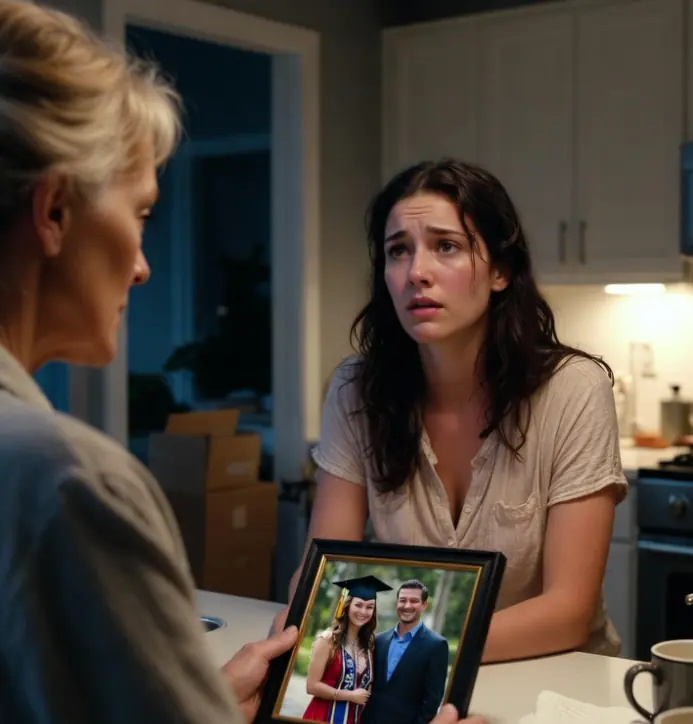
As I was clearing a space on her mahogany desk to set down a bag of apples, I accidentally knocked over a small, lacquered box. A dozen envelopes spilled out. As I knelt to pick them up, my eyes caught a glimpse of a handwritten letter, the ink faded but the script unmistakable. It was Martha’s handwriting—elegant, sharp, and slanted. It was addressed to her sister, Helen, dated just months after David and I had moved in together.
I shouldn't have read it. I knew the privacy I was invading, but my name, Clara, jumped off the page, and my heart won the argument against my conscience.
"I look at Clara and I see a woman who is so capable, so vibrant," the letter began. "But Helen, I am paralyzed when she is in the room. Every time I see them together, I feel a cold shiver of memory. I remember how happy David looked the first time, only for it to vanish overnight. I am so afraid that if I let myself love her, if I let her truly become a daughter to me, and it happens again, I won't have the strength to survive the loss. I don't know how to bridge the gap. I make these silly comments about the past because the past is the only place I feel I still have a right to stand. I fear she sees me as a bitter old woman, when really, I am just a frightened one who doesn't know how to say 'welcome home' without crying."
I sat on the floor of the study, the letter trembling in my hand. The "jabs" weren't weapons; they were shields. The distance wasn't a lack of acceptance; it was a form of emotional self-preservation. I had spent four years resenting her for not letting me in, never realizing she was standing on the other side of the door, too afraid to turn the handle.
I tucked the letter back into the box exactly as I’d found it. I finished putting the groceries away, my mind spinning. I didn't feel angry. I felt a profound, heavy empathy. I realized that Martha wasn't mourning David’s ex-wife; she was mourning her own sense of security.
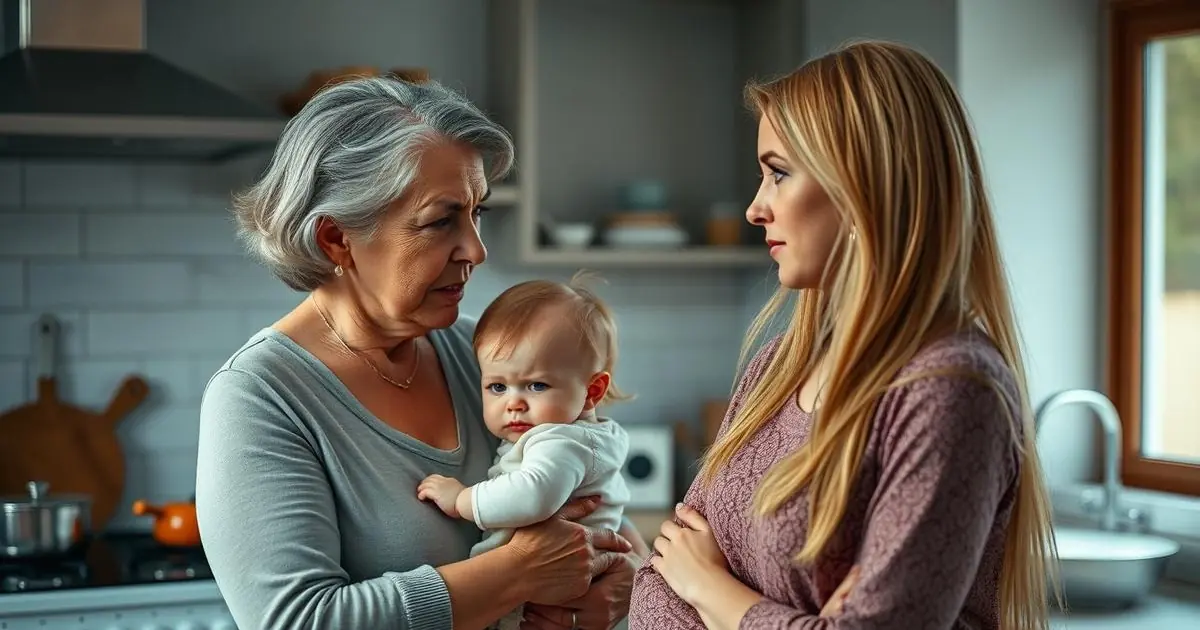
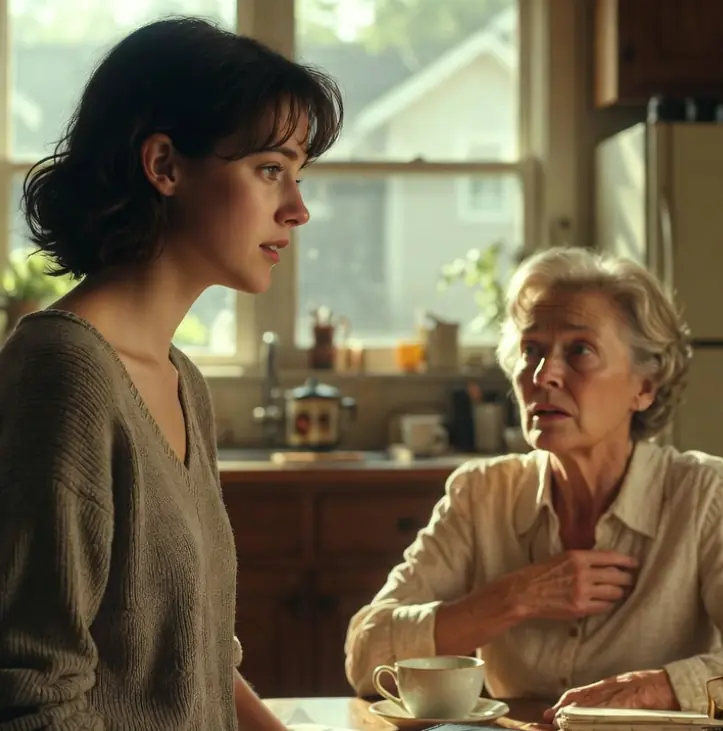
When Martha returned thirty minutes later, she found me sitting at her kitchen table. Usually, I would have made an excuse to leave quickly, but today, I stayed.
"Clara! I didn't realize you were still here," she said, her voice immediately adopting that "polite guest" tone. "Thank you for the groceries. I’ll just get these settled."
"Martha," I said, my voice steadier than I felt. "Can we talk? Not about the garden or the weather. Just... talk."
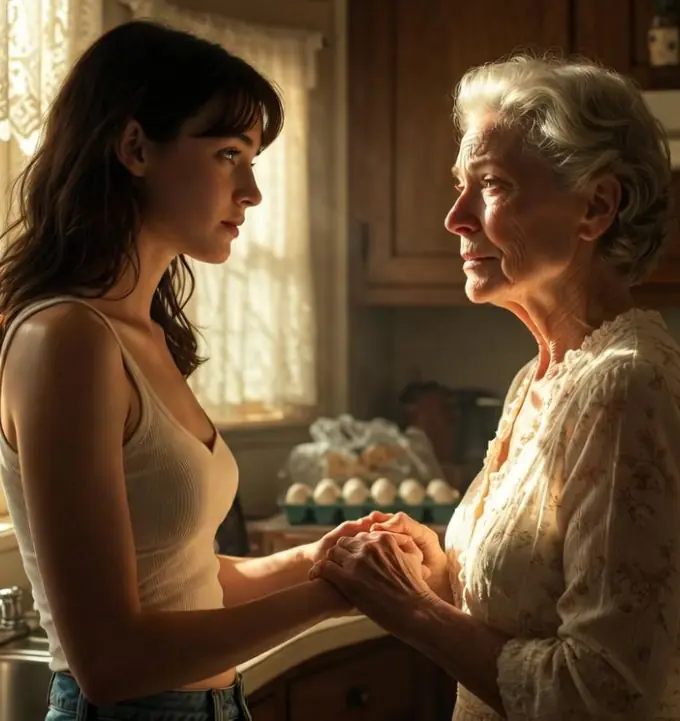
Martha paused, her hand hovering over a carton of eggs. She looked at me, her eyes flickering with a momentary flash of the fear I’d read about. "Is David okay? Did something happen?"
"David is fine. But I’m not," I said softly. I stood up and walked over to her. I didn't confront her about the letter. Instead, I chose the only path that could bridge the gap: vulnerability. "I’ve spent four years feeling like I was failing a test I didn't have the study guide for. I’ve been so afraid that you didn't like me, Martha. I’ve been so focused on proving I belong here that I think I’ve been holding my breath every time we’re together."
Martha’s shoulders dropped. The rigid "librarian" posture she usually maintained seemed to deflate. "Clara, I..."
"And I realized today," I continued, tears beginning to prickle my eyes, "that maybe you’ve been holding your breath, too. I don't want to be a reminder of the things that broke. I want to be someone you can lean on. I don't want to replace anyone’s memories, but I’d really like to start making some new ones with you. If you’re afraid, Martha... you don't have to be afraid alone."
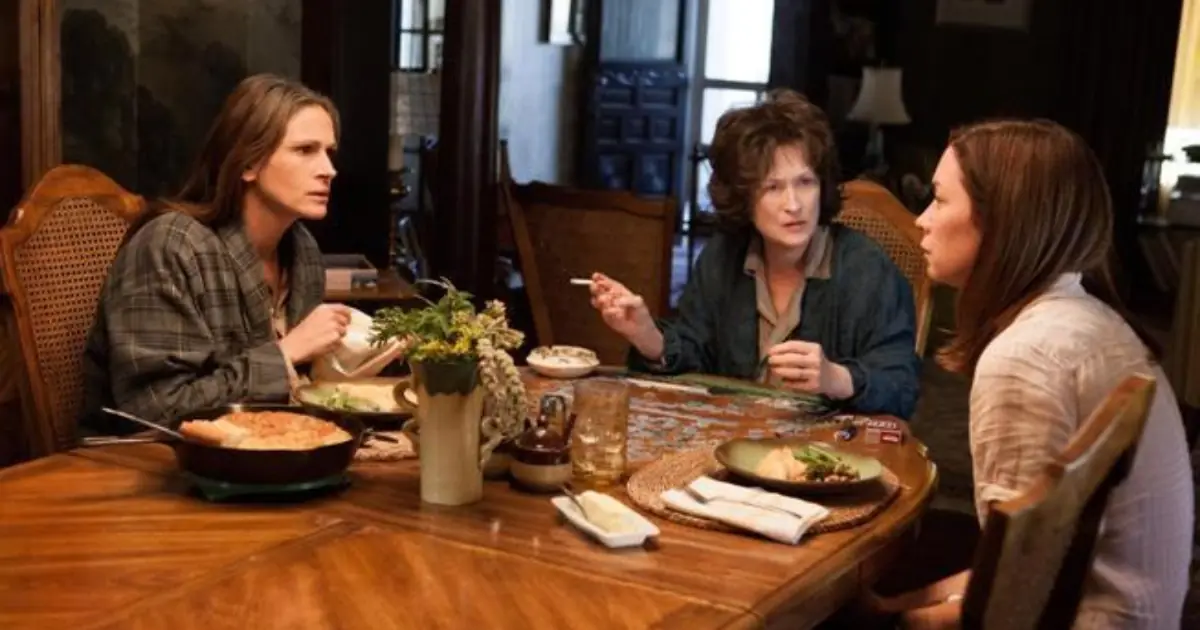
The silence in the kitchen wasn't heavy anymore; it was fragile, like thin glass. Then, Martha did something she had never done. She reached out and took my hands. Her palms were dry and warm, and she was shaking.
"I am so sorry," she whispered, a single tear escaping and tracing a path through the soft wrinkles of her cheek. "I’ve been a foolish woman, Clara. I thought if I kept my heart in a box, it couldn't be broken again. But I didn't realize I was locking you out in the cold while I did it."
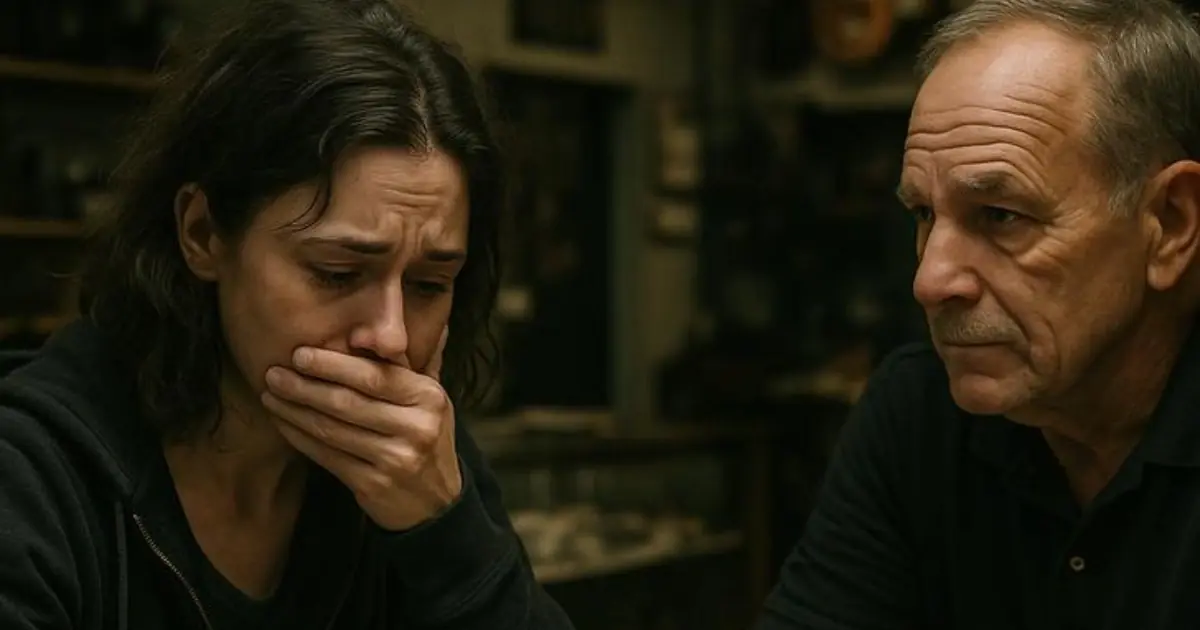
We sat at that table and cried. Not the dramatic, loud crying of a movie, but the quiet, relieved sobbing of two people who had finally dropped their armor. She told me about the night David’s first marriage ended—how she had sat in this very kitchen watching him fall apart, and how she’d promised herself she’d never let her heart be that exposed again. I told her about my own fears of not being "enough" for a family that had already seen so much.
"I loved him first," she said, squeezing my hand. "But I think you might love him best. And I see that now."
That afternoon was the end of the Miller Cold War. We didn't solve everything in an hour, but we cleared the ground for a new foundation. We established a new rule: no more "polite" silence. If something hurt, we would say it. If we were afraid, we would share it.
We are the Millers, and our family story is no longer a collection of separate chapters. It’s a messy, honest, handwritten book that we’re writing together. Martha still mentions the past sometimes, but now she does it with a smile, sharing stories with me as a partner rather than using them as a barrier. And I’ve stopped looking for hidden meanings in her words.
The letter I was never meant to read was the greatest gift I’ve ever received. It taught me that behind every "difficult" person is usually a person who is simply protecting a wound.
Love doesn't require us to have a perfect history. It just requires us to be brave enough to admit that we’re all a little bit frightened of the dark, and that it’s always easier to find the light when you’re holding someone’s hand.
As I left her house that day, Martha hugged me—a real, lingering hug.
"See you Sunday, Clara," she said.
"See you Sunday, Mom," I replied.
The silence was gone. And for the first time in four years, I could finally breathe.