Bananas are one of the most popular fruits in the world. They are convenient, affordable, and packed with nutrients such as potassium, vitamin B6, vitamin C, and dietary fiber. Because of their natural sweetness and energy-boosting carbohydrates, bananas are often recommended as a healthy snack for people of all ages.
However, despite their many benefits, bananas are not always suitable for everyone in every situation. Like many foods, consuming bananas at the wrong time or under certain health conditions may cause discomfort or even negatively affect your health. Understanding when it is better to avoid bananas can help you make smarter dietary choices and maintain overall well-being.
Below are seven situations when you may want to limit or avoid eating bananas to protect your health.
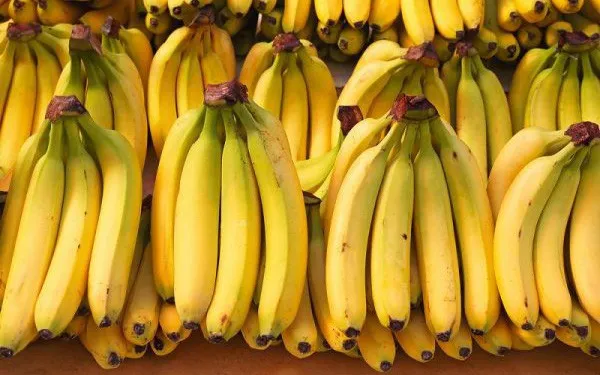
1. When You Have High Blood Sugar or Poorly Controlled Diabetes
Bananas contain natural sugars, including glucose, fructose, and sucrose. While these sugars are natural, they can still raise blood glucose levels, especially if eaten in large quantities.
People with diabetes or those struggling with blood sugar control should be cautious about consuming ripe bananas. Very ripe bananas have a higher glycemic index, meaning they can raise blood sugar more quickly.
This does not mean bananas must be completely avoided. Instead, people with diabetes may benefit from:
-
Choosing slightly less ripe bananas
-
Eating smaller portions
-
Pairing bananas with protein or healthy fats
These strategies may help slow the absorption of sugar into the bloodstream.
2. When You Have Kidney Problems
Bananas are well known for their high potassium content. Potassium is an essential mineral that supports heart function, muscle contraction, and nerve signals.
However, for individuals with kidney disease, the body may struggle to remove excess potassium from the bloodstream. When potassium levels become too high, it can lead to a condition called hyperkalemia.
High potassium levels may cause symptoms such as:
-
Muscle weakness
-
Irregular heartbeat
-
Fatigue
-
Nausea
People with kidney conditions are often advised by doctors to monitor their potassium intake carefully, which may include limiting foods like bananas.
3. When You Are Experiencing Digestive Issues
Although bananas are generally easy to digest, some people may experience digestive discomfort after eating them.
Bananas contain fermentable carbohydrates that can cause bloating or gas in sensitive individuals, particularly those with irritable bowel syndrome (IBS).
Additionally, very ripe bananas may worsen symptoms such as:
-
Bloating
-
Gas
-
Stomach discomfort
People with digestive sensitivities may want to observe how their body reacts and adjust their intake accordingly.

4. When You Have a Latex Allergy
A lesser-known issue related to bananas is latex-fruit syndrome. Some individuals who are allergic to latex may also react to certain fruits, including bananas, avocados, and kiwis.
This occurs because these foods contain proteins similar to those found in natural latex.
Symptoms may include:
-
Itchy mouth or throat
-
Swelling
-
Skin irritation
-
Allergic reactions
Anyone with a latex allergy should consult a healthcare professional before consuming bananas regularly.
5. When You Eat Them on an Empty Stomach
Some nutrition experts suggest that eating bananas on an empty stomach may not always be ideal. Bananas contain a relatively high amount of natural sugar and magnesium.
When eaten alone on an empty stomach, these nutrients may temporarily disrupt the balance of minerals in the bloodstream, particularly calcium and magnesium.
In addition, the quick release of natural sugars may lead to:
-
A rapid energy spike
-
Followed by a sudden drop in energy
Pairing bananas with foods like yogurt, nuts, or oatmeal may help stabilize energy levels and provide a more balanced meal.
6. When You Are Trying to Lose Weight Quickly
Bananas are nutritious, but they are also relatively high in carbohydrates compared to some other fruits. A medium banana contains around 100 calories and about 27 grams of carbohydrates.
For individuals following very strict calorie-controlled diets or low-carbohydrate diets, eating too many bananas may slow weight-loss progress.
However, this does not mean bananas are unhealthy. When eaten in moderation, they can still be part of a balanced diet that supports weight management.
7. When Bananas Are Overripe or Spoiled
Finally, bananas that are excessively ripe or spoiled should be avoided. As bananas become overripe, their sugar content increases and the fruit may begin to ferment.
Spoiled bananas may develop:
-
A strong odor
-
Unusual texture
-
Mold growth
Consuming spoiled fruit can lead to digestive discomfort and potential foodborne illness.
Always check bananas before eating them and store them properly to maintain freshness.
The Importance of Balance
Bananas are widely recognized as a healthy fruit with many nutritional benefits. They provide essential vitamins, minerals, and natural energy that support daily activities.
For most people, bananas can be safely enjoyed as part of a balanced diet. However, individual health conditions and dietary goals may influence how often and when bananas should be consumed.
Being aware of situations where bananas may not be the best choice allows individuals to make informed decisions about their diet.

A Healthy Fruit When Consumed Wisely
In conclusion, bananas remain a valuable and nutritious food for many people. They support heart health, digestion, and energy levels while providing important nutrients.
However, certain situations—such as uncontrolled blood sugar, kidney disease, digestive sensitivities, allergies, or spoiled fruit—may require caution.
By understanding these seven situations, individuals can enjoy bananas in a way that supports their health rather than harming it. As with most foods, moderation and awareness are the keys to maintaining a healthy diet.