How Your Daily Eating Habits Could Expose You to Liver Fluke Infection
Many people pay attention to calories, sugar, and fat in their diets—but few realize that certain eating habits may expose them to dangerous parasites. One of the lesser-known risks comes from liver flukes, parasitic flatworms that can infect the liver and bile ducts.
Health experts warn that the way food is prepared and consumed can significantly increase the risk of infection. In many cases, people become infected simply through common dietary habits.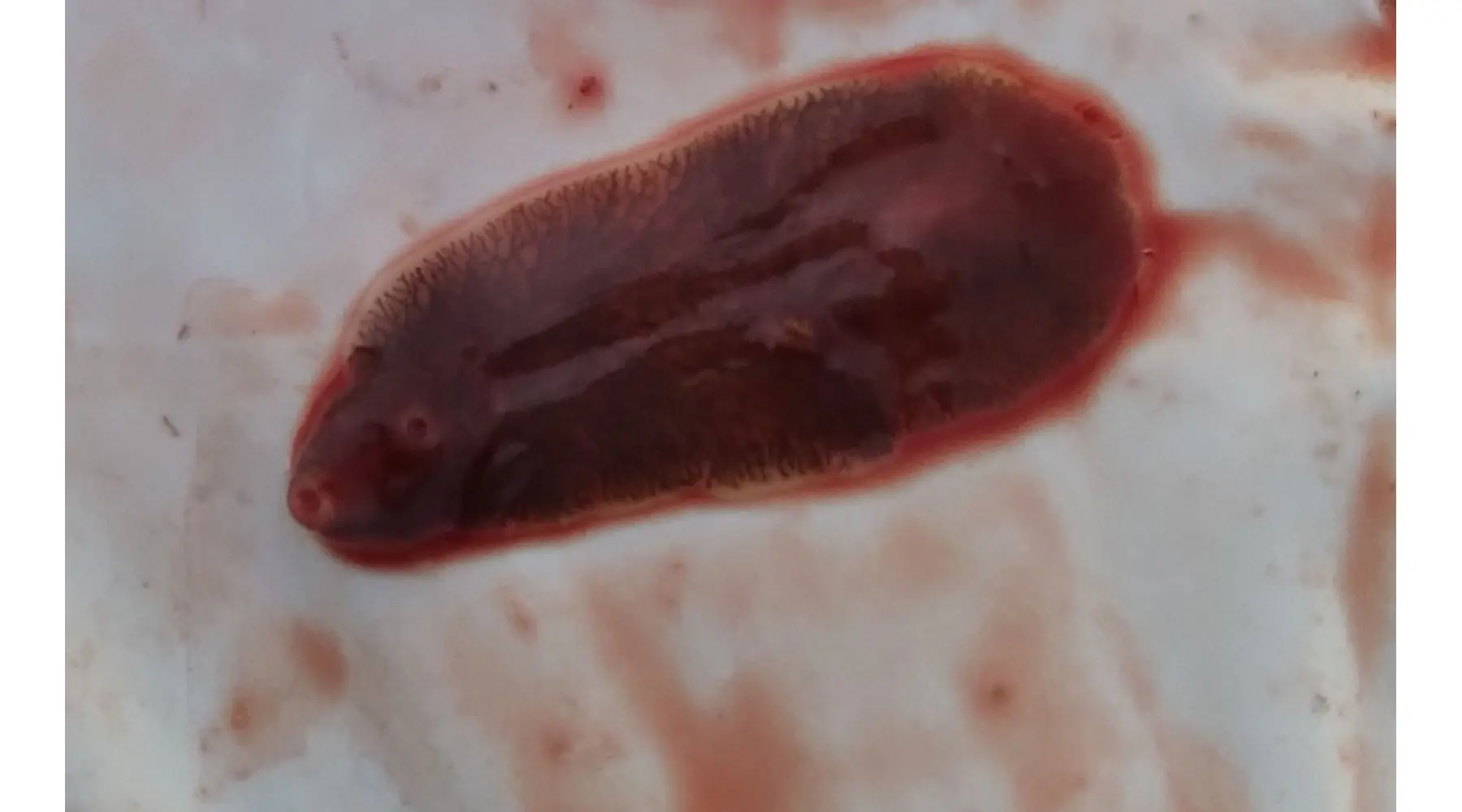
What Are Liver Flukes?
Liver flukes are parasitic worms that live in the liver and bile ducts of humans and animals. Some of the most well-known species that infect humans include Clonorchis sinensis, Opisthorchis viverrini, and Fasciola hepatica.
People usually become infected after eating contaminated food containing the parasite’s larvae.
According to the World Health Organization, millions of people worldwide are infected with liver flukes, particularly in parts of Asia where certain traditional dishes involve raw or undercooked fish.
Eating Raw or Undercooked Freshwater Fish
One of the most common ways people become infected with liver flukes is by eating raw or undercooked freshwater fish.
Parasite larvae can live inside fish tissues. When fish is not properly cooked, the larvae may survive and enter the human digestive system. From there, they can travel to the liver and bile ducts.
Traditional dishes such as raw fish salads or lightly fermented fish may carry this risk if the fish has not been properly treated or cooked.
Health authorities such as the Centers for Disease Control and Prevention advise thoroughly cooking freshwater fish to eliminate parasites.
Eating Raw Aquatic Plants
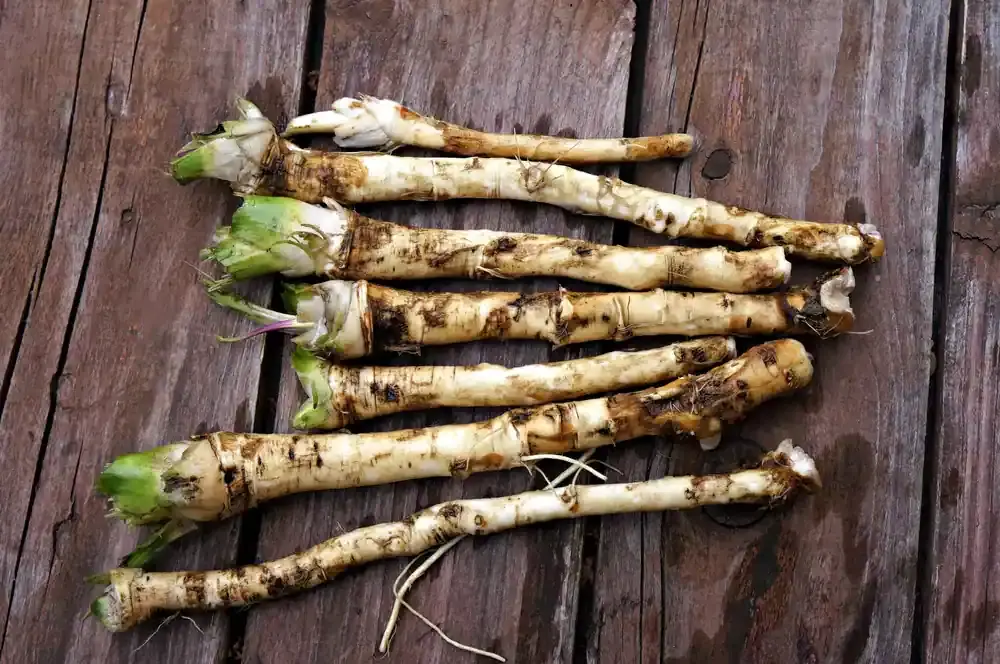
Certain aquatic plants can also carry liver fluke parasites.
For example, infection with Fasciola hepatica can occur when people consume raw water plants that grow in contaminated water.
Examples include:
-
Watercress
-
Wild aquatic herbs
-
Plants grown in untreated freshwater
Washing alone may not remove all parasite larvae if the plants are contaminated.
Poor Food Preparation Practices
Even if food itself is safe, improper food preparation can increase the risk of parasite exposure.
Common risk factors include:
-
Using the same cutting board for raw fish and other foods
-
Not washing kitchen utensils properly
-
Cross-contamination between raw and cooked ingredients
Food safety specialists recommend keeping raw seafood separate from other foods to reduce the risk of contamination.
Consuming Improperly Fermented or Pickled Fish
Some traditional dishes involve fermenting, salting, or pickling fish. While these methods may preserve food, they do not always kill parasite larvae.
Research has shown that liver fluke larvae can survive certain fermentation processes if the conditions are not strong enough to destroy them.
According to experts at the Food and Agriculture Organization, proper cooking remains the most reliable method to eliminate parasites in fish.
Symptoms of Liver Fluke Infection
In some cases, liver fluke infections may not cause symptoms at first. However, long-term infection can lead to serious health problems.
Possible symptoms include:
-
Abdominal pain
-
Fatigue
-
Nausea
-
Fever
-
Digestive problems
Over time, the parasites can damage the bile ducts and liver.
The World Health Organization warns that chronic infection with certain liver flukes has been linked to bile duct cancer in some regions.
How to Reduce Your Risk
Fortunately, liver fluke infection can often be prevented through safe food practices.
Experts recommend:
-
Cooking freshwater fish thoroughly
-
Avoiding raw or undercooked fish dishes
-
Washing vegetables and aquatic plants carefully
-
Preventing cross-contamination in the kitchen
-
Buying food from trusted sources
These simple steps can significantly reduce the risk of parasite exposure.
The Bottom Line
Your daily eating habits may play a bigger role in parasite exposure than you might think. Consuming raw or poorly prepared fish, contaminated aquatic plants, or improperly fermented foods can increase the risk of liver fluke infection.
While these infections are preventable, awareness is key. Practicing safe food preparation and cooking habits can help protect your liver and your overall health.
Sources
-
World Health Organization – Liver fluke infection information
-
Centers for Disease Control and Prevention – Parasites and food safety
-
Food and Agriculture Organization – Parasites in food products