Water is essential for life. It plays a vital role in maintaining body temperature, transporting nutrients, removing waste, and supporting nearly every system in the body. Because of these benefits, many people are encouraged to drink enough water throughout the day to stay hydrated.
However, while drinking water is important, how and when we drink water can also matter. Certain habits related to water consumption may not be as beneficial as people assume. In some cases, improper drinking habits can lead to discomfort or interfere with the body’s natural balance.
Below are 5 surprising water-drinking habits that may negatively affect health if practiced regularly.
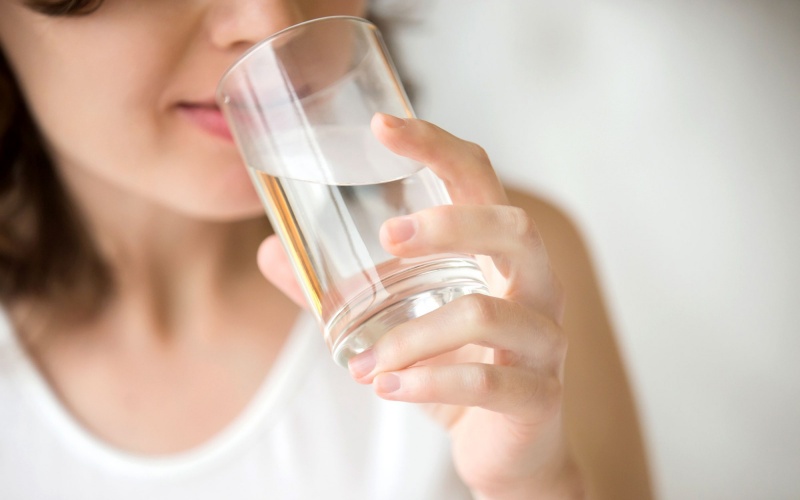
1. Drinking Too Much Water Too Quickly
Many people believe that the more water they drink, the healthier they will be. While hydration is important, drinking excessive amounts of water in a short period of time can actually be harmful.
When the body receives more water than it can process, the balance of electrolytes—especially sodium—may become diluted. This condition is known as water intoxication or hyponatremia, which can affect normal cell function.
Although this situation is rare, it highlights the importance of drinking water gradually throughout the day rather than consuming large amounts all at once.
2. Drinking Very Cold Water Immediately After Meals
Some people enjoy drinking ice-cold water immediately after eating. While this habit may feel refreshing, very cold water may sometimes affect digestion.
Cold temperatures can cause certain digestive enzymes to become less active for a short period of time. In addition, extremely cold drinks may temporarily constrict blood vessels in the digestive tract.
For some individuals, this may lead to mild discomfort such as:
-
Bloating
-
Slower digestion
-
Stomach cramps
Drinking water at a moderate temperature may help support smoother digestion.
3. Drinking Water Only When You Feel Very Thirsty
Thirst is the body’s natural signal that it needs hydration. However, relying solely on thirst may not always provide enough water, especially during hot weather or physical activity.
By the time a person feels very thirsty, the body may already be slightly dehydrated. Mild dehydration can lead to symptoms such as:
-
Fatigue
-
Headaches
-
Reduced concentration
It is generally recommended to drink water regularly throughout the day rather than waiting until thirst becomes intense.

4. Drinking Too Much Water Before Bed
Hydration is important at all times of the day, but drinking large amounts of water shortly before bedtime may disrupt sleep.
When the body processes excess fluids during the night, it may trigger frequent trips to the bathroom, interrupting sleep cycles. Poor sleep quality can affect energy levels, mood, and overall health.
To maintain good sleep patterns, it may be helpful to drink most daily fluids earlier in the day and reduce intake close to bedtime.
5. Reusing Unclean Water Bottles
Many people carry reusable water bottles to stay hydrated throughout the day. While this habit is environmentally friendly, failing to clean bottles regularly may lead to bacterial growth.
Moist environments inside bottles can allow bacteria to multiply, especially if the bottle is not washed thoroughly.
To reduce this risk, reusable water bottles should be washed regularly with warm water and soap and allowed to dry completely between uses.
Finding a Healthy Balance With Water
Hydration is essential, but maintaining a balanced approach to drinking water is equally important.
Some helpful habits include:
-
Drinking water consistently throughout the day
-
Listening to the body’s signals for thirst
-
Choosing moderate water temperatures
-
Maintaining clean drinking containers
These simple practices can support healthy hydration without unnecessary discomfort.
How Much Water Do People Generally Need?
Water needs vary depending on factors such as:
-
Age
-
Physical activity level
-
Climate
-
Overall health
Rather than focusing on a single fixed amount, many health experts recommend paying attention to hydration signals and maintaining steady water intake throughout the day.
Foods such as fruits and vegetables also contribute to hydration.
Final Thoughts
Water is one of the most important elements for maintaining good health, but drinking habits matter just as much as the amount consumed. Habits such as drinking excessive water too quickly, consuming very cold water after meals, waiting until extreme thirst, drinking large amounts before bed, or using unclean bottles may negatively affect hydration and comfort.
By developing mindful water-drinking habits and maintaining a balanced approach, individuals can enjoy the full benefits of proper hydration while supporting overall wellbeing.