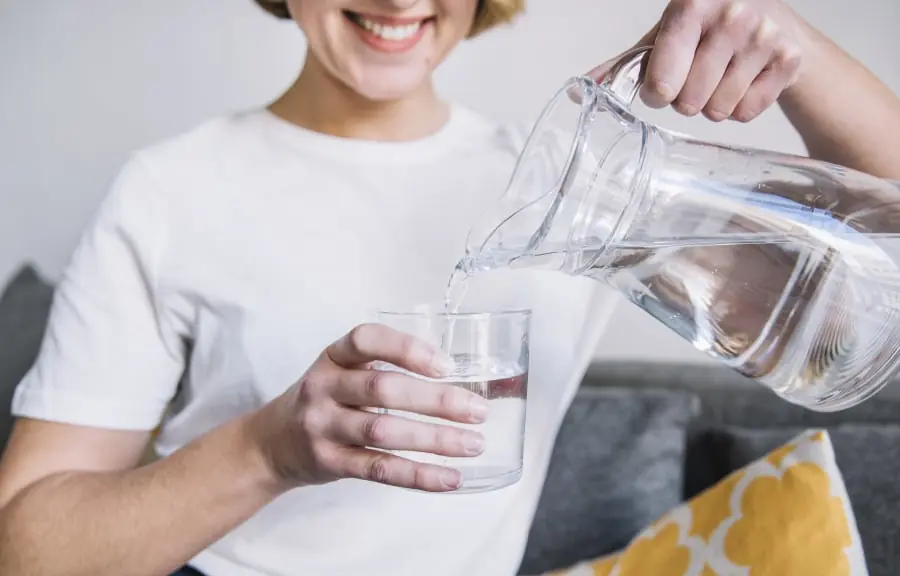
5 Surprising Water-Drinking Habits That May Harm Your Health
5 Common Water-Drinking Mistakes Many People Don’t Know About
Health 16/03/2026 10:25
For years, health experts have emphasized the importance of drinking enough water. Now, emerging research suggests that proper hydration may do more than simply quench thirst—it could also help slow biological aging and reduce the risk of serious diseases.
A growing body of scientific evidence indicates that staying well-hydrated may be linked to longer life and better overall health.
A major study conducted by researchers at the U.S. National Institutes of Health (NIH) examined the long-term health data of more than 11,000 adults over a period of about 30 years. The research analyzed participants from the large Atherosclerosis Risk in Communities (ARIC) study to explore the connection between hydration and aging.
Instead of directly measuring how much water people drank, scientists analyzed serum sodium levels in the blood, which rise when the body is not getting enough fluids. Higher sodium levels therefore serve as a reliable indicator of lower hydration.
The findings were striking:
People with higher serum sodium levels were more likely to show signs of accelerated biological aging.
They had a greater risk of developing chronic diseases such as heart failure, stroke, diabetes, and dementia.
They were also more likely to die earlier compared to those who maintained healthier hydration levels.
In particular, adults whose sodium levels were above 144 mmol/L had about a 21% higher risk of premature death than those in the optimal range.
Scientists believe hydration affects several biological processes that are closely related to aging.
Water plays a key role in:
Regulating blood pressure
Maintaining heart and blood vessel function
Supporting kidney health
Transporting nutrients and oxygen through the body
Removing toxins and metabolic waste
When the body is chronically under-hydrated, these processes may become less efficient. Over time, this can contribute to inflammation, cardiovascular strain, and metabolic problems—all of which are associated with aging and chronic disease.
According to NIH researcher Dr. Natalia Dmitrieva, proper hydration may help “slow down aging and prolong a disease-free life.”
Some media headlines claim that drinking eight glasses of water per day could extend life by up to 15 years. While hydration is clearly beneficial, scientists caution that the research does not prove a direct cause-and-effect relationship.
The study showed associations, meaning people who were better hydrated tended to be healthier and live longer—but other lifestyle factors (diet, exercise, sleep, etc.) may also play a role.
More clinical trials are needed to determine exactly how hydration affects lifespan.
The ideal amount of daily fluids varies depending on factors such as age, body size, climate, and activity level. However, general health guidelines suggest:
Men: about 8–12 cups of fluids per day
Women: about 6–9 cups per day
These fluids can come from water, tea, coffee, fruits, vegetables, and other beverages.
A simple indicator of hydration is urine color—pale yellow usually suggests adequate hydration.
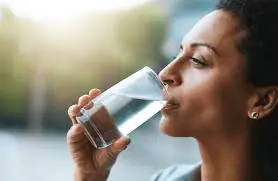
While drinking more water is not a magical anti-aging cure, scientific research increasingly shows that proper hydration plays an important role in long-term health.
Maintaining good hydration may help:
Slow biological aging
Reduce the risk of chronic diseases
Support heart and metabolic health
Potentially extend healthy lifespan
In other words, one of the simplest habits—drinking enough fluids every day—might be one of the easiest ways to support healthy aging.
Sources
National Institutes of Health (NIH) – Good Hydration Linked to Healthy Aging
NIH Research Matters – Link Between Hydration and Aging
Dmitrieva et al., eBioMedicine (2022) – Hydration and biological aging study
5 Common Water-Drinking Mistakes Many People Don’t Know About
A Doctor’s Urgent Warning: Never Ignore These 7 Symptoms

Bananas before bed? A new study explores whether this popular sleep habit really works.
When your liver is struggling, these parts of your body might start sending painful warning signs.
What Really Happens to Your Body When You Eat Asparagus Every Day
10 body pain locations that doctors say you shouldn’t ignore.
Many people eat these vegetables every day without knowing their benefits.
Although Okra Is Healthy, 7 Groups of People Should Limit or Avoid It
8 Signs Your Stomach Problems May Have Reached a Severe Stage
Those Who Wake Up at Night to Urinate vs. Those Who Don’t: The Health Difference Explained
Panax Notoginseng Root: 7 Amazing Benefits Backed by Tradition
8 Symptoms That Could Mean Your Stomach Disease Is Becoming Severe
Over 40? These Lines on Your Nails May Be Telling You Something Important
6 Foods You Should Avoid to Protect Your Kidneys

Recognizing early stroke signs can save lives within minutes.

A young child’s battle with cancer reminds families to stay alert.
Tiny red dots on your skin may reveal important health clues.
Some leftovers can become unsafe when reheated—especially rice.
Coconut Water and Your Kidneys: What Really Happens Inside Your Body
5 Common Water-Drinking Mistakes Many People Don’t Know About
A Doctor’s Urgent Warning: Never Ignore These 7 Symptoms
An Easy Step-by-Step Guide to Making Coconut Oil at Home
Bananas before bed? A new study explores whether this popular sleep habit really works.
When your liver is struggling, these parts of your body might start sending painful warning signs.
What Really Happens to Your Body When You Eat Asparagus Every Day
10 body pain locations that doctors say you shouldn’t ignore.

Remove stubborn pan stains without using detergent.
Many people eat these vegetables every day without knowing their benefits.
Although Okra Is Healthy, 7 Groups of People Should Limit or Avoid It
A Little Lime in the Rice Cooker? This Clever Tip Might Surprise You
8 Signs Your Stomach Problems May Have Reached a Severe Stage
Those Who Wake Up at Night to Urinate vs. Those Who Don’t: The Health Difference Explained
Panax Notoginseng Root: 7 Amazing Benefits Backed by Tradition
8 Symptoms That Could Mean Your Stomach Disease Is Becoming Severe
Over 40? These Lines on Your Nails May Be Telling You Something Important
6 Foods You Should Avoid to Protect Your Kidneys
Recognizing early stroke signs can save lives within minutes.
A young child’s battle with cancer reminds families to stay alert.