Not Just Chest Pain: 10 Pain Locations That May Signal a Heart Attack Many People Overlook
When people think about a heart attack, the first symptom that often comes to mind is chest pain. However, doctors warn that the warning signs of a heart attack can appear in many other parts of the body.
Because these symptoms are unusual or unexpected, many people ignore them or mistake them for less serious health issues. As a result, they may miss the critical window for treatment.
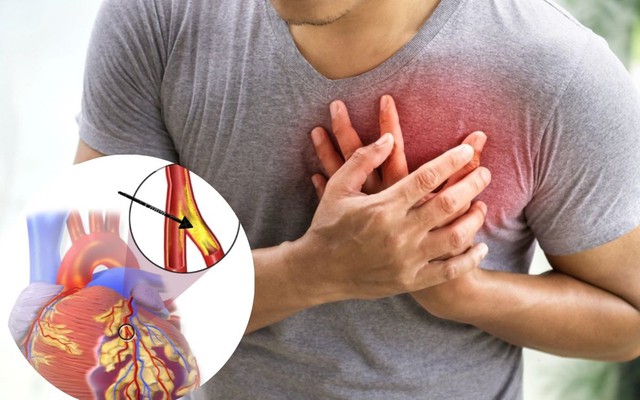
Medical experts say recognizing these signs early is extremely important, as a heart attack occurs when blood flow to the heart is suddenly blocked, causing damage to heart muscle tissue.
Below are several pain locations that may indicate a possible heart attack.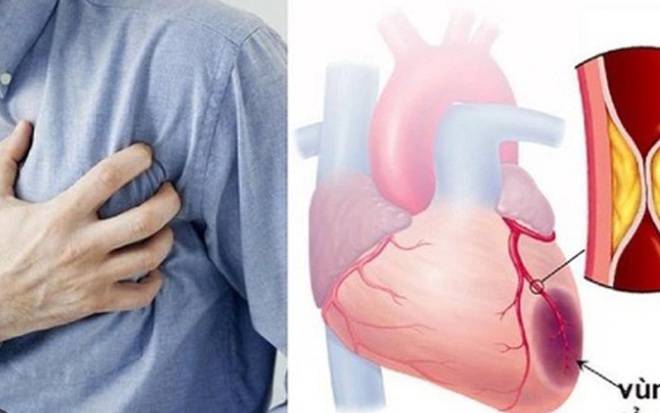
1. Chest Pain
Chest pain remains the most common symptom. It often occurs in the center or left side of the chest and may feel like pressure, tightness, or squeezing.
Some people describe it as a heavy weight pressing on their chest. The pain can last for several minutes or come and go repeatedly.
2. Shoulder Pain
Pain in the shoulder—especially the left shoulder—can sometimes be related to heart problems. Because the heart is located on the left side of the chest, pain may radiate to nearby areas such as the shoulder.
3. Arm Pain
Many heart attack patients experience pain spreading down the left arm. In some cases, the discomfort may also affect both arms.
4. Neck Pain
A heart attack can cause discomfort in the neck area. Some people report feeling tightness or pain that extends upward from the chest.
5. Jaw Pain
Pain in the jaw may seem unrelated to the heart, but doctors note that reduced blood flow to the heart can sometimes cause pain that radiates to the jaw or teeth.
6. Back Pain
Back pain—especially in the upper back—can also occur during a heart attack. This symptom is reported more frequently in women.
Because it resembles muscle pain, many people mistakenly ignore it.
7. Upper Abdominal Pain
Pain in the upper abdomen may occur when reduced blood flow to the heart affects nearby nerves and organs.
This discomfort can easily be mistaken for digestive problems such as stomach pain or indigestion.
8. Headache
In some cases, inflammation and blood vessel changes during a heart attack may lead to sudden or unusual headaches.
9. Tooth Pain
Unexpected tooth pain—especially when dental health is otherwise normal—can sometimes be linked to heart-related issues.
10. Generalized Pain or Discomfort
Some people experience vague or widespread discomfort rather than sharp pain. They may feel pressure, fatigue, or unexplained pain in multiple parts of the body.
Other Symptoms That May Appear
In addition to pain, a heart attack can also cause several other warning signs, including:
-
Shortness of breath
-
Cold sweating
-
Nausea or vomiting
-
Dizziness or fainting
If these symptoms occur suddenly or persist for more than several minutes, doctors recommend seeking medical attention immediately. Early treatment can significantly improve survival chances.
Don’t Ignore Unusual Pain
Many people delay going to the hospital because they assume their symptoms are caused by muscle strain, digestive problems, or fatigue.
However, recognizing early warning signs and seeking help quickly can save lives. Heart disease remains one of the leading causes of death worldwide, making awareness and early detection extremely important.