Rice is one of the most widely consumed foods in the world. In many cultures, especially across Asia, rice is a staple that appears on the dining table almost every day. While cooking rice may seem simple, experienced home cooks often use small kitchen tricks to improve the texture, appearance, and flavor of the rice.
One interesting cooking tip that has gained attention is adding a small amount of lime or lemon juice to the rice cooker while cooking rice. At first, this idea may sound unusual, but many cooks believe this simple trick can bring several surprising benefits.
Let’s explore why some people use this technique and how it may improve the quality of cooked rice.
Helping Rice Grains Stay Separate
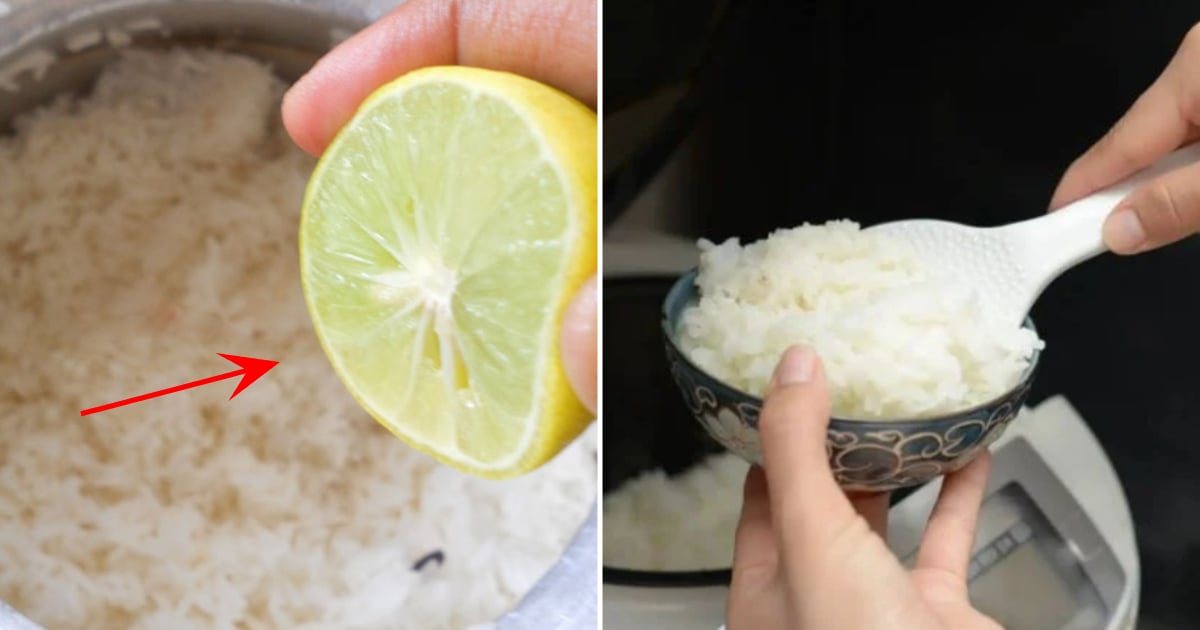
One of the main reasons people add lime juice to rice while cooking is to help the rice grains remain separate and fluffy.
Rice contains natural starch. During cooking, this starch can cause the grains to stick together, resulting in rice that becomes overly soft or clumpy. A small amount of acid from lime juice may slightly alter how starch behaves during cooking.
This can help prevent the grains from sticking too much, allowing the rice to appear lighter, fluffier, and more distinct after it finishes cooking.
Many cooks who prefer perfectly separated rice grains use this method as a simple way to improve the texture.
Making Rice Appear Brighter
Another benefit people often mention is that lime juice can help maintain the bright white color of cooked rice.
Sometimes rice may appear slightly dull or yellowish after cooking, especially if the rice quality is not perfect or if minerals in the water affect the cooking process. The mild acidity of lime juice may help preserve the natural whiteness of the rice.
The result can be rice that looks cleaner, brighter, and more visually appealing on the plate.
For dishes where presentation matters, this small trick may make a noticeable difference.
Reducing Excess Starch
When rice cooks, starch released from the grains mixes with the water and can create a sticky texture. While some dishes benefit from sticky rice, many recipes require rice that remains soft but not overly sticky.
Lime juice may help reduce the buildup of excess starch, allowing the rice to maintain a better balance between softness and separation.
Although the effect may be subtle, many home cooks find that this method improves the overall cooking result.
Enhancing the Aroma of Rice
Lime juice has a fresh citrus aroma that can slightly influence the fragrance of rice during cooking. When only a few drops are added, the flavor does not become sour, but it may create a subtle fresh aroma that enhances the overall dish.
The citrus scent can complement certain meals, especially dishes that include vegetables, seafood, or grilled meats.
However, it is important to add only a very small amount so that the rice keeps its natural flavor.
Preventing Rice From Boiling Over
Some people also claim that adding a few drops of lime juice may help reduce foaming while rice is boiling.
When rice cooks, starch in the water can create foam, which sometimes causes water to spill out of the rice cooker or pot. The acidity from lime juice may help reduce this foaming effect slightly, keeping the cooking process cleaner.
Although this does not happen in every case, many cooks appreciate this small benefit.
How to Use This Trick Properly
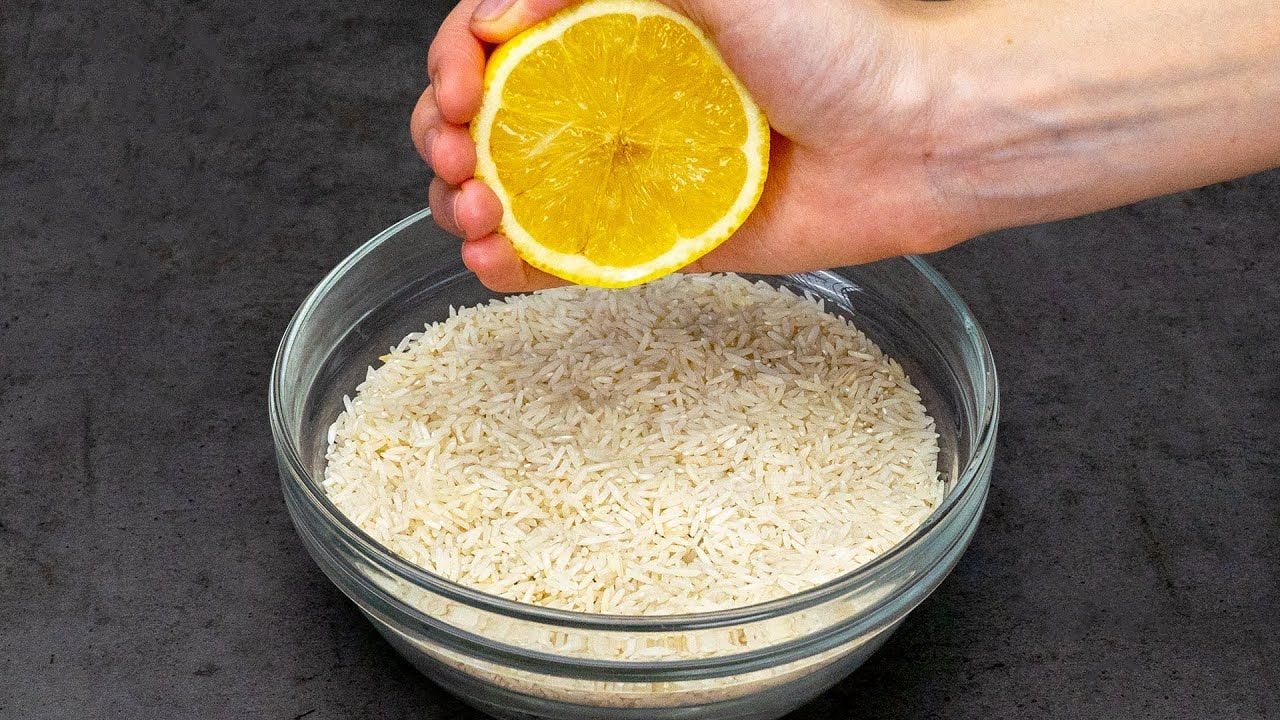
If you want to try adding lime juice to your rice cooker, the key is to use only a very small amount.
A common method is:
-
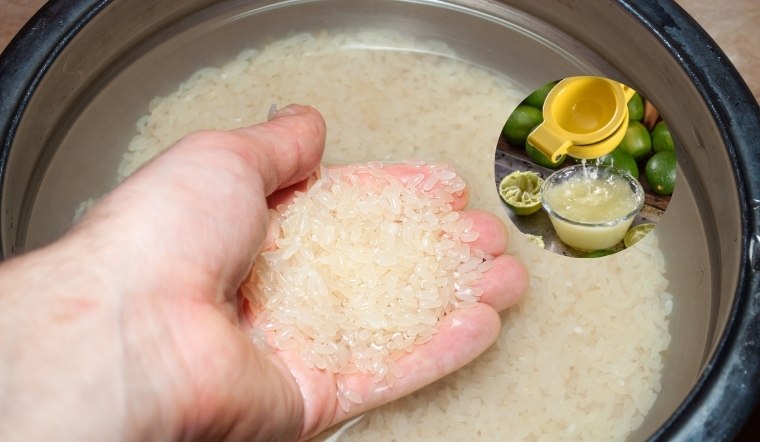
Rinse the rice as usual.
-
Add the normal amount of water to the rice cooker.
-
Squeeze a few drops of lime or lemon juice into the water.
-
Cook the rice normally.
Using too much lime juice can affect the flavor of the rice, so moderation is important.
Usually, half a teaspoon or less is enough for several cups of rice.
A Traditional Kitchen Tip
This trick has been shared among home cooks for many years. Many traditional cooking techniques come from experience rather than scientific testing, passed down from one generation to the next.
Sometimes these small methods become popular simply because they work well for certain recipes or cooking styles.
Whether used for improving texture, color, or cooking stability, these kitchen secrets continue to be discovered and shared in households around the world.
Other Tips for Cooking Better Rice
In addition to adding lime juice, there are other helpful tips that can improve rice quality.
These include:
-
Rinsing rice thoroughly before cooking to remove excess starch
-
Using the correct rice-to-water ratio
-
Letting rice rest for a few minutes after cooking
-
Fluffing the rice gently with a fork
These simple steps help ensure rice cooks evenly and maintains the right texture.
Final Thoughts
Adding a few drops of lime juice to a rice cooker may seem like a small and unusual step, but many home cooks believe it offers several helpful benefits. From keeping rice grains separate and bright to reducing excess starch and improving aroma, this simple trick has become a favorite kitchen secret for some.
While the effect may be subtle, experimenting with small cooking techniques like this can make everyday meals more enjoyable.
Sometimes the most useful cooking tips are the simple tricks hidden in everyday kitchens, waiting to be discovered and shared.