
The Surprising Difference Between Oranges With Big Navels and Small Navels
When buying oranges at the market or supermarket, most people focus on the color or size of the fruit. However, there is one small detail many people overlook—the “navel” at the bottom of the orange. This tiny feature can reveal a lot about the fruit’s taste and juiciness.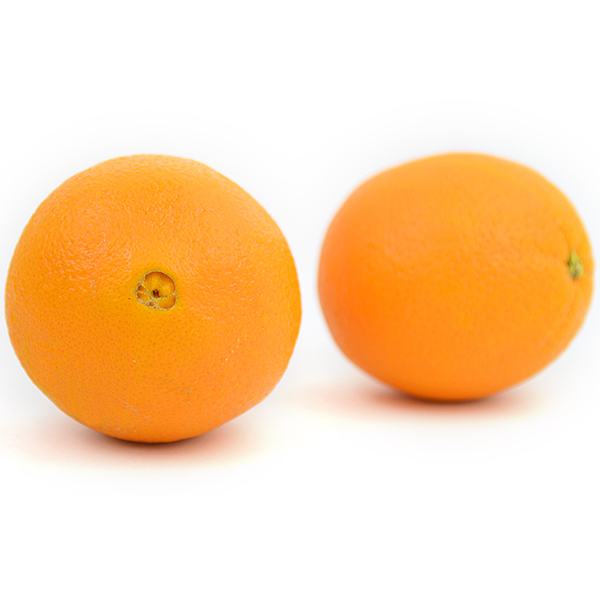
Oranges With Big Navels: Often Less Juicy
Some oranges have a large, clearly visible navel at the bottom. At first glance, these fruits may look attractive and perfectly ripe. But when you cut them open, you may notice a thicker white membrane around the navel area.
Because of this internal structure, oranges with a larger navel often contain more pith and less edible flesh. As a result, they can be less juicy and sometimes less sweet compared with other oranges.
In some cases, a large navel can even indicate that part of the fruit developed differently, leaving fewer juicy segments inside.
Oranges With Small Navels: Usually Sweeter and Juicier
On the other hand, oranges with a smaller and less noticeable navel tend to have a more uniform internal structure.
These fruits usually contain more pulp and juice, making them sweeter and more refreshing to eat. Their flesh is often fuller and more evenly distributed, which contributes to a better flavor overall.
For this reason, many experienced fruit buyers prefer oranges with a small navel when choosing fruit for eating fresh or making juice.
Simple Tips for Choosing Good Oranges
Besides checking the navel size, you can use a few other tricks to pick the best oranges.
1. Look at the color
Oranges with a deep orange color often receive more sunlight while growing, which helps them develop a sweeter taste.
2. Choose evenly shaped fruit
Round, symmetrical oranges usually contain more juice than fruits that look misshapen or uneven.:strip_icc()/cook-with-fruits-and-vegetables-sumo-oranges-2-05f97146e18b4b869b6563f8534e3f84.jpg)
3. Check the weight
A good orange should feel heavy for its size, which often means it contains plenty of juice.
4. Gently press the peel
Fresh oranges should feel slightly firm but not rock hard. Fruit that feels too light or overly hard may have dry flesh inside.
A Small Detail That Makes a Big Difference
The next time you buy oranges, take a moment to look at the bottom of the fruit. The size of the navel might seem like a tiny detail, but it can help you choose oranges that are sweeter, juicier, and more enjoyable to eat.