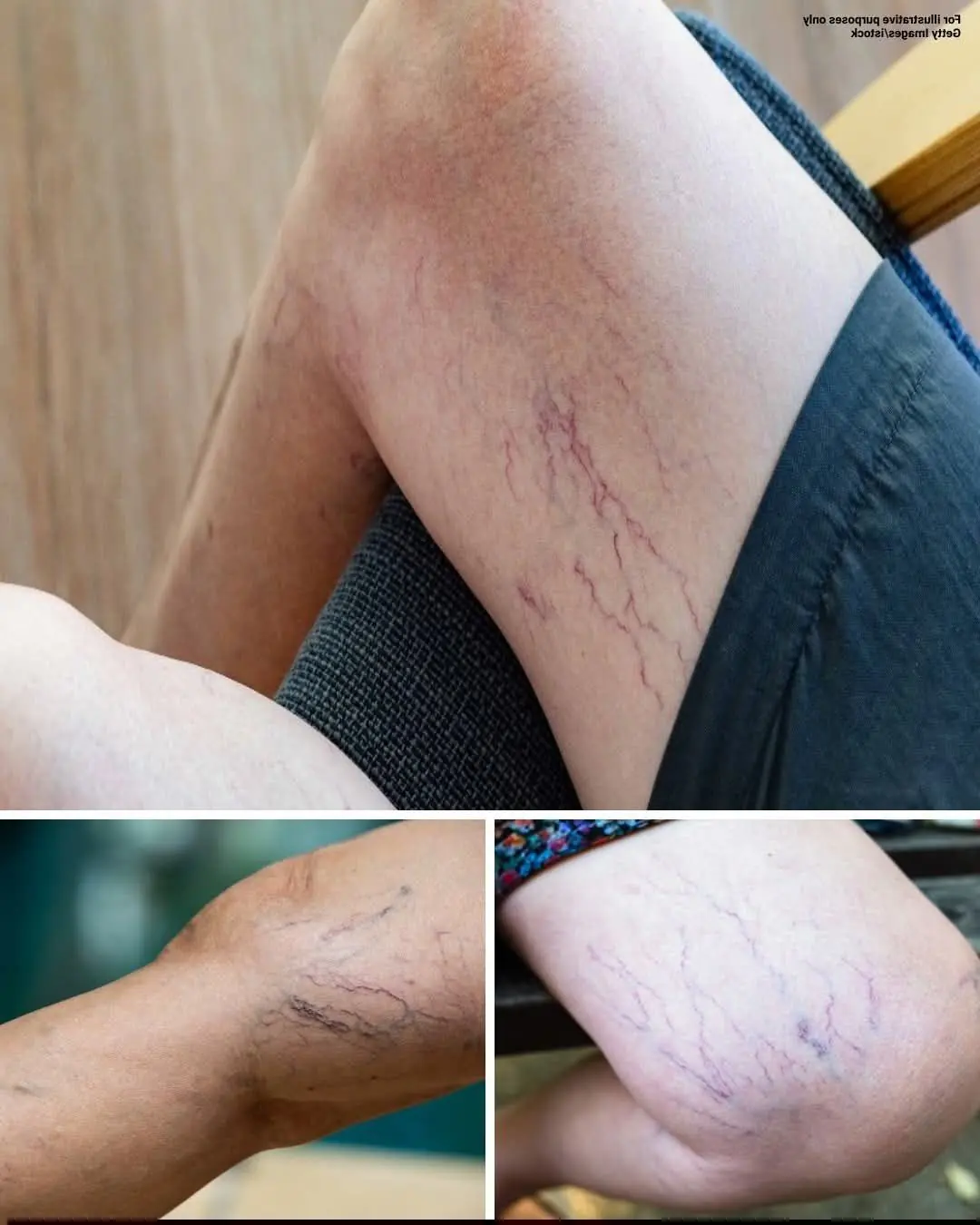
If You Have Purple Veins on Your Legs, Here’s What It Could Mean
Noticing purple or bluish veins appearing on your legs can be alarming at first. Many people worry that it may signal a serious health issue. However, experts say that in most cases, these visible veins are a common and generally harmless condition.
What Are Purple Veins on the Legs?
These visible purple or blue lines are often referred to as spider veins—small, damaged blood vessels located just beneath the surface of the skin. They can appear in web-like or branching patterns and are most commonly found on the legs.
Spider veins develop when tiny blood vessels weaken or expand, making them more visible through the skin.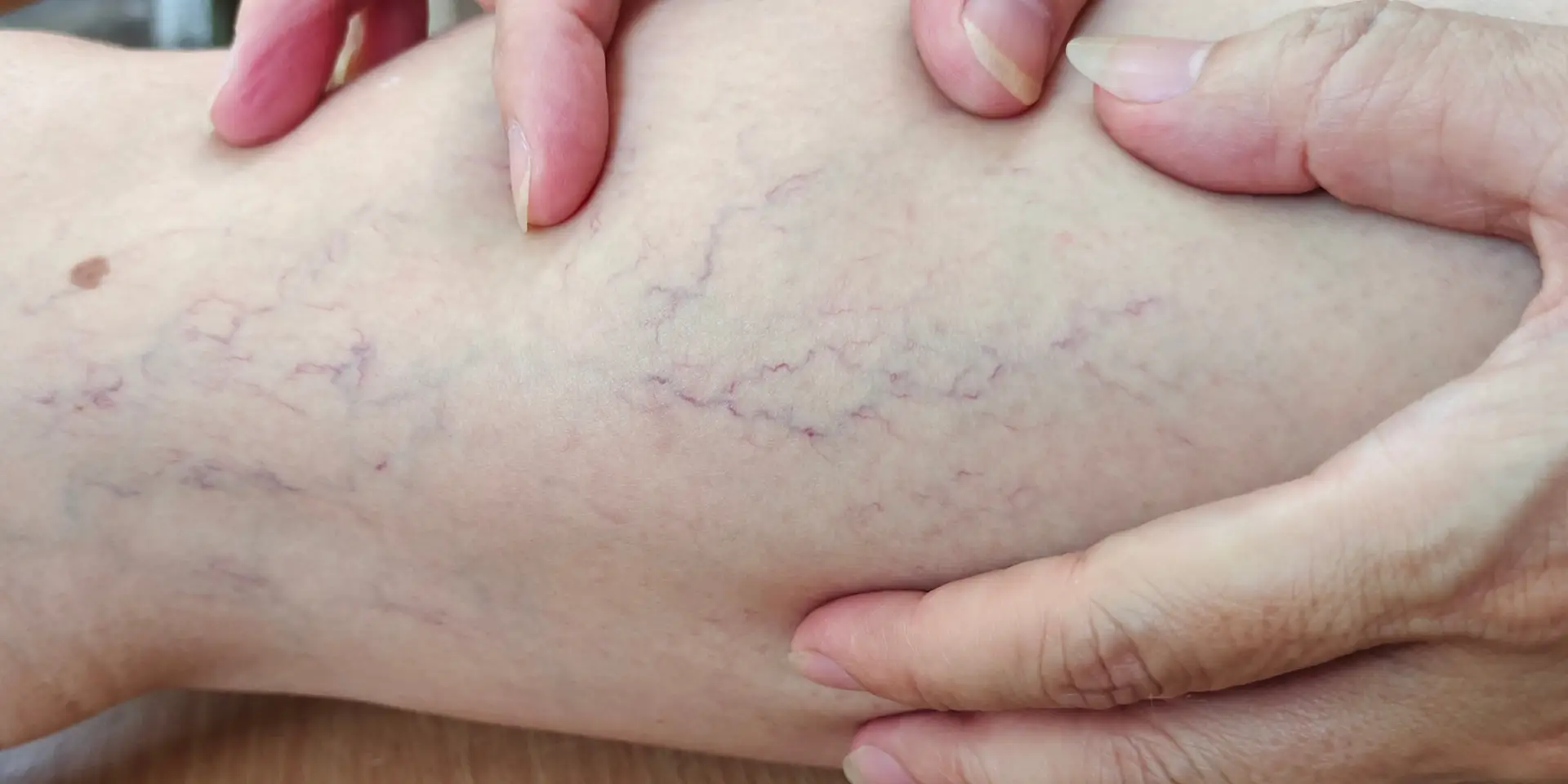
Why Do They Appear?
There are several common causes behind these purple veins:
- Weak or damaged blood vessels: When vein walls lose strength, blood can pool and create visible lines.
- Genetics: A family history of vein issues increases your risk significantly.
- Hormonal changes: Pregnancy, menopause, or birth control use can contribute to vein changes.
- Prolonged standing or sitting: Jobs or lifestyles that limit movement can affect circulation.
- Aging and lifestyle factors: Obesity, lack of exercise, and smoking may also play a role.
Are They Dangerous?
In most cases, spider veins are not dangerous and are considered mainly a cosmetic concern. They typically don’t cause symptoms, although some people may experience mild discomfort such as itching or burning.
However, in certain situations, they can be an early sign of underlying vein conditions such as chronic venous insufficiency, especially if accompanied by swelling or pain.
Spider Veins vs. Varicose Veins
It’s important to distinguish spider veins from varicose veins. While spider veins are small and flat, varicose veins are larger, swollen, and may bulge under the skin.
Varicose veins are more likely to cause symptoms such as pain, heaviness, or swelling in the legs, and may require medical attention.
What Can You Do About Them?
Although spider veins are usually harmless, there are ways to reduce their appearance or prevent them from worsening:
- Stay physically active to improve circulation
- Avoid sitting or standing for long periods
- Maintain a healthy weight
- Elevate your legs when resting
- Wear compression stockings if recommended
For those concerned about appearance, medical treatments such as laser therapy or sclerotherapy can help reduce visible veins.
When Should You See a Doctor?
You should consider consulting a healthcare professional if you experience:
- Persistent leg pain or swelling
- Skin discoloration or ulcers
- Rapid increase in visible veins
These symptoms could indicate a more serious vascular condition that requires evaluation.
The Bottom Line
Purple veins on your legs may look concerning, but they are often harmless and extremely common. Understanding what causes them—and when to seek help—can give you peace of mind and help you take better care of your vascular health.