Modern medical research increasingly bridges the gap between clinical science and natural therapies, offering promising, non-invasive pathways for managing chronic conditions. By examining diverse factors—from prenatal diet and gastrointestinal integrity to environmental frequencies—scientists are uncovering new methods for systemic healing and disease prevention.
The Foundation of Health: Prenatal and Digestive Integrity
Dietary choices during pregnancy serve as a critical blueprint for fetal neurodevelopment. A significant study involving a cohort of approximately 4,000 pregnancies found that eating fish during pregnancy was associated with a lower likelihood of an Autism Spectrum Disorder (ASD) diagnosis. Remarkably, this protective association was observed even when maternal consumption was less than one serving per week. The biological importance of these marine nutrients is further highlighted by a researcher who reached Omega-3 blood levels comparable to those found in dolphins after consuming 1,000 sardines over a 30-day period.
Gastrointestinal health also shows rapid and profound responses to targeted interventions:
Roasted Garlic and Leaky Gut: Roasted garlic has demonstrated the ability to reverse "leaky gut" caused by chemical colitis in just three weeks. It achieves this by restoring tight junction proteins, which typically break apart during periods of intense inflammation.
Mitigating Inflammation and Systemic Disease Risk
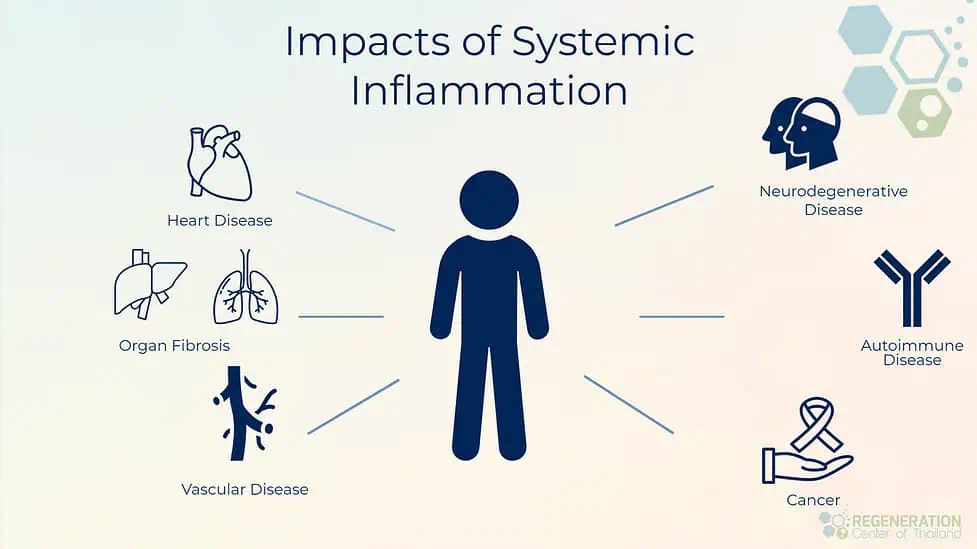
Chronic inflammation is a primary driver of degenerative conditions, yet natural interventions have proven effective in mitigating these risks. Taking 500 mg of natural eggshell membrane daily has been found to significantly reduce pain and stiffness associated with knee osteoarthritis in just 10 days. Similarly, yogurt consumption has been linked to significantly reduced levels of TNF-A, a protein that activates inflammation and is linked to arthritis, asthma, and cardiovascular disease.
The "mouth-body connection" is another vital area of preventive medicine. Emerging research suggests that treating gum disease could potentially reduce the overall risk of heart attacks and strokes. This underscores the importance of oral hygiene as a component of comprehensive cardiovascular care.
Oncological Prevention and Biophysical Frequencies
Nutrition and environmental factors play decisive roles in cancer prevention. High daily consumption of olive oil—specifically more than 3 tablespoons (40–45 grams)—is associated with a significantly lower risk of certain breast cancer subtypes. The strongest protective effect was noted for HER2-negative tumors, which showed a risk reduction of approximately 46%.
Furthermore, lab studies have shown powerful effects from plant-derived compounds:
Colon Cancer: Treating colon cancer cells with a combination of curcumin followed by silymarin (from milk thistle) caused the cells to stop multiplying and die in large numbers.
Beyond nutrition, biophysical research explores how cellular growth responds to the Earth's natural environment. Scientists discovered that exposing cancer cells to a very weak electromagnetic field at 7.83 Hz—the natural frequency emitted by the Earth, known as the Schumann Resonance—slowed their growth. This suggests a deep biological attunement to planetary frequencies that may hold untapped therapeutic potential.
Scientific Sources and Visual References:
Cohort Study on Maternal Fish Consumption and Autism Risk (N≈4,000)Clinical Trial on Natural Eggshell Membrane (NEM) for Knee OsteoarthritisGastroenterology Research on Roasted Garlic and Tight Junction Protein RestorationStudy on Olive Oil Consumption and HER2-Negative Breast Cancer SubtypesResearch on the Link Between Periodontal Treatment, Heart Attacks, and StrokesBiophysical Study on 7.83 Hz Electromagnetic Fields and Cancer Cell ProliferationCase Study on Intensive Sardine Consumption and Omega-3 Blood LevelsClinical Trial on Oral Glutamine for IBS Severity ReductionStudy on Yogurt Consumption and TNF-A Inflammatory Protein LevelsExperimental Study on Curcumin and Silymarin for Colon Cancer Cell DeathMicrobiome Study on Butyrate-Producing Bacteria and Active Vitamin D LevelsIn Vitro Study on Six-Compound Plant Combination Against Breast Cancer Cells1. Why the Connection Between Nutrition and Health Deserves Closer AttentionModern medicine increasingly recognizes that health is influenced by interconnected systems rather than by individual organs working in isolation. The digestive tract, immune system, cardiovascular system, nervous system, and hormonal networks continuously communicate with one another. Changes in one area can affect processes elsewhere in the body.Nutrition is an important part of this relationship. The foods people eat supply energy, vitamins, minerals, essential fatty acids, amino acids, and other compounds that support normal cellular function. Dietary patterns can also influence the composition of the gut microbiome, inflammatory signaling, blood glucose regulation, and cardiovascular risk.At the same time, scientific research requires careful interpretation. A promising laboratory experiment is not equivalent to a successful treatment in humans. An association between two biological measurements does not necessarily mean that one causes the other. Even a well-designed clinical trial may reveal benefits that apply only to a particular group of patients.These distinctions are especially important when discussing natural therapies. Garlic, olive oil, yogurt, fish, and plant-derived compounds contain substances that researchers continue to investigate. Some have established nutritional benefits, while others have shown interesting effects in early experimental studies. However, the presence of a biologically active compound does not automatically make a food or supplement a safe or effective treatment for a disease.A balanced approach brings together the most useful aspects of nutrition science and conventional healthcare. It recognizes that everyday habits can influence long-term health while preserving the role of appropriate diagnosis, medication, surgery, rehabilitation, and other evidence-based treatments.The following sections explore several areas of active research, explain what the findings may mean, and identify where more evidence is needed.2. Pregnancy Nutrition and the Developing BrainPregnancy is a period of rapid growth and development. During this time, the developing brain forms neural connections, produces specialized cells, and builds the structures required for communication, learning, and sensory processing.The nutrients available during pregnancy help support these processes. Among them are omega-3 fatty acids, including docosahexaenoic acid (DHA), which is an important structural component of the brain and retina.DHA can be obtained from certain fish and seafood. The body can also produce small amounts from alpha-linolenic acid, a plant-based omega-3 fatty acid found in foods such as flaxseed, chia seeds, and walnuts. However, conversion of alpha-linolenic acid into DHA is limited and varies between individuals.This is one reason why fish consumption has attracted attention in research on pregnancy outcomes.Why fish may be beneficial during pregnancyFish provides more than omega-3 fatty acids. Depending on the species, it can also supply iodine, selenium, vitamin B12, vitamin D, and high-quality protein.These nutrients contribute to different aspects of maternal and fetal health. Iodine supports thyroid hormone production, which is essential for fetal brain development. Vitamin B12 helps maintain normal nerve function and red blood cell formation. Protein provides amino acids needed for growth and tissue development.Some observational studies have found associations between maternal fish consumption and developmental outcomes in children. However, such studies cannot prove that fish itself caused the observed differences.People who eat fish regularly may differ from those who do not in several ways. They may have different overall diets, income levels, healthcare access, education, or other health-related behaviors. Researchers attempt to account for these differences statistically, but residual confounding can remain.Consequently, a finding that fish consumption is associated with a lower likelihood of an autism diagnosis should not be interpreted as proof that eating fish prevents autism.Autism spectrum disorder is a complex neurodevelopmental condition influenced by multiple genetic and environmental factors. No single food has been shown to prevent it, and families should not be led to believe that a child's developmental outcome depends on a mother's consumption of one particular ingredient.Choosing fish safely during pregnancyHealth authorities generally recommend that pregnant people eat appropriate amounts of lower-mercury fish because it provides valuable nutrients. Mercury exposure, however, varies significantly between species.Some large predatory fish accumulate higher levels of methylmercury, which can affect the developing nervous system. Pregnant people should therefore follow local guidance about which fish to choose and which species to avoid.Lower-mercury options often include sardines, salmon, trout, and certain types of herring, although local species and contamination levels vary.Fish should also be prepared and stored safely. Pregnant people may need to avoid certain raw or undercooked seafood products and follow local food safety advice regarding refrigerated smoked fish and other higher-risk items.For individuals who do not eat fish, a healthcare professional can discuss alternative sources of omega-3 fatty acids and whether an appropriate supplement is useful.The broader lesson is that pregnancy nutrition should emphasize adequacy, variety, and food safety rather than extreme dietary experiments.3. Omega-3 Fatty Acids: Important Nutrients, Not a Shortcut to Better HealthOmega-3 fatty acids are involved in cell membranes, nervous system function, and the regulation of signaling molecules associated with inflammation.DHA and eicosapentaenoic acid (EPA) are two marine omega-3 fatty acids that have been extensively studied. They are present in fatty fish and in certain fish oil or algae-derived supplements.