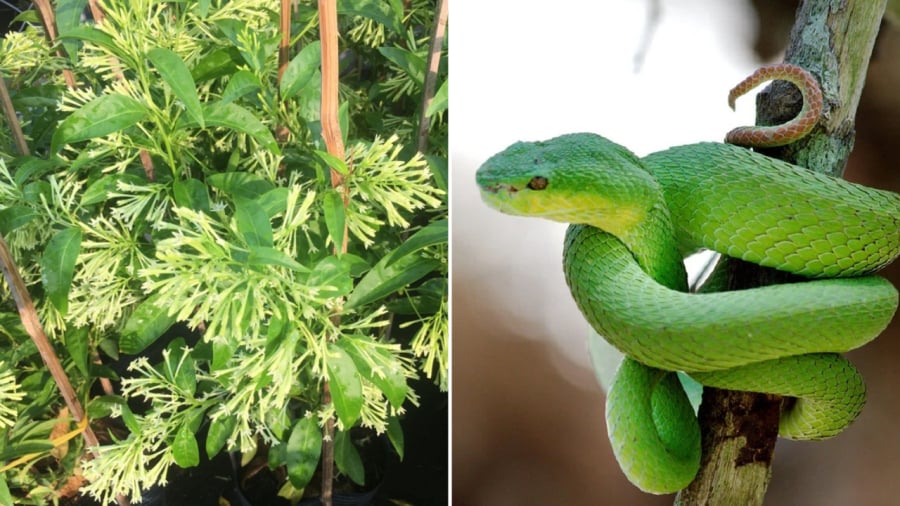
Snakes don’t randomly enter homes—they are usually searching for food, shelter, and a suitable environment. While plants themselves don’t directly attract snakes, certain types of vegetation can create ideal conditions for them to hide and thrive.
If your garden or yard provides shade, moisture, and attracts small animals, it may unintentionally become a snake-friendly space. Below are eight types of plants and landscaping conditions that could increase the likelihood of snakes appearing near your home.
1. Dense Ground Cover Plants
Plants that spread low and thick across the ground, such as creeping vines or ivy, can create hidden, shaded areas.
Why this is a problem:
- Provides excellent hiding spots
- Keeps the ground cool and moist
- Makes it easy for snakes to move undetected

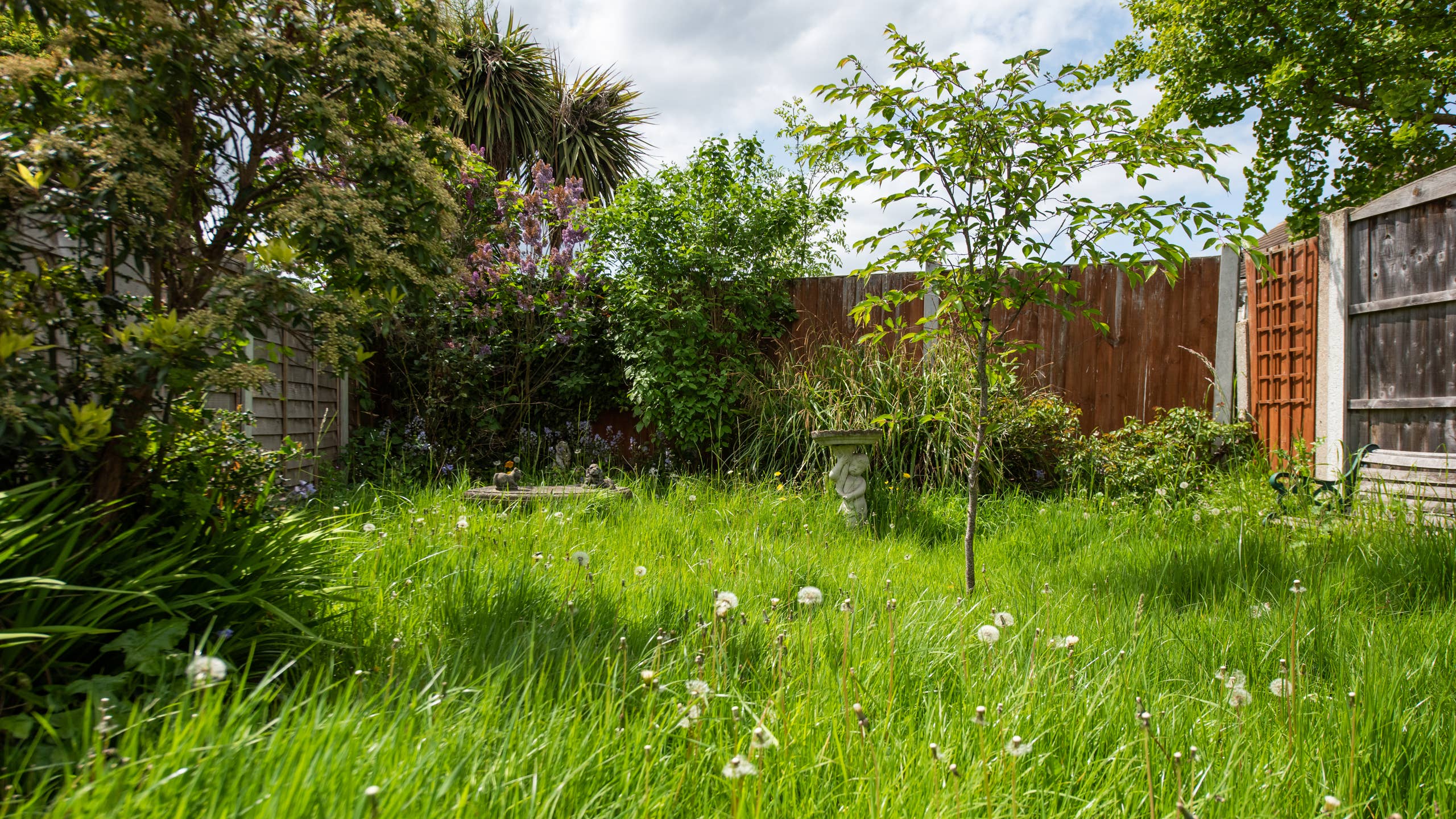
2. Tall Grass and Overgrown Lawns
Uncut grass is one of the most common reasons snakes are found near homes.
Risks include:
- Acts as camouflage for snakes
- Attracts insects and rodents (their food source)
- Creates a safe and quiet habitat
Keeping grass trimmed is one of the simplest preventive measures.
3. Thick Bushes and Shrubs
Dense shrubs, especially those planted close to walls or foundations, offer enclosed and protected spaces.
Why snakes like them:
- Shelter from predators and heat
- Dark, undisturbed environments
- Easy access to the house
4. Fruit-Bearing Plants
Fruit trees and plants don’t attract snakes directly, but they attract rodents and insects, which snakes feed on.
Chain effect:
Fallen fruit → attracts pests → attracts snakes
Cleaning up fallen fruit regularly can help reduce this risk.
5. Plants Around Water Sources
Gardens with ponds, fountains, or constantly damp soil can attract snakes.
Reasons:
- Snakes are drawn to water
- Moist environments attract frogs and insects
- Provides a cool place during hot weather
6. Mulch and Organic Garden Beds
Mulch is commonly used to retain moisture for plants, but it can also create a comfortable hiding spot.
Potential issues:
- Retains heat and moisture
- Attracts insects
- Provides cover for small animals and snakes
7. Climbing Plants on Walls and Fences
Vines and climbing plants growing on structures can create hidden pathways.
Why this matters:
- Allows snakes to move closer to entry points
- Creates shaded areas along walls
- Reduces visibility
8. Overcrowded Ornamental Plants
Decorative plants placed too closely together can create dense, humid environments.
Problems include:
- Poor airflow
- Increased moisture
- Easy hiding spaces
Key Takeaway
It’s not the plant itself that attracts snakes—but the environment it creates. Snakes are drawn to areas that offer:
- Shelter
- Food sources
- Comfortable temperature and humidity
How to Reduce the Risk
To make your home less attractive to snakes:
- Trim grass and prune plants regularly
- Avoid overly dense landscaping
- Remove debris and fallen fruit
- Limit standing water
- Control pests and rodents
- Keep garden areas clean and well-maintained
Final Thoughts
A beautiful garden doesn’t have to be a risky one. With proper care and smart landscaping, you can enjoy greenery without creating an environment that invites unwanted visitors.
In the end, prevention is about maintaining balance—keeping your space clean, open, and less appealing to wildlife like snakes.