Flushing the toilet after every use is a habit most people follow automatically. It’s often associated with cleanliness, hygiene, and basic etiquette. However, in recent years, discussions around water conservation and environmental sustainability have raised an interesting question: is it always necessary to flush every single time?
While hygiene should never be compromised, there are certain situations where skipping a flush—occasionally and responsibly—can have meaningful benefits. Understanding when and why this applies can help strike a balance between cleanliness and sustainability.

The Hidden Cost of Every Flush
Each time you flush a toilet, a significant amount of clean, treated water is used.
On average:
- Older toilets use up to 10–13 liters per flush
- Modern toilets use around 4–6 liters per flush
When multiplied by daily use across households, this adds up to a large amount of water consumption. Considering that fresh water is a limited resource in many parts of the world, reducing unnecessary usage becomes increasingly important.
1. Water Conservation and Environmental Impact
One of the main reasons to reconsider frequent flushing is water conservation.
Skipping a flush in appropriate situations can:
- Reduce overall water usage
- Lower household utility bills
- Help conserve natural water resources
In regions facing drought or water shortages, even small changes in daily habits can contribute to long-term sustainability.
2. The “If It’s Yellow, Let It Mellow” Concept
A commonly referenced guideline is:
- “If it’s yellow, let it mellow; if it’s brown, flush it down.”
This approach suggests that flushing may not always be necessary after urination, provided the toilet is used again soon and remains clean.
However, this practice should be applied carefully and is more suitable for:
- Private households
- Situations where hygiene can be maintained
It is generally not appropriate in shared or public spaces.
3. Balancing Hygiene and Practicality
While reducing flushing can save water, hygiene must remain a priority.
Not flushing when necessary can lead to:
- Odor buildup
- Bacterial growth
- Unpleasant bathroom conditions
To maintain balance:
- Flush regularly when needed
- Clean the toilet frequently
- Ensure proper ventilation
The goal is not to avoid flushing entirely, but to be mindful of when it is truly necessary.
4. Modern Alternatives: Dual-Flush Systems
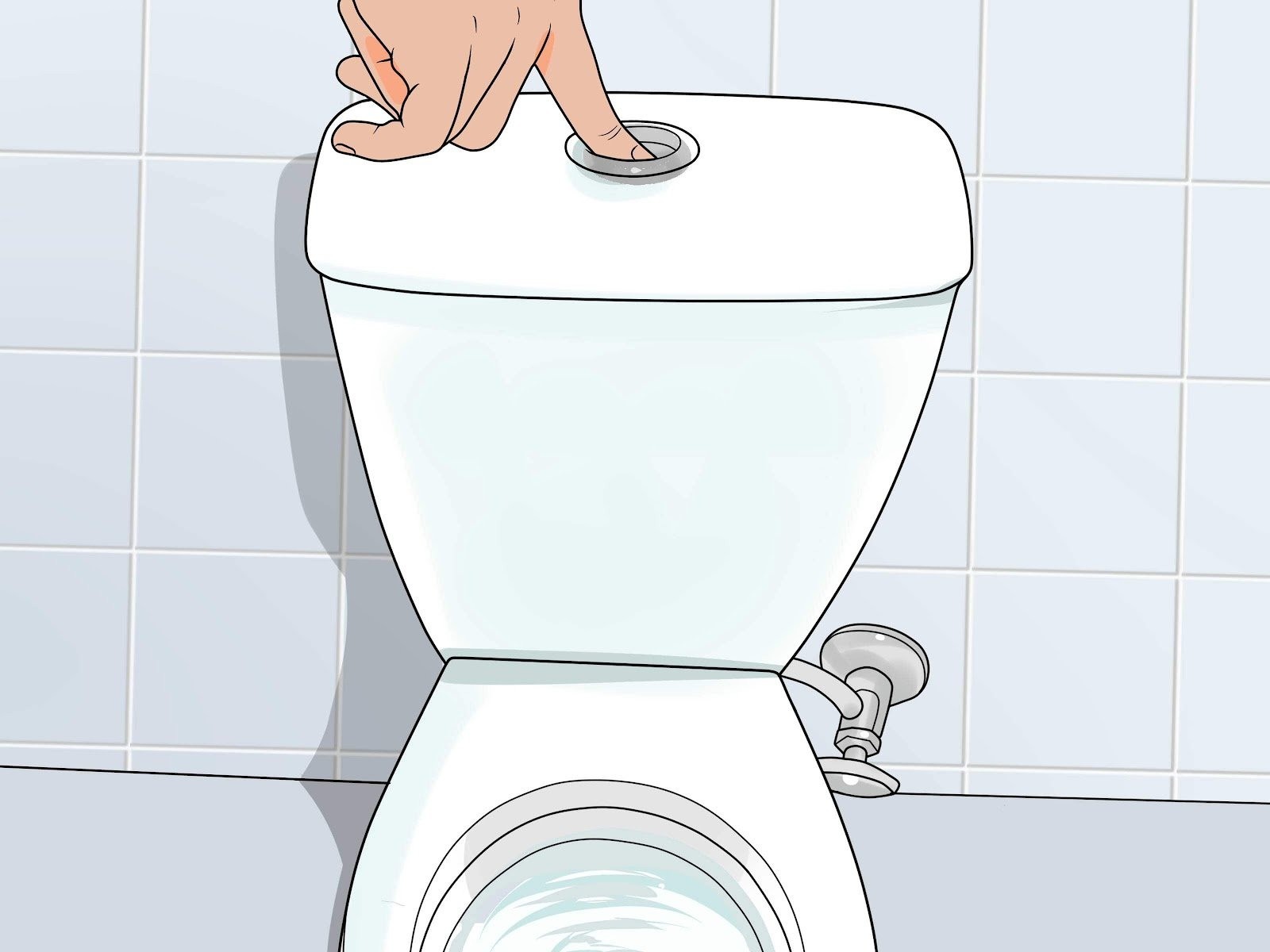
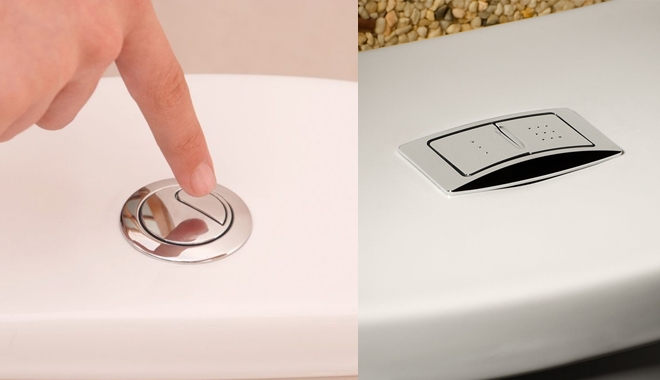
Many modern toilets are designed to address this issue with dual-flush systems.
These systems offer:
- A low-volume flush for liquid waste
- A full flush for solid waste
This allows users to reduce water usage without compromising hygiene. Installing such systems is an effective long-term solution.
5. Cultural and Lifestyle Considerations
Attitudes toward flushing vary across cultures and environments.
In some regions:
- Water conservation is a daily priority
- People are more accustomed to limiting water use
In others:
- Hygiene expectations emphasize frequent flushing
Understanding context is important when applying these practices.
6. When You Should Always Flush
There are situations where flushing should never be skipped:
- After solid waste
- When the toilet is shared with others
- If there is any risk of odor or contamination
- In public or workplace settings
In these cases, hygiene and consideration for others take precedence.
Final Thoughts
The idea of not flushing the toilet every time may seem unusual at first, but it highlights a broader issue: how everyday habits impact the environment.
Being mindful of water use doesn’t mean sacrificing cleanliness. Instead, it’s about making informed choices - knowing when a full flush is necessary and when it might not be.
Small changes in routine, when practiced consistently, can contribute to significant environmental benefits over time. And sometimes, even the simplest habits - like how often you flush can make a difference.