Cervical cancer is one of the most preventable yet still serious health conditions affecting women worldwide. With the right knowledge, regular screening, and preventive measures, many cases can be detected early—or even avoided entirely. However, lack of awareness and delayed diagnosis continue to make cervical cancer a major concern.
Understanding the causes, symptoms, risk factors, and prevention strategies is essential for protecting long-term health.
What Is Cervical Cancer?
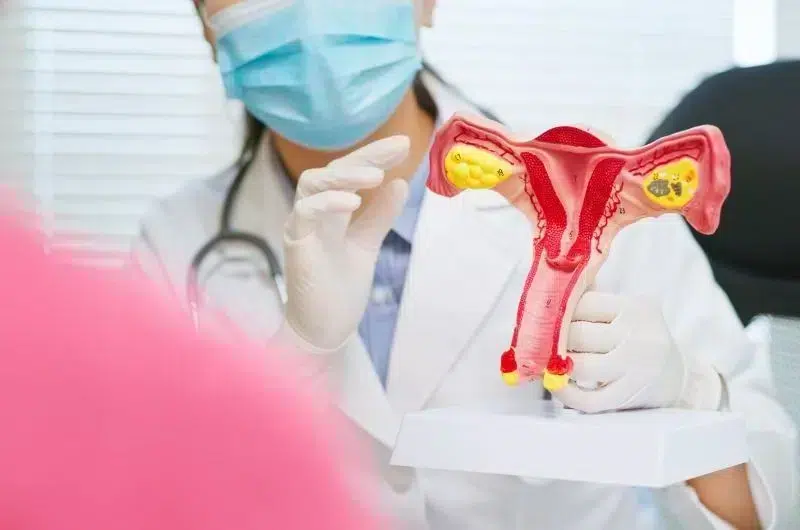
Cervical cancer occurs in the cells of the cervix—the lower part of the uterus that connects to the vagina. It usually develops slowly over time, often beginning with precancerous changes that may not cause noticeable symptoms.
If detected early, these abnormal changes can be treated before they develop into cancer, making early screening extremely important.
The Main Cause: Human Papillomavirus (HPV)
The primary cause of cervical cancer is persistent infection with Human papillomavirus infection (HPV), a very common virus transmitted through sexual contact.
Key facts about HPV:
- Most sexually active individuals will be exposed at some point
- Many HPV infections clear on their own
- Certain high-risk strains can lead to cervical cancer over time
Because HPV often has no symptoms, people may not realize they are infected.
Early Signs and Symptoms
In its early stages, cervical cancer may not cause obvious symptoms. As it progresses, some warning signs may appear:
- Unusual vaginal bleeding (between periods or after intercourse)
- Pelvic pain or discomfort
- Pain during intercourse
- Unusual vaginal discharge
These symptoms can also be linked to other conditions, but they should never be ignored.
Risk Factors to Be Aware Of
While HPV is the main cause, several factors can increase the risk of developing cervical cancer:
- Early onset of sexual activity
- Multiple sexual partners
- Smoking
- Weakened immune system
- Long-term use of oral contraceptives (in some cases)
- Lack of regular screening
Understanding these factors can help individuals make informed health decisions.

The Importance of Screening
Regular screening is one of the most effective ways to detect cervical cancer early.
1. Pap Smear (Pap Test)
This test identifies abnormal cells in the cervix before they become cancerous.
2. HPV Test
This test detects high-risk HPV strains that may lead to cervical cancer.
Routine screening allows doctors to:
- Detect changes early
- Monitor potential risks
- Provide timely treatment
Early detection significantly improves outcomes.
Prevention: What You Can Do
1. HPV Vaccination
Vaccines are available to protect against the most dangerous strains of HPV. They are most effective when given before exposure to the virus but can still provide benefits later.
2. Practice Safe Sex
Using protection and limiting exposure to multiple partners can reduce the risk of HPV transmission.
3. Quit Smoking
Smoking weakens the immune system and makes it harder for the body to fight infections like HPV.
4. Maintain Regular Check-Ups
Routine visits to a healthcare provider ensure that any abnormalities are detected early.
Treatment and Prognosis
If cervical cancer is detected, treatment options depend on the stage and severity:
- Early stages: Procedures to remove abnormal cells
- Advanced stages: Surgery, radiation therapy, or chemotherapy
When diagnosed early, cervical cancer has a high survival rate. This is why awareness and screening are so critical.
Why Awareness Still Matters
Despite medical advancements, many women are still diagnosed at later stages due to:
- Lack of knowledge
- Fear or stigma around screening
- Limited access to healthcare
Raising awareness helps break these barriers and encourages proactive health management.
Final Thoughts
Cervical cancer is not just a medical issue—it is a preventable condition that can be controlled with the right information and actions.
Knowing the role of HPV, recognizing early warning signs, and committing to regular screening can make a life-saving difference. Prevention doesn’t require complicated steps—just consistency, awareness, and care for your own health.
Taking charge today can protect your future.