🍋 Why Lemons Don’t Always Belong in the Fridge (At First)
Lemons are a kitchen staple - used for drinks, cooking, cleaning, and even health remedies. Most people instinctively place them straight into the refrigerator after buying them.
But here’s the twist:
Storing lemons in the fridge immediately isn’t always the best way to preserve their freshness.
In fact, how you store lemons during the first few days can determine how long they last overall.
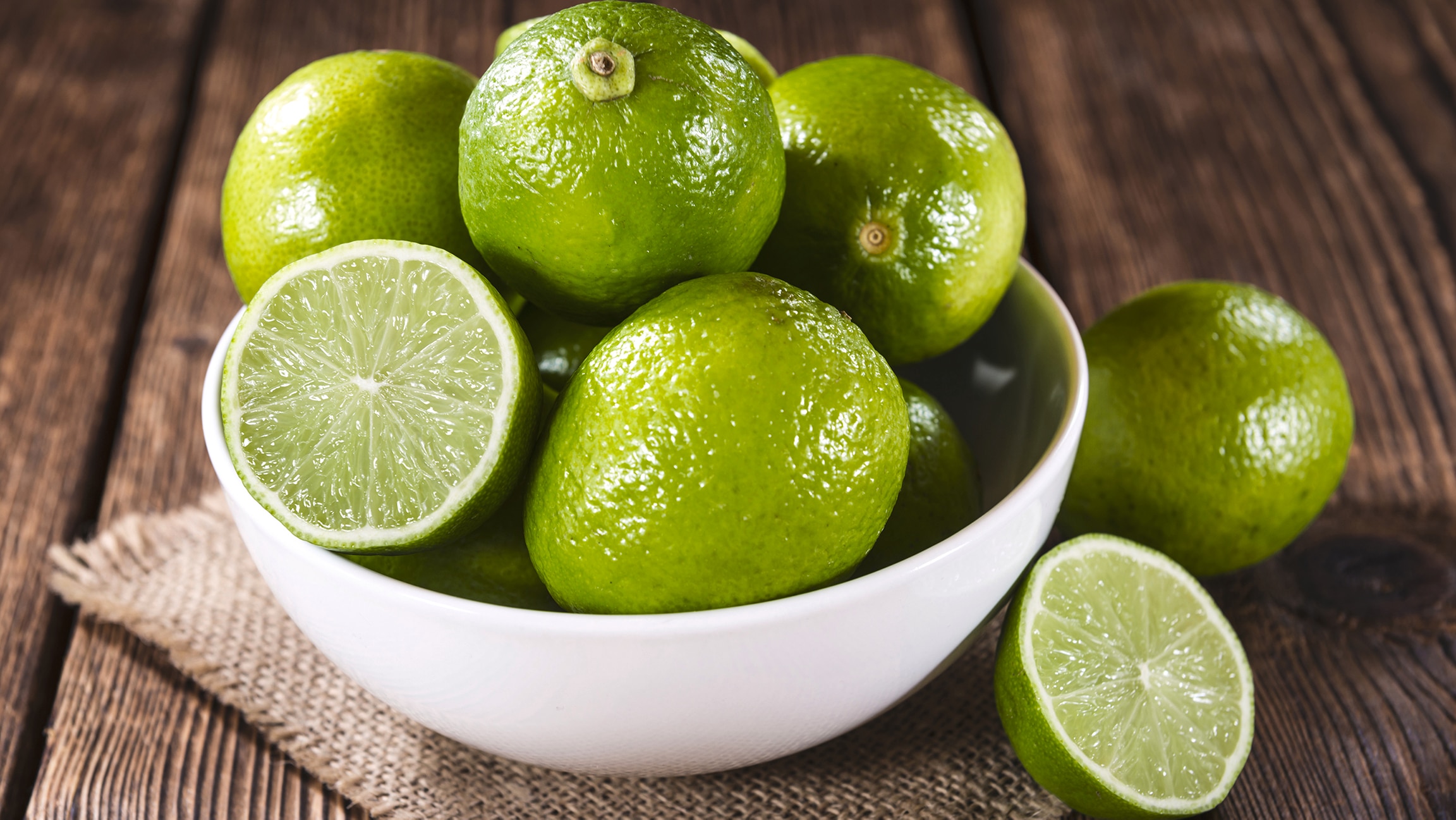
🌡️ Step 1: Let Lemons “Breathe” First
When you first bring lemons home, avoid putting them in the fridge right away.
Instead:
- Keep them at room temperature
- Store in a dry, well-ventilated place
- Avoid direct sunlight
Why?
- Fresh lemons still contain natural moisture
- Immediate refrigeration can trap condensation
- This may speed up spoilage or mold growth
👉 Letting them “rest” helps stabilize their outer skin.
💧 Step 2: The Water Storage Method (Game-Changer)
After a few days, transfer your lemons into the fridge — but not just loose on a shelf.
Try this method:
- Place lemons in a sealed container or jar
- Fill it with clean water
- Store in the refrigerator
Benefits:
- Prevents moisture loss
- Keeps lemons firm and juicy
- Slows down aging significantly
👉 This method can extend freshness for weeks or even months.
❄️ Step 3: For Long-Term Storage (Up to a Year)
If you want lemons to last for many months, freezing is your best option.
Option A: Freeze Whole Lemons
- Wash and dry thoroughly
- Place in freezer-safe bags
- Store in freezer
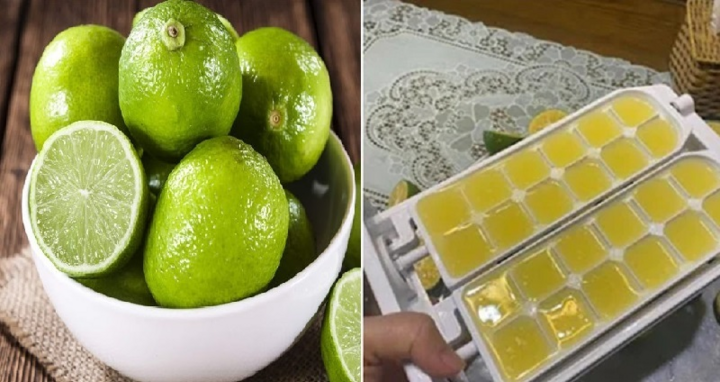
Option B: Freeze Lemon Juice
- Squeeze juice into ice cube trays
- Freeze and store cubes in bags
Option C: Freeze Lemon Zest
- Grate the peel
- Store in airtight containers
👉 Freezing preserves flavor and nutrients effectively.
🌬️ Step 4: Drying for Extended Use
Another method is drying lemon slices or peels.
How:
- Slice lemons thinly
- Dry under low heat or air-dry
- Store in airtight containers
Uses:
- Tea infusions
- Cooking
- Natural fragrance
👉 A traditional method with long-lasting results.
⚠️ Common Mistakes to Avoid
- Storing lemons in plastic bags without airflow
- Leaving them wet before storage
- Keeping them near high-moisture foods
- Ignoring early signs of mold
👉 Small mistakes can shorten shelf life significantly.
🧠 Why These Methods Work
The key to preserving lemons lies in controlling:
- Moisture
- Air exposure
- Temperature changes
By managing these factors, you:
- Slow down spoilage
- Maintain texture and flavor
- Extend usability
👉 It’s not just storage - it’s strategy.
🌱 Final Thoughts
Lemons may seem simple, but storing them correctly can make a big difference in how long they last and how fresh they stay.
Instead of tossing them straight into the fridge, take a moment to follow a smarter approach:
- Let them rest
- Store them properly
- Preserve them for the long term
Because sometimes, a small change in habit can lead to a big improvement in results.