The idea of a snake entering your home is enough to make anyone uneasy. In many regions, especially in tropical or rural areas, snakes may occasionally find their way indoors while searching for food, shelter, or cooler environments. As a result, various home remedies have been passed down, claiming that certain substances can repel snakes instantly.
But how effective are these methods and what should you actually do if a snake enters your home?
Let’s break it down clearly.
Why Snakes Enter Homes
Before looking at solutions, it’s important to understand the cause.
Snakes typically enter houses because they are:
- Searching for food (such as rodents or insects)
- Looking for cool, dark shelter
- Following prey that has already entered your home
This means that prevention often starts with controlling the environment around your living space.
Common Substances People Use to Repel Snakes
There are several commonly suggested household items believed to repel snakes due to their strong smell or irritating properties.
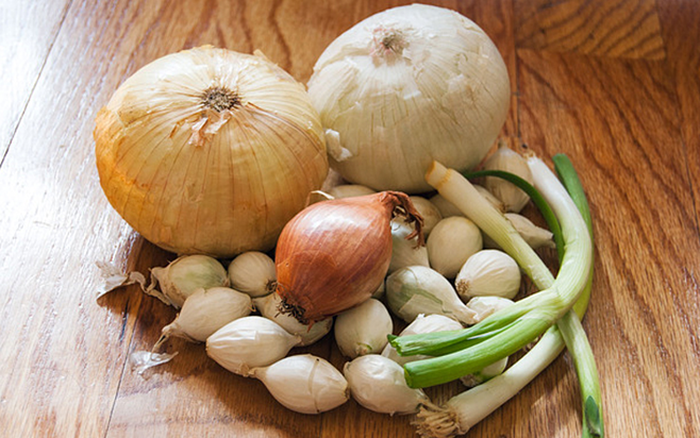
1. Garlic and Onion
Garlic and onions contain sulfur compounds that produce a strong odor.
Belief:
The smell may irritate a snake’s sensory system, making it avoid the area.
Reality:
While strong odors can affect animals, there is limited scientific evidence proving that garlic or onion alone can reliably repel snakes.
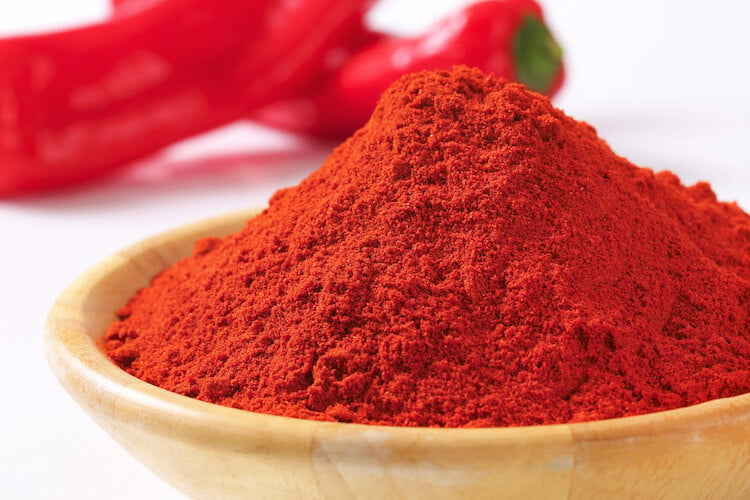
2. Chili Powder or Spicy Substances
Some people sprinkle chili powder or crushed peppers around entry points.
Belief:
The spiciness may irritate the snake’s skin or respiratory system.
Reality:
This may deter some animals temporarily, but it is not a guaranteed or long-term solution.
3. Vinegar
Vinegar is often used near doorways or drains.
Belief:
Its strong acidic smell may discourage snakes from entering.
Reality:
Again, evidence is limited. It may help in specific situations but should not be relied on as a primary defense.
4. Lime and Salt Mixtures
This combination is sometimes used around the perimeter of a home.
Belief:
It creates a chemical reaction that irritates snakes.
Reality:
There is no strong scientific support for this method as an effective snake repellent.

Do These Methods Really Work?
Here’s the key point:
Most of these remedies are based on traditional beliefs rather than scientific evidence. While they may have mild or temporary effects, they are not reliable solutions for keeping snakes away.
Snakes do not “fear” these substances in the way people often assume. Their behavior is primarily driven by:
- Food availability
- Shelter
- Temperature
If those conditions are favorable, simple household substances are unlikely to stop them.
What You Should Do If a Snake Enters Your Home
If you encounter a snake indoors, avoid panic and follow these steps:
1. Keep a Safe Distance
Do not attempt to touch or provoke the snake. Some species can be dangerous.
2. Isolate the Area
Close doors to limit its movement and keep pets or children away.
3. Contact Professionals
Call local animal control or wildlife services to handle the situation safely.
Effective Ways to Prevent Snakes from Entering
Prevention is far more effective than reaction.
1. Eliminate Food Sources
- Control rodents and pests
- Keep food properly stored
2. Seal Entry Points
- Close gaps under doors
- Repair cracks in walls and floors
- Cover drains and vents
3. Keep Surroundings Clean
- Trim bushes and tall grass
- Remove clutter and debris
- Avoid leaving standing water
4. Use Proven Repellents (If Necessary)
Commercial snake repellents may be more effective than home remedies, though results can still vary.
Final Thoughts
The idea that sprinkling certain household items will instantly scare a snake away is appealing—but not entirely accurate. While substances like garlic, chili, or vinegar may have some minor deterrent effects, they are not dependable solutions.
The most effective approach is a combination of:
- Awareness
- Proper home maintenance
- Professional help when needed
When it comes to safety, relying on proven methods—not myths—is always the smarter choice.