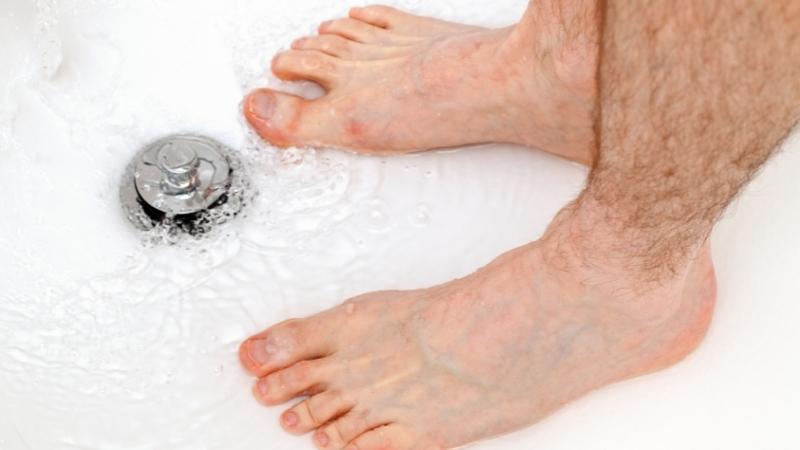
For many people, urinating in the shower may seem harmless - even convenient. It’s often viewed as a time-saving habit, and because everything is washed away with water, it may feel hygienic. However, some medical professionals have raised concerns, particularly regarding why women should be cautious about this habit.
While occasional instances are unlikely to cause serious harm, developing a regular pattern of urinating in the shower may have subtle effects on bladder health and pelvic function over time.
Understanding How the Bladder Works
The bladder is a muscular organ that stores urine and signals when it’s time to empty. Normally, urination is a controlled process involving:
- The brain sending signals to the bladder
- Pelvic floor muscles relaxing
- The bladder contracting to release urine
Healthy bladder habits rely on consistent timing and proper posture.
The Conditioning Effect: Training Your Brain the Wrong Way
One of the main concerns doctors highlight is behavioral conditioning.
When you urinate in the shower regularly, your brain may begin to associate:
- The sound of running water
- The feeling of water on your skin
with the urge to urinate.
Why this matters:
Over time, this can lead to:
- Increased urgency when hearing water (e.g., washing hands, doing dishes)
- Reduced bladder control
- Habitual urination even when the bladder isn’t full
This type of conditioning can disrupt normal bladder signaling patterns.
Posture Matters More Than You Think
For women, proper posture during urination is important for complete bladder emptying.
Typical shower posture:
- Standing upright
- Pelvic floor muscles not fully relaxed
Potential effects:
Urinating while standing may:
- Prevent complete bladder emptying
- Increase the risk of urine retention
- Lead to discomfort or frequent urges to urinate
Incomplete emptying can sometimes contribute to urinary issues over time.
Pelvic Floor Health Concerns
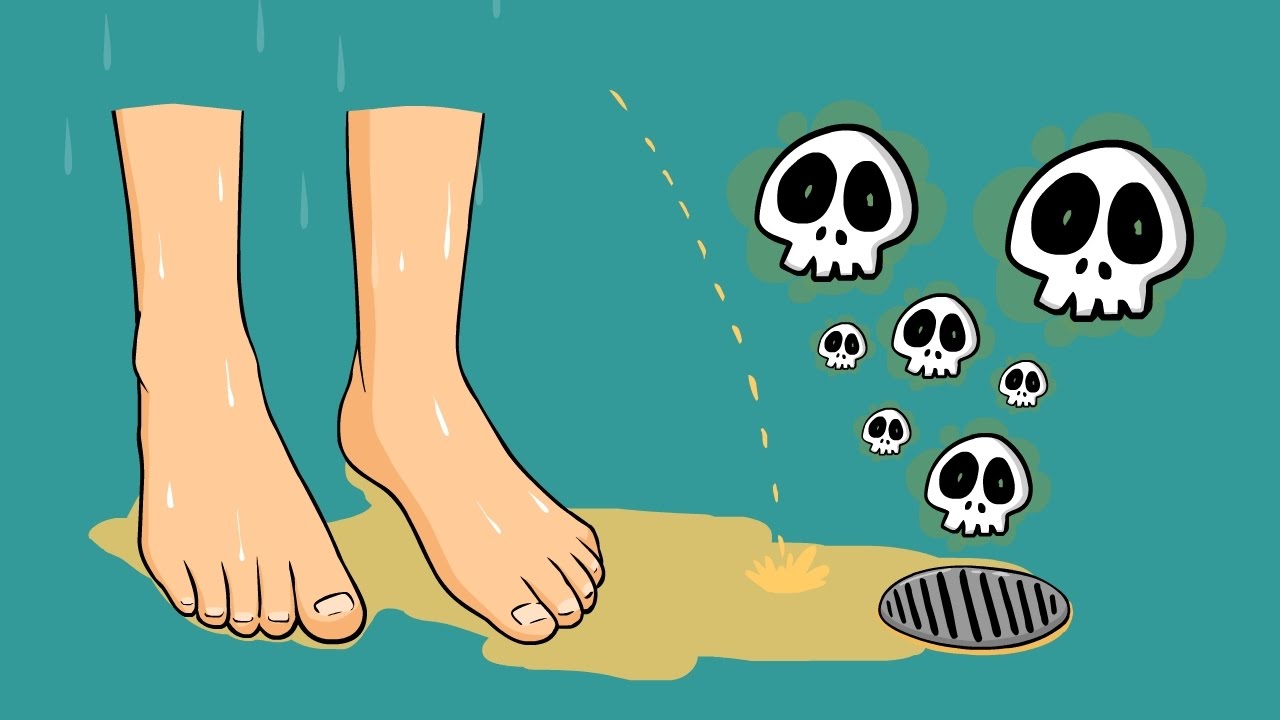
The pelvic floor muscles play a key role in supporting the bladder and controlling urination.
If urination becomes associated with standing positions (like in the shower), it may:
- Disrupt natural muscle coordination
- Make it harder to fully relax these muscles when needed
- Potentially contribute to pelvic floor dysfunction
This is especially important for women who:
- Have given birth
- Experience pelvic floor weakness
- Are prone to urinary incontinence
Hygiene: Is It Really a Concern?
From a purely hygienic perspective, urinating in the shower is generally low-risk for most healthy individuals. Urine is typically sterile in the body, and running water washes it away quickly.
However:
- It may still be unpleasant in shared spaces
- It can raise concerns in communal or public shower settings
So while hygiene is not the primary issue, it is still a consideration.
When It Might Be Less of a Concern
Occasional urination in the shower is unlikely to cause long-term harm for most people.
The concern arises when it becomes:
- A frequent habit
- A conditioned behavior
- A replacement for normal bathroom routines
Consistency and patterns matter more than isolated instances.
Healthier Bladder Habits to Follow
To support optimal bladder health, doctors recommend:
- Using the toilet in a relaxed, seated position
- Avoiding “just in case” urination when the bladder isn’t full
- Maintaining regular bathroom routines
- Staying hydrated without overconsumption
These habits help maintain proper bladder signaling and muscle function.

Final Thoughts
Urinating in the shower might seem like a harmless shortcut, but over time, it can influence how your bladder and brain communicate. For women in particular, posture and muscle coordination play a significant role in maintaining healthy urinary function.
The key takeaway is not about strict avoidance - but about awareness. Occasional behavior is unlikely to be harmful, but turning it into a daily habit may lead to unintended consequences.
Sometimes, small habits can have bigger effects than expected - especially when it comes to long-term health.