Most people think of their homes as safe spaces - but many everyday items quietly affect indoor air quality, hygiene, and long-term health. The risk usually isn’t immediate or dramatic. Instead, it builds up over time through repeated exposure.
The good news: many of these risks are easy to identify and manage with simple checks at home. Below are nine common household items that may impact your health and how to handle them safely.
1. Kitchen Sponges

Kitchen sponges are one of the most bacteria-loaded items in the home. Their damp, porous structure creates an ideal environment for microbes.
Health concern:
Cross-contamination and potential digestive issues.
How to check:
- Smell the sponge—if it has an odor, bacteria are present
- Look for discoloration or slime
Safe tip:
Replace every 1–2 weeks or sanitize regularly (boiling water or microwave method).
2. Non-Stick Cookware (Damaged)

Non-stick pans are convenient, but once the coating is scratched or peeling, they may release unwanted particles.
Health concern:
Ingesting degraded coating materials over time.
How to check:
- Inspect for scratches, peeling, or discoloration
Safe tip:
Replace damaged pans and avoid using metal utensils.
3. Air Fresheners and Scented Sprays

While they make a room smell pleasant, many air fresheners release volatile compounds into the air.
Health concern:
Respiratory irritation and headaches in sensitive individuals.
How to check:
- Notice if symptoms like headaches or sneezing occur after use
Safe tip:
Opt for ventilation or natural alternatives like essential oils.
4. Pillows and Mattresses
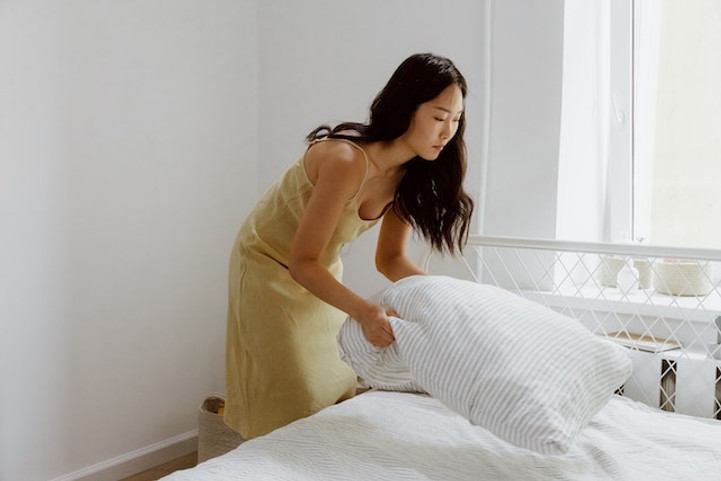
Over time, pillows and mattresses collect dust mites, sweat, and allergens.
Health concern:
Allergies, skin irritation, and poor sleep quality.
How to check:
- Look for lumps, odors, or increased allergy symptoms
- Consider age (over 2–3 years for pillows)
Safe tip:
Wash covers regularly and replace old bedding.
5. Plastic Food Containers
Some plastics may release chemicals, especially when heated or damaged.
Health concern:
Potential exposure to harmful compounds.
How to check:
- Look for cracks, stains, or warping
- Check if labeled BPA-free
Safe tip:
Use glass or stainless steel for hot food.
6. Cleaning Products
Many cleaning products contain strong chemicals that can irritate the skin and lungs.
Health concern:
Respiratory issues and skin sensitivity.
How to check:
- Strong chemical smell
- Irritation after use
Safe tip:
Use gloves, ventilate rooms, and avoid mixing products.
7. Carpets and Rugs
Carpets trap dust, allergens, and even pollutants from outside.
Health concern:
Breathing issues and allergies.
How to check:
- Visible dust or worsening allergy symptoms
- Odor buildup
Safe tip:
Vacuum frequently and deep clean regularly.
8. Mold in Hidden Areas
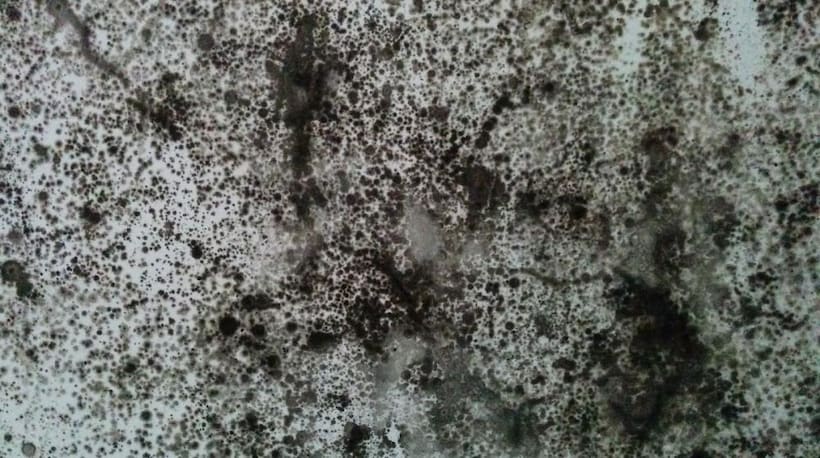
Mold often grows in damp, hidden areas like bathrooms or under sinks.
Health concern:
Respiratory problems and allergic reactions.
How to check:
- Musty smell
- Dark spots in corners or walls
Safe tip:
Keep areas dry and clean mold with proper protection.
9. Old Toothbrushes
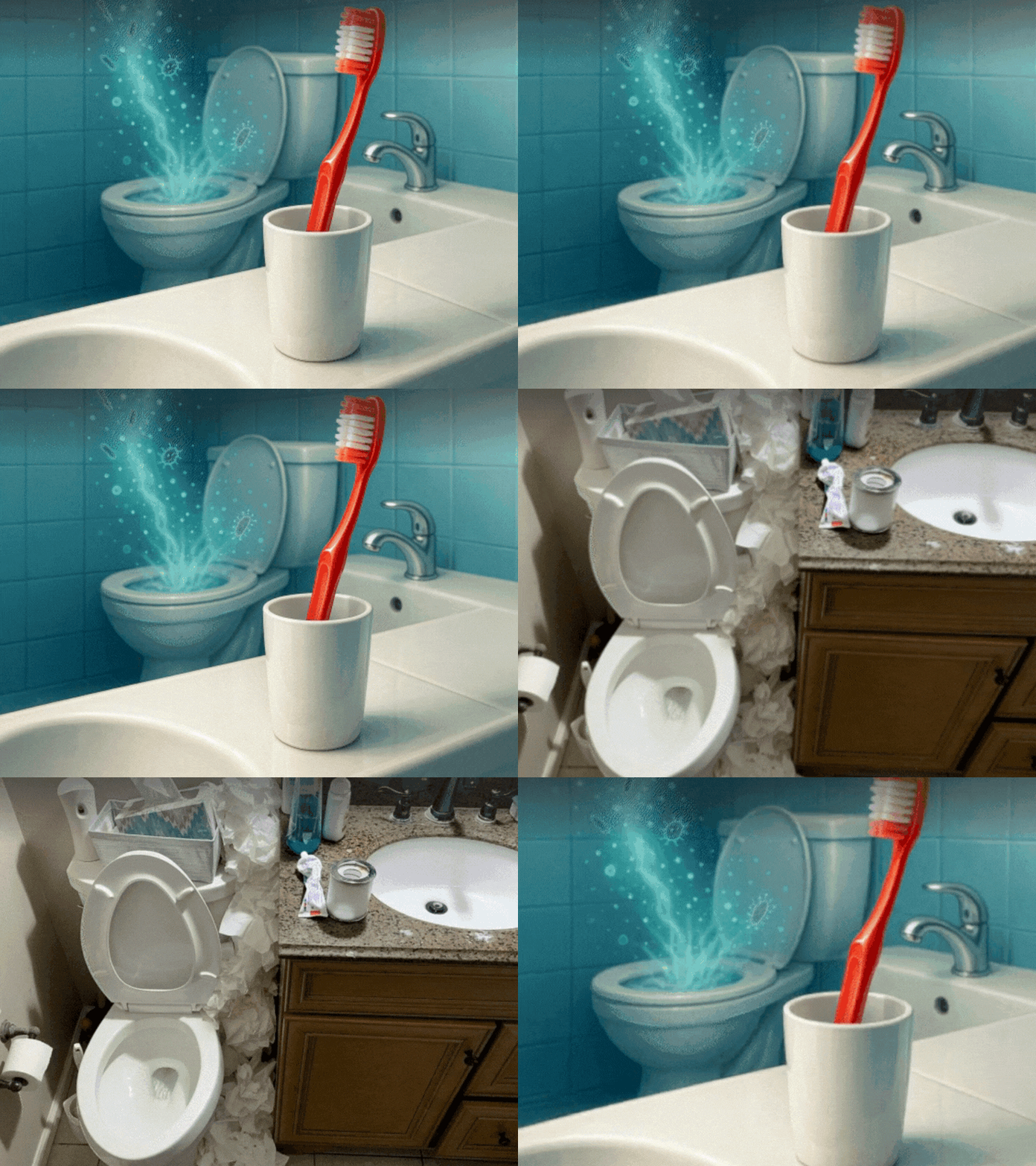
Toothbrushes wear out and can accumulate bacteria over time.
Health concern:
Reduced cleaning effectiveness and oral hygiene issues.
How to check:
- Frayed bristles
- Age over 3 months
Safe tip:
Replace regularly and store in a dry place.
Final Thoughts
A healthy home is not just about what looks clean - it’s about what is truly safe over time. Many everyday items can quietly impact health, but with simple awareness and regular checks, these risks can be minimized.
Small changes in daily habits—like replacing worn items, improving ventilation, and choosing safer alternatives—can make a meaningful difference. Sometimes, protecting your health starts with paying attention to the things you use every day.