Noticing red spots on your skin can be unsettling, especially when they seem to appear suddenly without a clear cause. These spots may range from tiny pinpoints to larger patches, and while some are harmless, others can signal underlying health concerns. Understanding what these red spots mean is essential for recognizing when to relax and when to take action.
What Are Red Spots on the Skin?
Red spots are visible changes in the skin’s color caused by inflammation, irritation, broken blood vessels, or abnormal growths. They can appear anywhere on the body and may be flat or raised, itchy or painless, temporary or persistent.
The key to identifying their cause lies in observing their size, shape, texture, and accompanying symptoms.
Common Causes of Red Spots
1. Allergic Reactions
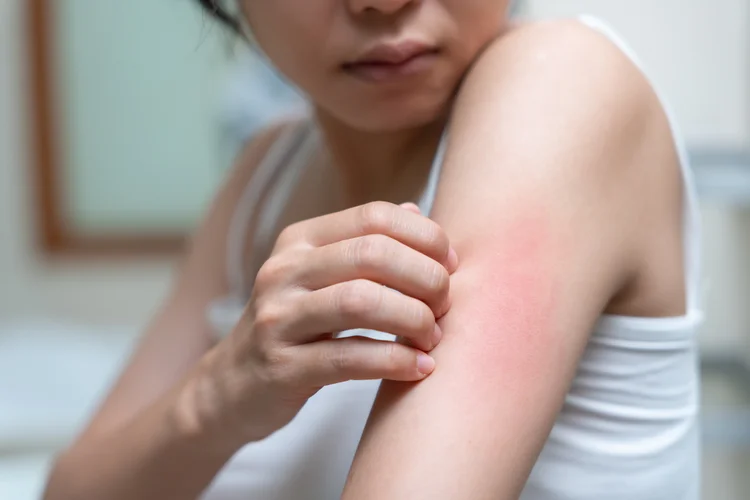
Allergies are one of the most frequent reasons for red spots. These can be triggered by:
- Certain foods
- Skincare or cosmetic products
- Medications
- Environmental factors like pollen or dust
Allergic reactions often cause itching, swelling, or hives. The spots may appear quickly and spread across different areas of the body.
2. Heat Rash (Prickly Heat)

In hot and humid conditions, sweat can become trapped in the skin, leading to a heat rash. This condition is common in tropical climates and among people who sweat heavily.
Symptoms include:
- Small red bumps
- A prickling or stinging sensation
- Mild itching
Heat rash usually resolves on its own once the skin is kept cool and dry.
3. Broken Capillaries and Petechiae

Tiny red or purple dots that do not fade when pressed may be petechiae, caused by small blood vessels breaking under the skin.
These can occur due to:
- Physical strain (coughing, vomiting, heavy lifting)
- Minor injuries
- Certain infections or medical conditions
While often harmless, persistent or widespread petechiae should be evaluated by a healthcare professional.
4. Insect Bites

Insect bites can leave behind red, itchy bumps that may appear in clusters or lines. Mosquitoes, bed bugs, and fleas are common culprits.
Typical signs include:
- Itching or irritation
- Swelling around the bite
- A visible puncture mark
Most bites are harmless, though excessive scratching can lead to infection.
5. Skin Conditions and Infections
Certain skin disorders can also cause red spots, including:
- Eczema – dry, inflamed, itchy patches
- Psoriasis – thick, scaly red areas
- Fungal infections – often ring-shaped and itchy
- Viral rashes – sometimes accompanied by fever
These conditions may require medical treatment depending on their severity.
6. Cherry Angiomas
Cherry angiomas are small, bright red spots caused by clusters of blood vessels. They are:
- Usually harmless
- More common with age
- Not associated with pain or itching
Although benign, some people choose to remove them for cosmetic reasons.
When Should You Be Concerned?
While many red spots are harmless, certain warning signs should not be ignored:
- Spots that spread rapidly
- Persistent or worsening symptoms
- Pain, fever, or fatigue
- Unexplained bruising or bleeding
- Spots that do not fade when pressed
These symptoms could indicate a more serious condition and warrant medical attention.
How to Prevent Red Spots
Preventive measures depend on the underlying cause, but general tips include:
- Keeping the skin clean and hydrated
- Avoiding known allergens
- Wearing breathable clothing in hot weather
- Using insect repellent when needed
- Maintaining a balanced diet to support skin health
Final Thoughts
Red spots on the skin can range from minor irritations to important warning signs. While many cases are harmless and temporary, understanding the potential causes helps in making informed decisions about your health.
The skin often reflects what is happening inside the body. Paying attention to these small changes can provide valuable insights—and sometimes, early warnings that should not be overlooked.