Be Careful: If You Get These Bruises on Your Body, Here’s What It Could Mean
Bruises are common and usually harmless. We all get them occasionally from bumping into something or minor injuries. However, unexplained or unusual bruises—especially in certain areas—can be a warning sign that something more serious is going on inside your body.
If you notice bruises that appear without a clear cause, change in color, or keep coming back, it’s important to pay attention. Here’s what your body might be trying to tell you.
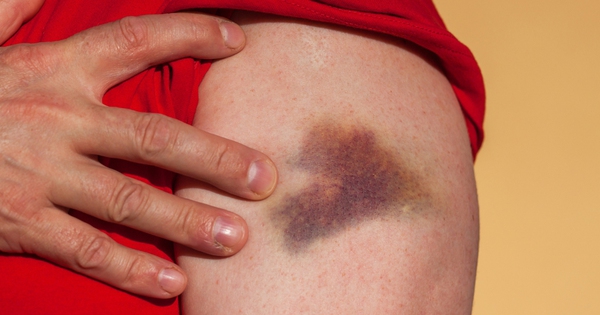
1. Bruises on the Arms or Legs
Small bumps and scrapes are typical causes for bruising on limbs, but if you frequently notice bruises without injury, it could indicate:
- Vitamin deficiencies: Lack of vitamin C or K can make your blood vessels more fragile, causing easy bruising.
- Blood disorders: Conditions like hemophilia or low platelet counts may prevent your blood from clotting properly.
Tip: If bruises keep appearing on arms or legs with no explanation, talk to a doctor about checking your vitamin levels and blood count.
2. Bruises on the Torso or Back
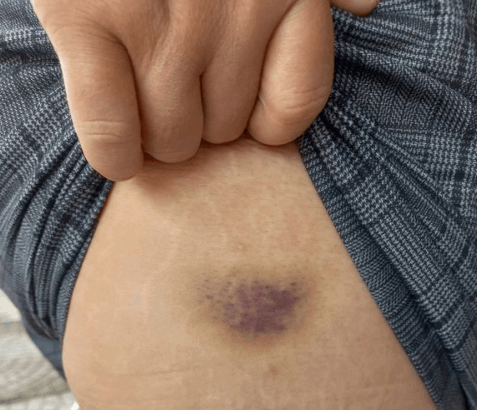
Bruises on the torso, stomach, or back are less common and should not be ignored, as these areas are not typically prone to accidental injury. Possible causes include:
- Internal bleeding or trauma: Could indicate injury to organs or muscles.
- Blood clotting disorders: Diseases like leukemia or other blood cancers can lead to spontaneous bruising.
- Medication side effects: Blood thinners, aspirin, or corticosteroids can make bruising easier.
3. Bruises on the Face
While minor falls or bumps can cause facial bruising, frequent or unexplained bruising on the cheeks, under the eyes, or around the nose could be a red flag:
- High blood pressure or fragile capillaries: Small vessels in your face can break easily under stress or strain.
- Abuse or trauma: Repeated unexplained facial bruises can sometimes be a sign of physical abuse, especially if you cannot recall an injury.
4. Large or Painful Bruises

Bruises that are larger than usual, very painful, or take longer to heal may indicate:
- Blood clotting disorders like thrombocytopenia.
- Vitamin deficiencies, particularly vitamin C, which weakens connective tissue.
- Certain medications, including anticoagulants and chemotherapy drugs.
5. Purple or Red Spots That Don’t Fade
If your bruises don’t follow the normal healing pattern—changing from red to purple, then green, yellow, and brown—they may be a sign of:
- Platelet disorders
- Leukemia or other blood-related conditions
- Vascular fragility due to chronic illnesses
When to See a Doctor
Seek medical attention immediately if you notice any of the following:
- Bruises appearing frequently or without explanation
- Bruises that are very painful or unusually large
- Bruises accompanied by other symptoms, such as fatigue, fever, bleeding gums, or unexplained weight loss
- Bruises in unusual locations like the torso, back, or face
Your doctor may order blood tests, vitamin level checks, or imaging scans to rule out serious conditions.
How to Reduce Unexplained Bruising
- Eat a nutrient-rich diet: Include foods high in vitamin C, K, and zinc.
- Avoid excessive medications that thin the blood unless prescribed.
- Protect your skin: Wear protective clothing during sports or physical activities.
- Manage underlying conditions: If you have diabetes, hypertension, or clotting disorders, work with your doctor to keep them under control.
Bottom Line
While most bruises are harmless, unexplained, frequent, or unusually large bruises may signal something serious. Pay attention to where and how your bruises appear, and consult a healthcare professional if you notice anything unusual.
Your body often sends subtle signals when something isn’t right—don’t ignore them. Early detection can make a big difference in preventing more serious health problems.