For decades, lung cancer has been strongly associated with smoking. It has long been considered a disease primarily affecting smokers or former smokers. However, a concerning shift is taking place: an increasing number of people who have never smoked are now being diagnosed with lung cancer.
This trend has puzzled researchers and raised important questions about what else might be contributing to the disease. Understanding these hidden risk factors is crucial - not only for prevention but also for early detection and awareness.

A Changing Pattern in Lung Cancer Cases
Traditionally, smoking has been the leading cause of lung cancer, responsible for the majority of cases worldwide. Yet, recent data suggests that a growing percentage of diagnoses now occur in non-smokers.
In fact, lung cancer in people who have never smoked is now considered one of the leading causes of cancer-related deaths globally when viewed as a separate category. This highlights a critical need to look beyond tobacco and examine other contributing factors.
1. Air Pollution: An Invisible Threat
Air pollution is one of the most significant risk factors for lung cancer in non-smokers. Tiny particles known as PM2.5 can penetrate deep into the lungs, causing inflammation and long-term damage.
Sources of air pollution include:
- Vehicle emissions
- Industrial activity
- Burning of fossil fuels
- Construction dust
Long-term exposure to polluted air has been linked to an increased risk of developing lung cancer, even in individuals who have never touched a cigarette.
2. Secondhand Smoke Exposure
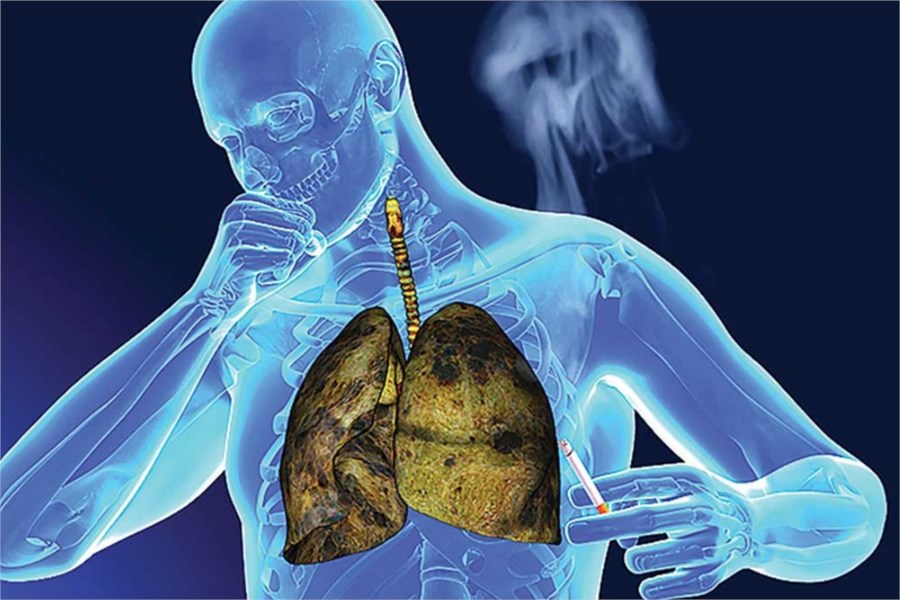
Even if someone has never smoked, being around smokers can still pose serious health risks. Secondhand smoke contains many of the same toxic chemicals found in directly inhaled tobacco smoke.
Regular exposure - whether at home, work, or in public spaces - can significantly increase the likelihood of developing lung cancer over time.
3. Indoor Air Pollution and Cooking Fumes
In many households, especially where ventilation is limited, indoor air pollution can be a major concern. Cooking with high heat, particularly frying with oil, can release harmful fumes.
Additionally, the use of biomass fuels such as wood or charcoal for cooking or heating can produce smoke that damages lung tissue over time.
This is especially relevant in regions where traditional cooking methods are still widely used.
4. Genetic Factors
Genetics may also play a role in lung cancer among non-smokers. Certain genetic mutations can increase susceptibility to the disease, even in the absence of environmental risk factors.
In some cases, these mutations affect how cells grow and divide, leading to uncontrolled cell growth. Advances in medical research have made it possible to identify specific genetic changes and develop targeted treatments.
5. Radon Gas Exposure
Radon is a naturally occurring radioactive gas that can accumulate in buildings, particularly in poorly ventilated areas. It is colorless, odorless, and invisible—making it difficult to detect without proper testing.
Long-term exposure to high levels of radon is a known cause of lung cancer and is considered one of the leading risk factors among non-smokers in some countries.
6. Occupational Hazards
Certain work environments expose individuals to harmful substances that can increase lung cancer risk. These include:
- Asbestos
- Diesel exhaust
- Chemical fumes
- Silica dust
Without proper protective measures, long-term exposure can lead to serious respiratory conditions, including cancer.
Early Symptoms to Watch For
One of the challenges with lung cancer is that early symptoms are often subtle or mistaken for common respiratory issues. Warning signs may include:
- Persistent cough
- Shortness of breath
- Chest pain
- Unexplained weight loss
- Fatigue
Because these symptoms can appear gradually, they are sometimes ignored until the disease has progressed.
Prevention and Awareness
While not all risk factors can be eliminated, there are steps that can help reduce the risk:
- Improving indoor ventilation
- Avoiding exposure to secondhand smoke
- Monitoring air quality
- Testing homes for radon
- Using protective equipment in hazardous workplaces
Awareness is key. Understanding that lung cancer can affect non-smokers encourages earlier screening and more proactive health choices.
Final Thoughts
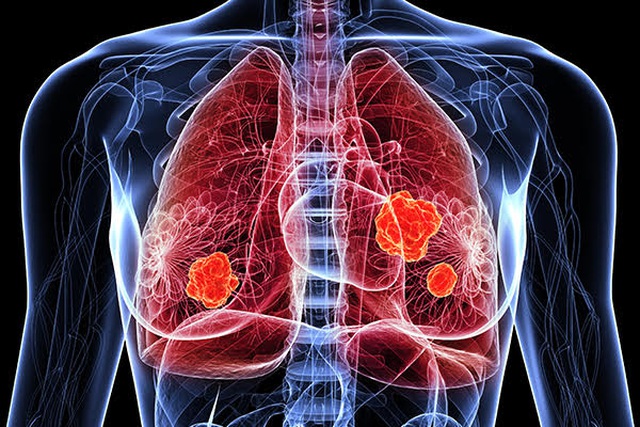
The rise of lung cancer in people who have never smoked challenges long-standing assumptions about the disease. It reveals a more complex reality where environmental, genetic, and lifestyle factors all play a role.
This shift is a reminder that health risks are not always visible or obvious. By paying attention to hidden dangers—like air quality and indoor environments—it becomes possible to take meaningful steps toward prevention.
Sometimes, the biggest threats are the ones that cannot be seen—but understanding them can make all the difference.