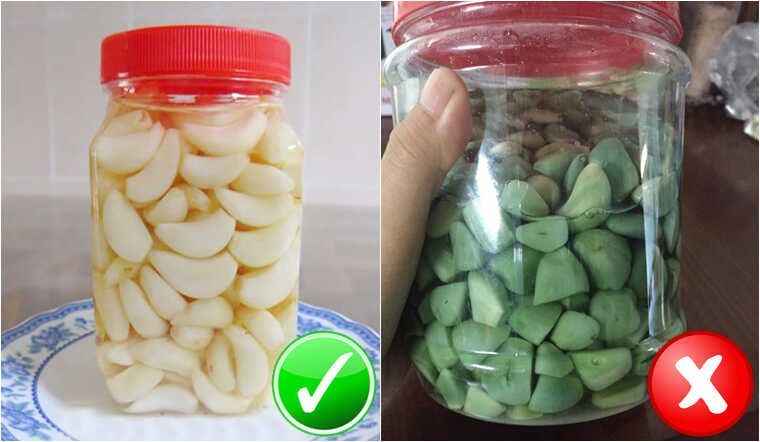
Pickled garlic is a beloved condiment in many cuisines, known for its tangy flavor, crunchy texture, and impressive shelf life. However, anyone who has tried making it at home may have encountered common issues: garlic turning green or blue, becoming soft, or spoiling too quickly.
The truth is, achieving perfectly pickled garlic isn’t complicated—but it does require one crucial step that many people overlook. When done correctly, this step helps preserve the garlic’s natural white color, maintain its crisp texture, and extend its storage life.

Why Does Garlic Turn Green or Blue?
Before diving into the solution, it’s important to understand the problem.
Garlic can sometimes turn green or bluish during pickling due to a natural chemical reaction. When garlic is exposed to acidic environments (like vinegar), sulfur compounds in the garlic react with trace minerals, forming colored pigments.
This discoloration is generally harmless, but it can be unappealing and raise concerns about quality.
The Key Step: Soaking Garlic Before Pickling
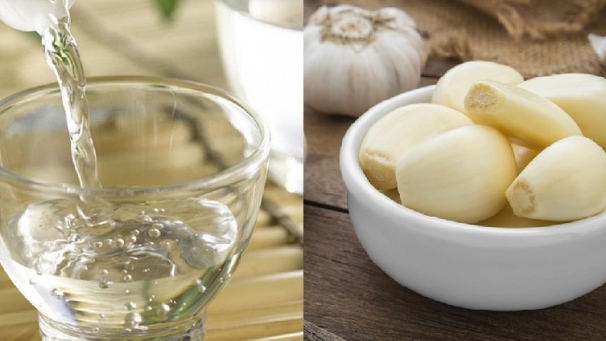
The often-missed step is soaking the peeled garlic cloves in clean water (or lightly salted water) before pickling.
How It Works:
- Soaking helps remove excess enzymes and sulfur compounds
- It reduces the intensity of chemical reactions that cause discoloration
- It helps stabilize the garlic’s structure, keeping it firm and crisp
Recommended Method:
- Peel the garlic cloves
- Soak them in water for several hours (or overnight)
- Optionally add a small amount of salt to the water
- Drain and dry before pickling
This simple step can make a significant difference in the final result.
Additional Tips for White, Crisp Pickled Garlic
While soaking is essential, a few additional techniques can further improve quality.
1. Use Fresh, High-Quality Garlic
Fresh garlic is firmer and contains fewer breakdown compounds.
Look for:
- Firm, tight cloves
- No sprouting
- No soft spots
Older garlic is more likely to discolor and lose texture.
2. Choose the Right Vinegar
The type of vinegar matters.
Clear vinegars, such as:
- White vinegar
- Rice vinegar
are ideal because they:
- Preserve the natural color
- Provide a clean, mild flavor
Avoid dark vinegars if you want to keep the garlic white.
3. Control the Temperature
Temperature affects both texture and color.
- Avoid exposing garlic to high heat for too long
- Let pickling solutions cool slightly before pouring
Excessive heat can soften the cloves and increase the chance of discoloration.
4. Maintain Proper Salt and Sugar Balance
Salt and sugar are not just for flavor—they also help preserve the garlic.
They can:
- Enhance texture
- Inhibit bacterial growth
- Balance acidity
Using the right proportions helps extend shelf life.
5. Use Clean, Sterilized Containers
Hygiene is critical when pickling.
Always:
- Sterilize jars and lids
- Use clean utensils
- Avoid contamination
This reduces the risk of spoilage and ensures longer storage.
How Long Does Pickled Garlic Last?
When prepared properly and stored in a cool place or refrigerator, pickled garlic can last:
- Several weeks to months
Over time, the flavor will deepen, and the garlic may become even more enjoyable.
Is Discolored Garlic Safe to Eat?
If garlic turns slightly green or blue, it is usually still safe to consume. However, changes in:
- Smell
- Texture
- Taste
may indicate spoilage. When in doubt, it’s best to discard it.
Final Thoughts
Perfect pickled garlic isn’t about complicated techniques - it’s about understanding small details that make a big difference. The simple step of soaking garlic before pickling can help prevent discoloration, maintain crispness, and improve overall quality.
Combined with proper ingredients, clean preparation, and balanced seasoning, this method ensures a batch of pickled garlic that looks appealing, tastes delicious, and lasts longer.
Sometimes, the secret to better results lies not in doing more - but in doing one small step the right way.