As global temperatures continue to rise, many people are searching for effective ways to stay cool without relying heavily on air conditioning. In Japan, where summers can be intensely hot and humid, a surprisingly simple and budget-friendly trick has gained popularity: using just two bottles of frozen water to cool down a room. This method not only reduces electricity consumption but also helps households save money while staying comfortable.
Why People Are Looking for Alternatives to Air Conditioning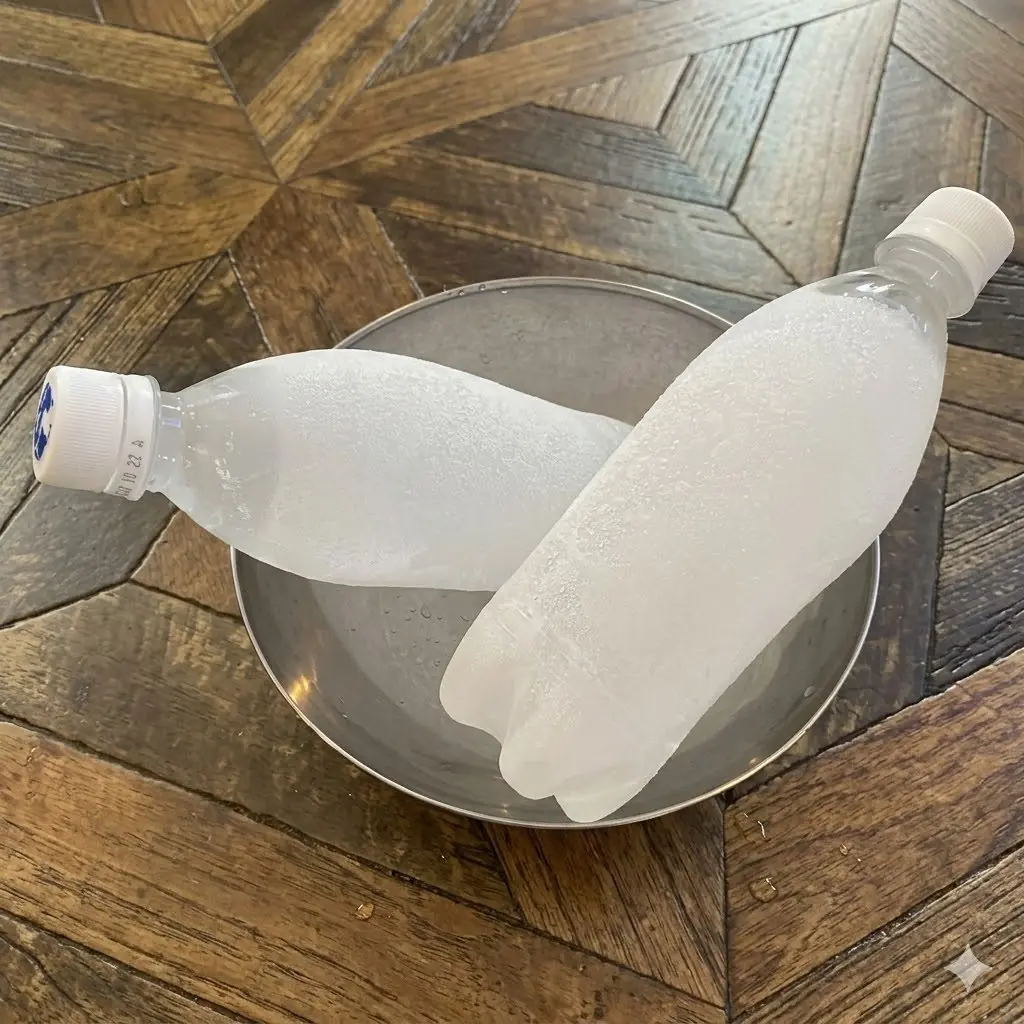
Air conditioners are undoubtedly effective, but they come with downsides. Continuous use can lead to high electricity bills, increased environmental impact, and even health issues such as dry skin or respiratory discomfort.
In countries like Japan, where energy efficiency is highly valued, people are constantly exploring smarter ways to stay cool. This has led to the rise of practical, low-cost solutions that anyone can try at home.
The Two-Bottle Cooling Method Explained
The idea behind this method is simple yet effective. All you need are two plastic bottles filled with water and frozen solid.
How It Works:
- Fill two bottles with water (leave some space for expansion).
- Place them in the freezer until completely frozen.
- Put the frozen bottles in a bowl or tray to catch condensation.
- Position them in your room—preferably in front of a fan or near where you sit.
As the ice melts, it absorbs heat from the surrounding air, creating a localized cooling effect. When combined with a fan, the cool air is circulated more effectively, making the room feel significantly more comfortable.
The Science Behind the Trick
This method works based on a basic principle of physics: heat absorption during melting. Ice requires energy (heat) to change from solid to liquid, and it pulls that heat from the surrounding environment.
In addition, condensation forms on the surface of the bottles, which also contributes to cooling the air nearby. When air passes over the cold surface—especially with a fan—it becomes cooler before reaching you.
While it won’t replace an air conditioner entirely, it can noticeably reduce the perceived temperature in a small space.
Benefits of This Cooling Hack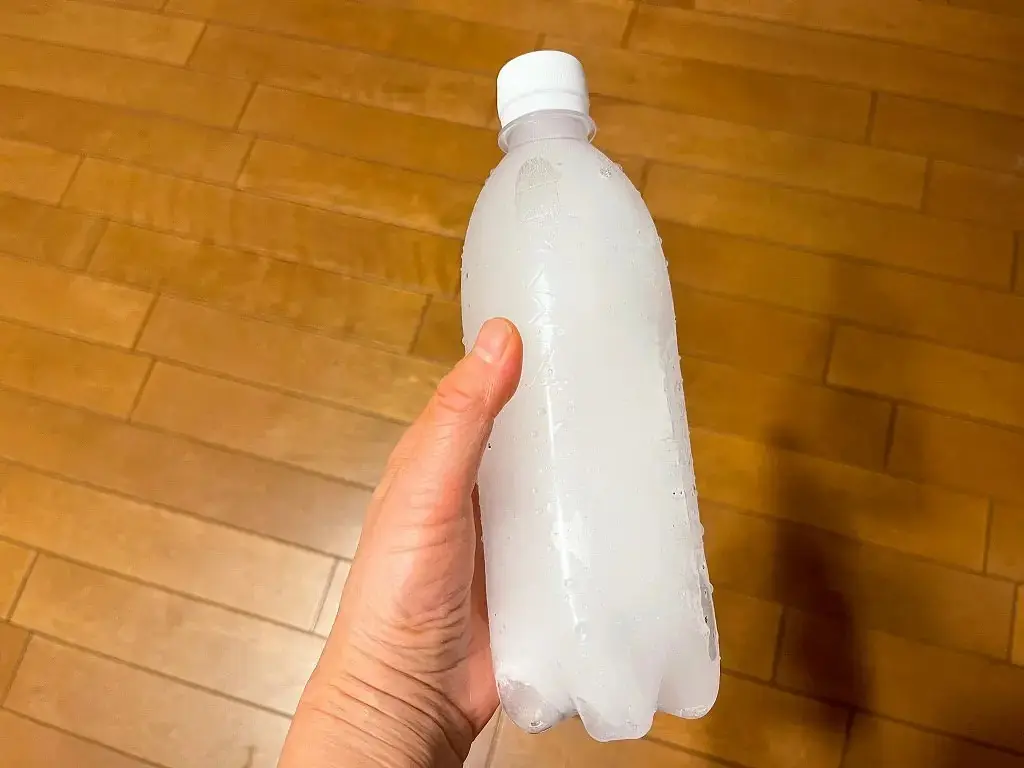
1. Energy Efficiency
This method uses no electricity beyond your freezer, making it far more efficient than running an AC unit all day.
2. Cost Savings
By reducing reliance on air conditioning, households can save a significant amount on electricity bills—especially during peak summer months.
3. Eco-Friendly
Lower energy consumption means a smaller carbon footprint, making this an environmentally responsible choice.
4. Easy and Accessible
No special equipment is required—just common household items.
Tips to Maximize the Cooling Effect
To get the best results from this trick, consider the following tips:
- Use larger bottles for longer-lasting cooling
- Place bottles in front of a fan to spread cool air
- Close windows and curtains during the hottest part of the day
- Use multiple sets of bottles and rotate them as they melt
- Combine with good ventilation at night for better airflow
These small adjustments can significantly enhance the effectiveness of the method.
Limitations You Should Know
While helpful, this trick is not a complete replacement for air conditioning in extreme heat. It works best in:
- Small rooms or personal spaces
- Moderate heat conditions
- Short-term cooling needs
In very high temperatures or large spaces, the effect may be limited. However, it still serves as a great supplemental cooling method.
A Growing Trend in Smart Living
This Japanese cooling trick reflects a broader trend toward smart, sustainable living. Instead of relying solely on energy-intensive appliances, people are rediscovering simple, science-based solutions that are both effective and environmentally friendly.
In a world where energy costs are rising and climate concerns are increasing, such small innovations can make a meaningful difference.
Final Thoughts
Staying cool during hot weather doesn’t always require expensive technology or high electricity usage. Sometimes, the simplest solutions—like two frozen water bottles—can offer surprising relief.
By combining this method with other smart habits, you can stay comfortable, save money, and reduce your environmental impact all at once. It’s a reminder that innovation doesn’t have to be complicated—it just has to work.