Preventing Stroke and Cerebral Infarction: 3 Key Health Indicators, 1 Critical Warning, and 6 Things You Should Never Ignore
Stroke and cerebral infarction are among the leading causes of death and long-term disability worldwide. What makes them especially dangerous is that they often develop silently, with warning signs that are easy to overlook.
Health experts emphasize that recognizing early indicators and maintaining the right habits can significantly reduce the risk.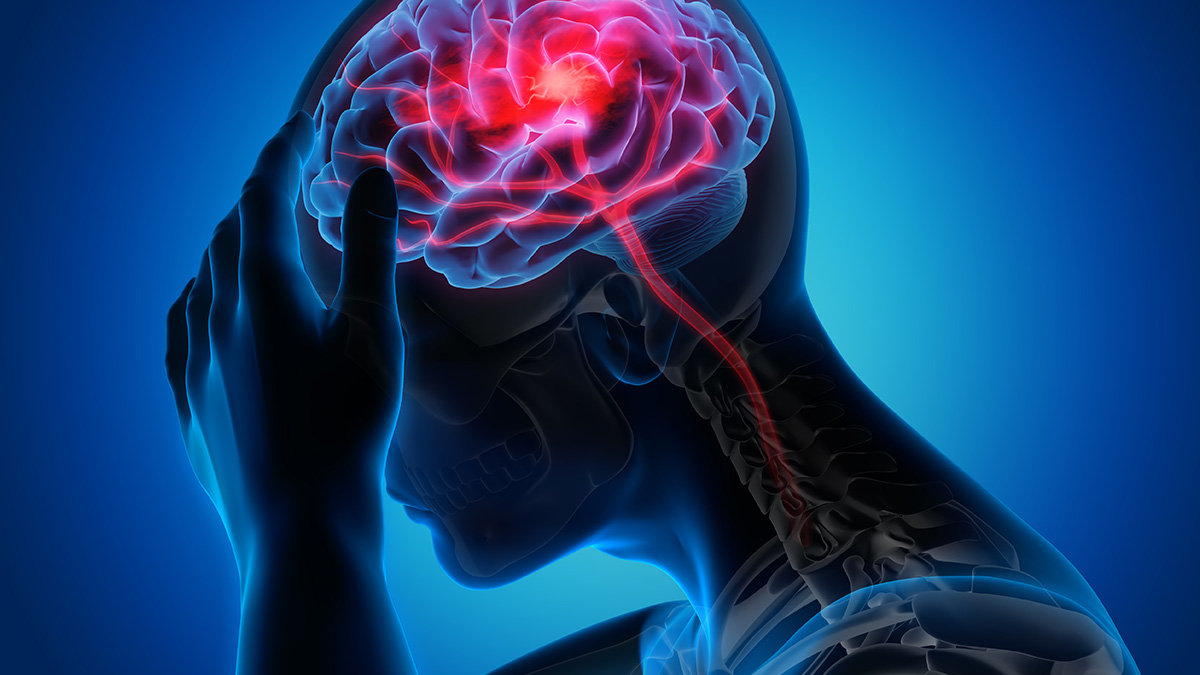
3 Important Health Indicators You Should Monitor
1. Blood Pressure
High blood pressure is one of the biggest risk factors for stroke.
If your blood pressure is consistently elevated, it can:
- Damage blood vessels
- Increase the risk of clot formation
- Lead to sudden vascular events
Regular monitoring is essential, especially for adults over 40.
2. Blood Sugar Levels
Uncontrolled blood sugar can damage blood vessels over time.
People with high blood sugar or diabetes are more likely to:
- Develop atherosclerosis
- Experience reduced blood flow to the brain
- Face a higher risk of stroke
Keeping blood sugar stable is crucial for long-term health.
3. Blood Lipids (Cholesterol)
High cholesterol levels contribute to plaque buildup in arteries.
This can:
- Narrow blood vessels
- Block blood flow
- Trigger cerebral infarction
A healthy diet and regular check-ups can help control lipid levels.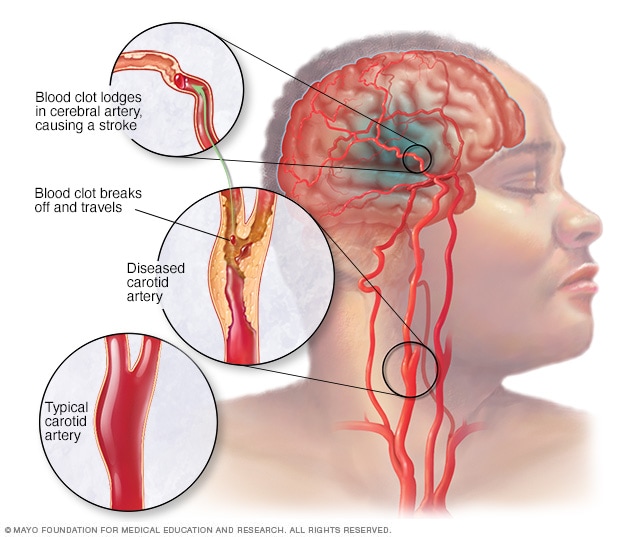
1 Critical Condition You Must Never Ignore
Atherosclerosis (Hardening of the Arteries)
This condition develops when plaque builds up inside the arteries, restricting blood flow.
Warning signs may include:
- Dizziness
- Headaches
- Numbness or weakness
If untreated, it can lead to severe complications such as stroke or heart attack.
6 Warning Signs You Should Not Overlook
Recognizing early symptoms can save lives. Seek medical attention if you experience:
- Sudden numbness or weakness (especially on one side of the body)
- Difficulty speaking or understanding speech
- Sudden vision problems
- Severe headache with no clear cause
- Loss of balance or coordination
- Dizziness or fainting
These may be early signs of a stroke and require immediate action.
How to Reduce Your Risk
Experts recommend adopting healthy lifestyle habits such as:
- Maintaining a balanced diet
- Exercising regularly
- Avoiding smoking and excessive alcohol
- Managing stress effectively
- Getting regular health screenings
Small changes can make a significant difference in preventing serious conditions.
Conclusion
Stroke and cerebral infarction often develop quietly but can have devastating consequences. By paying attention to key health indicators, recognizing warning signs early, and maintaining a healthy lifestyle, you can significantly reduce your risk.
Prevention starts with awareness—and acting before it’s too late.