Flies and mosquitoes are more than just annoying - they can disrupt your comfort, spread bacteria, and in some cases, carry diseases. While many people turn to chemical sprays or electric repellents, there’s a growing interest in natural, low-cost solutions that are safer for both humans and the environment.
One traditional and surprisingly effective method is using certain plant leaves known for their strong scents and natural repellent properties. By simply hanging a handful of these leaves near your door, you can create a barrier that helps keep unwanted insects away.
Why Do Leaves Repel Insects?
Many plants produce essential oils and natural compounds as a defense mechanism against pests. These compounds often have strong aromas that interfere with insects’ ability to locate food or breeding areas.
Mosquitoes and flies rely heavily on their sense of smell. When exposed to strong plant-based scents, they become disoriented and tend to avoid those areas altogether.
This is why certain leaves, when placed strategically, can act as a natural insect deterrent.
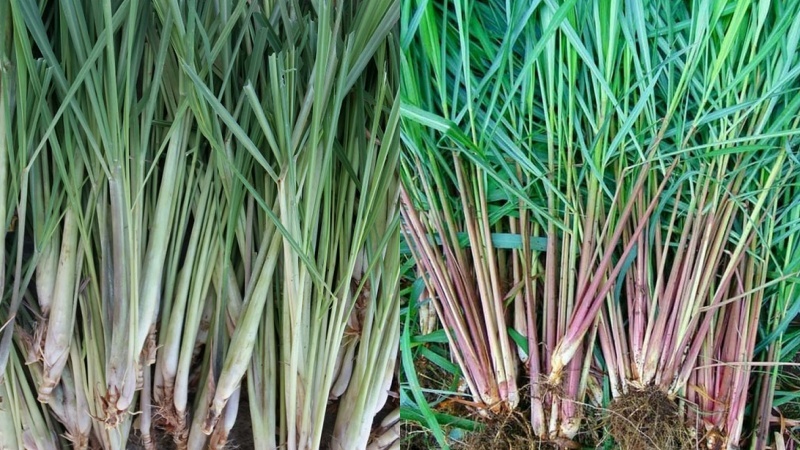
1. Lemongrass Leaves
Cymbopogon is one of the most well-known natural insect repellents.
Why it works:
- Contains citronella, a compound widely used in mosquito repellents
- Emits a strong citrus scent that insects dislike
How to use:
- Tie fresh lemongrass leaves into small bundles
- Hang them near doors, windows, or entryways
This is especially effective in warm climates where mosquitoes are more active.
2. Neem Leaves
Azadirachta indica has been used for centuries in traditional practices for pest control.
Benefits:
- Strong natural insect-repelling properties
- Helps deter both flies and mosquitoes
Usage:
- Hang fresh neem leaves at the entrance
- Replace them regularly to maintain effectiveness
Neem’s bitter compounds make it highly unappealing to many insects.
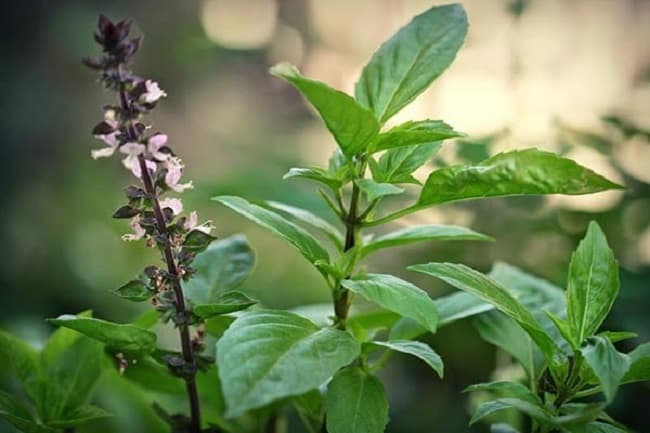
3. Basil Leaves
Ocimum basilicum is not only a popular kitchen herb but also a natural insect repellent.
Why it helps:
- Produces a strong aroma that repels flies and mosquitoes
- Easy to grow and maintain
How to apply:
- Hang fresh basil bundles
- Or place potted basil plants near your doorway
It’s a simple and decorative way to keep pests away.
4. Mint Leaves
Mentha is another powerful natural option.
Key advantages:
- Strong, refreshing scent that insects avoid
- Can help repel a variety of pests
Tips:
- Crush the leaves slightly before hanging to release more aroma
- Replace frequently for best results
Mint is especially effective in smaller, enclosed spaces.
5. Eucalyptus Leaves
Eucalyptus contains compounds known for their insect-repelling properties.
Why it works:
- Strong scent disrupts insect sensory systems
- Often used in natural sprays and oils
How to use:
- Hang dried or fresh leaves at entry points
- Combine with other leaves for a stronger effect
How to Maximize Effectiveness
To get the best results from this method:
- Use fresh leaves whenever possible
- Replace them every few days as the scent fades
- Hang them at entry points like doors and windows
- Combine multiple types of leaves for a stronger barrier
Consistency is key—natural methods work best when maintained regularly.
Additional Tips to Keep Insects Away
While leaves can help, combining them with other habits will improve results:
- Keep your surroundings clean
- Avoid leaving food exposed
- Remove standing water (a breeding ground for mosquitoes)
- Use screens on windows and doors
A clean environment makes your home less attractive to pests.
Important Note
Natural remedies like these are helpful but not always 100% effective, especially in areas with heavy insect populations. They work best as a preventive measure rather than a complete solution.
If you’re dealing with a serious infestation, additional methods may be necessary.

Final Thoughts
Using plant leaves to repel flies and mosquitoes is a simple, eco-friendly solution rooted in traditional knowledge. It’s affordable, safe, and easy to apply, making it a great option for everyday use.
Sometimes, the most effective solutions are also the most natural. With just a handful of the right leaves, you can create a fresher, more comfortable space—without relying on harsh chemicals.