⚠️ A Silent Disease That Often Goes Unnoticed
Nasopharyngeal cancer is not as widely discussed as other types of cancer, yet it can be just as serious — if not more dangerous due to how quietly it develops.
Located in the nasopharynx (the upper part of the throat behind the nose), this cancer often grows without obvious early symptoms. By the time noticeable signs appear, the condition may already be advanced.
That’s why awareness is critical.

🧠 What Is Nasopharyngeal Cancer?
Nasopharyngeal cancer begins in the tissues of the nasopharynx — an area that plays a role in breathing, speaking, and connecting the nose to the throat.
Because of its hidden location, tumors in this region can:
- Grow without being easily seen
- Cause symptoms that mimic common illnesses
- Be overlooked or misdiagnosed early on
👉 This makes early detection more challenging.
🚨 Common Symptoms You Should Never Ignore
In its early stages, symptoms may be subtle or mistaken for minor issues. However, persistent or unusual signs should raise concern.
Key warning signs include:
- A persistent blocked or stuffy nose (often on one side)
- Nosebleeds without clear reason
- Hearing problems or a feeling of fullness in one ear
- Frequent headaches
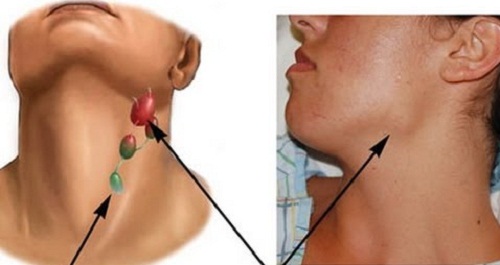
- A lump in the neck (due to swollen lymph nodes)
👉 These symptoms may seem harmless individually — but together, they can signal something more serious.
⚠️ Risk Factors to Be Aware Of
Certain factors may increase the likelihood of developing nasopharyngeal cancer.
1. Genetic Predisposition
A family history of this condition can raise risk.
2. Dietary Habits
Consumption of certain preserved or salted foods has been linked to higher risk in some populations.
3. Viral Infections
The Epstein-Barr virus (EBV) has been associated with this type of cancer.
4. Environmental Exposure
Long-term exposure to:
- Smoke
- Dust
- Chemical fumes
may contribute to risk.
👉 Risk factors don’t guarantee disease — but they increase vulnerability.
🧬 Why It’s Often Diagnosed Late
One of the biggest challenges with nasopharyngeal cancer is that its symptoms overlap with common conditions like:
- Sinus infections
- Allergies
- Ear infections
This can lead to:
- Delayed medical attention
- Misdiagnosis
- Progression of the disease
👉 That’s why persistence and unusual patterns matter more than intensity.
🛡️ How to Protect Yourself
While not all cases can be prevented, there are steps you can take to reduce your risk.
Healthy Lifestyle Choices
- Eat a balanced diet rich in fresh foods
- Limit processed and heavily preserved foods
- Avoid smoking and secondhand smoke
Environmental Awareness
- Reduce exposure to harmful chemicals and pollutants
Regular Health Check-Ups
- Don’t ignore persistent symptoms
- Seek medical advice if something feels “off”
👉 Early action can make a life-saving difference.
🔍 When Should You See a Doctor?
You should consider medical evaluation if:
- Symptoms last more than a few weeks
- You notice a lump in your neck
- You experience unexplained ear or nasal issues
👉 It’s always better to check early than regret later.

🌱 Final Thoughts
Nasopharyngeal cancer is often called a “silent disease” for a reason - it can develop quietly, with subtle signs that are easy to overlook.
But your body rarely sends signals without a reason.
Pay attention. Stay informed. Act early.
Because when it comes to your health, awareness is your strongest defense.