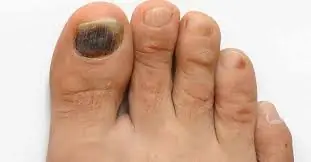
A black toenail can be alarming at first glance. Whether it appears suddenly after an injury or develops gradually over time, this condition often raises concerns about underlying health issues. While many cases are harmless and temporary, others may signal more serious problems that require medical attention.
This article explores the most common causes of black toenails, symptoms to watch for, and when you should seek professional help.
What Is a Black Toenail?
A black toenail refers to discoloration of the nail, typically ranging from dark brown to deep black. In many cases, this happens due to blood trapped beneath the nail, a condition known as a subungual hematoma.
However, discoloration can also result from infections, medical conditions, or even pigmentation changes in the nail.
1. Injury or Trauma: The Most Common Cause
The leading cause of a black toenail is physical trauma.
This can occur when:
- You stub your toe
- Drop something heavy on your foot
- Wear tight or poorly fitting shoes
- Engage in repetitive activities like running
These situations can cause bleeding under the nail, which appears dark as it dries.
Athletes often experience this condition, sometimes called “runner’s toe,” due to repeated pressure on the nail.
2. Fungal Infections
Fungal infections are another common reason for toenail discoloration.
Although they often cause yellow or white nails, severe or long-term infections can lead to dark spots or blackened areas.
Symptoms may include:
- Thickened nails
- Brittleness
- Unpleasant odor
- Debris under the nail
Fungi thrive in warm, moist environments, making feet particularly vulnerable.
3. Repetitive Pressure and Footwear Issues
Even without a clear injury, repeated pressure on the toenail can cause damage over time.
Common triggers include:
- Tight shoes
- Long-distance running
- Hiking or sports
This constant impact can lead to bruising under the nail, gradually turning it black.
4. Underlying Health Conditions
In some cases, a black toenail may be linked to broader health problems.
These include:
- Diabetes
- Anemia
- Circulation disorders
- Heart or kidney disease
Such conditions can affect blood flow or nail health, leading to discoloration.
If you notice changes in multiple nails or other symptoms, it is important to consult a doctor.
5. Melanoma: A Rare but Serious Cause
Although uncommon, a black toenail can sometimes indicate subungual melanoma, a type of skin cancer.
Warning signs include:
- A dark streak that spreads
- Irregular borders or color changes
- Pigment extending to surrounding skin
While most black toenails are not cancerous, any unusual or persistent discoloration should be evaluated by a medical professional.
6. Nutritional Deficiencies
Poor nutrition can also affect nail health.
Deficiencies in certain vitamins or minerals may cause:
- Weak or brittle nails
- Changes in nail color
- Slower nail growth
Though less common, this is another factor to consider when identifying the cause of discoloration.
When Should You Be Concerned?
Most black toenails caused by minor injuries will grow out naturally over time. However, you should seek medical attention if you experience:
- Severe pain or swelling
- Discoloration without known injury
- Changes that worsen or spread
- Signs of infection (pus, redness, warmth)
Early diagnosis is crucial, especially to rule out serious conditions like melanoma.
Treatment Options
Treatment depends on the underlying cause:
- Injury-related cases: Often heal on their own as the nail grows out
- Fungal infections: May require antifungal medications
- Severe bleeding: A doctor may need to drain trapped blood
- Medical conditions: Require targeted treatment
In some cases, the damaged nail may eventually fall off and regrow.
Prevention Tips
To reduce the risk of black toenails:
- Wear properly fitting shoes
- Keep toenails trimmed
- Maintain good foot hygiene
- Avoid prolonged moisture exposure
- Protect your feet during physical activities
Simple habits can go a long way in preventing nail damage.
Final Thoughts
A black toenail is usually not a cause for panic, but it should never be ignored. While trauma and infections are the most common reasons, more serious conditions can sometimes be involved.
Understanding the causes and paying attention to changes in your nails can help you take timely action. If in doubt, consulting a healthcare professional is always the safest choice.