Snakes are an important part of the ecosystem, helping control pests like rodents and insects. However, having them too close to your home can be unsettling and, in some cases, dangerous. While there are many chemical repellents available, more people are turning to natural, eco-friendly solutions - especially plants that are believed to discourage snakes from entering certain areas.
Although no plant can guarantee complete protection, some species are known for their strong scents, textures, or properties that make environments less appealing to snakes. Incorporating these plants into your garden can help create a natural barrier while also enhancing the beauty of your outdoor space.

1. Snake Plant (Mother-in-Law’s Tongue)
Dracaena trifasciata, commonly known as the snake plant, is often recommended as a natural deterrent.
Why it may help:
- Its sharp, upright leaves create an uncomfortable surface for snakes to move across
- It forms dense clusters that reduce hiding spaces
In addition to its potential repellent qualities, this plant is extremely low-maintenance and thrives in a variety of conditions.
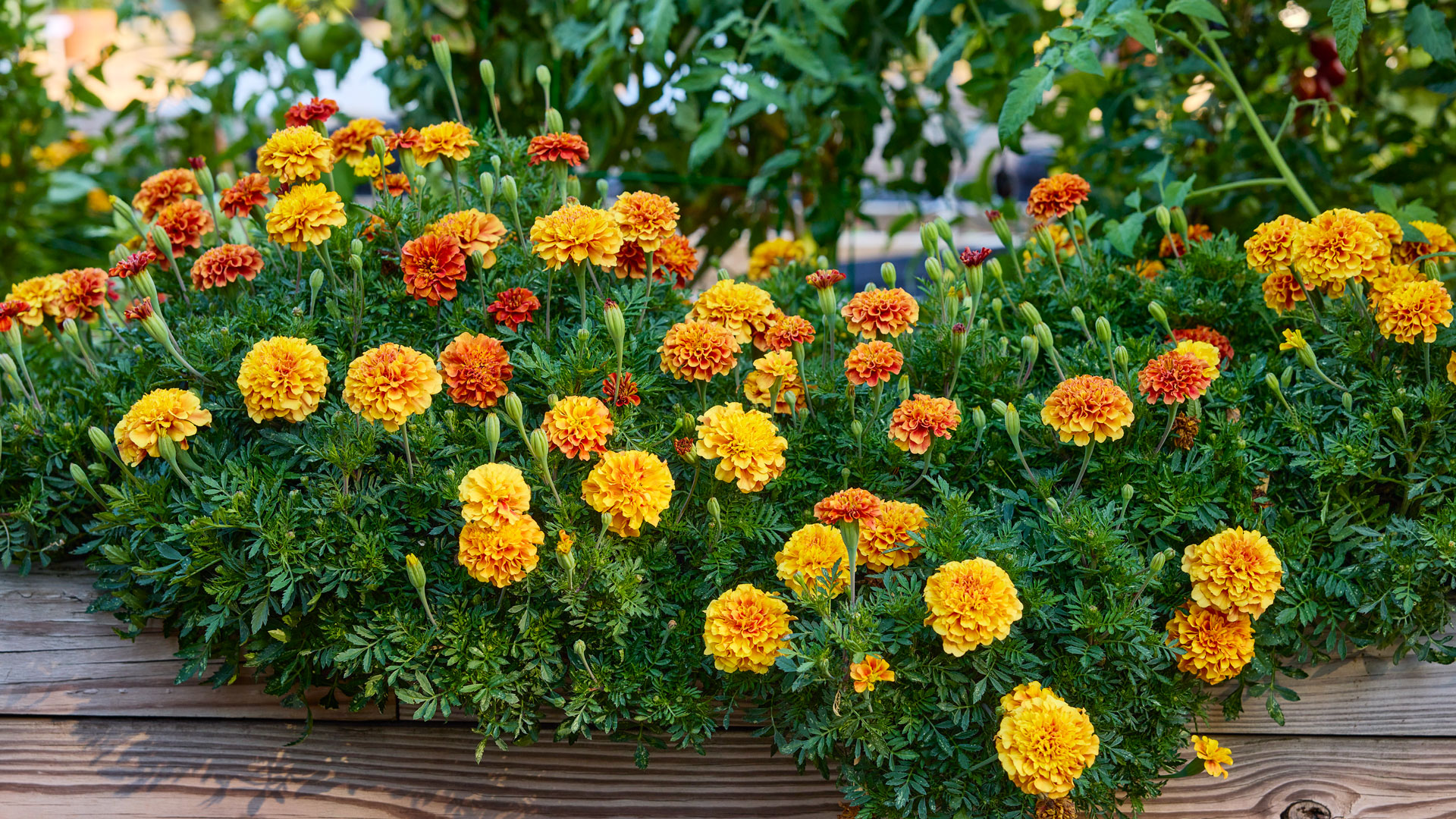
2. Marigold
Tagetes is a popular garden flower known for its strong, pungent scent.
Why it may help:
- The smell can deter insects and small animals, which are food sources for snakes
- Its presence may indirectly reduce snake activity
Marigolds are easy to grow and add vibrant color to your garden while serving a practical purpose.
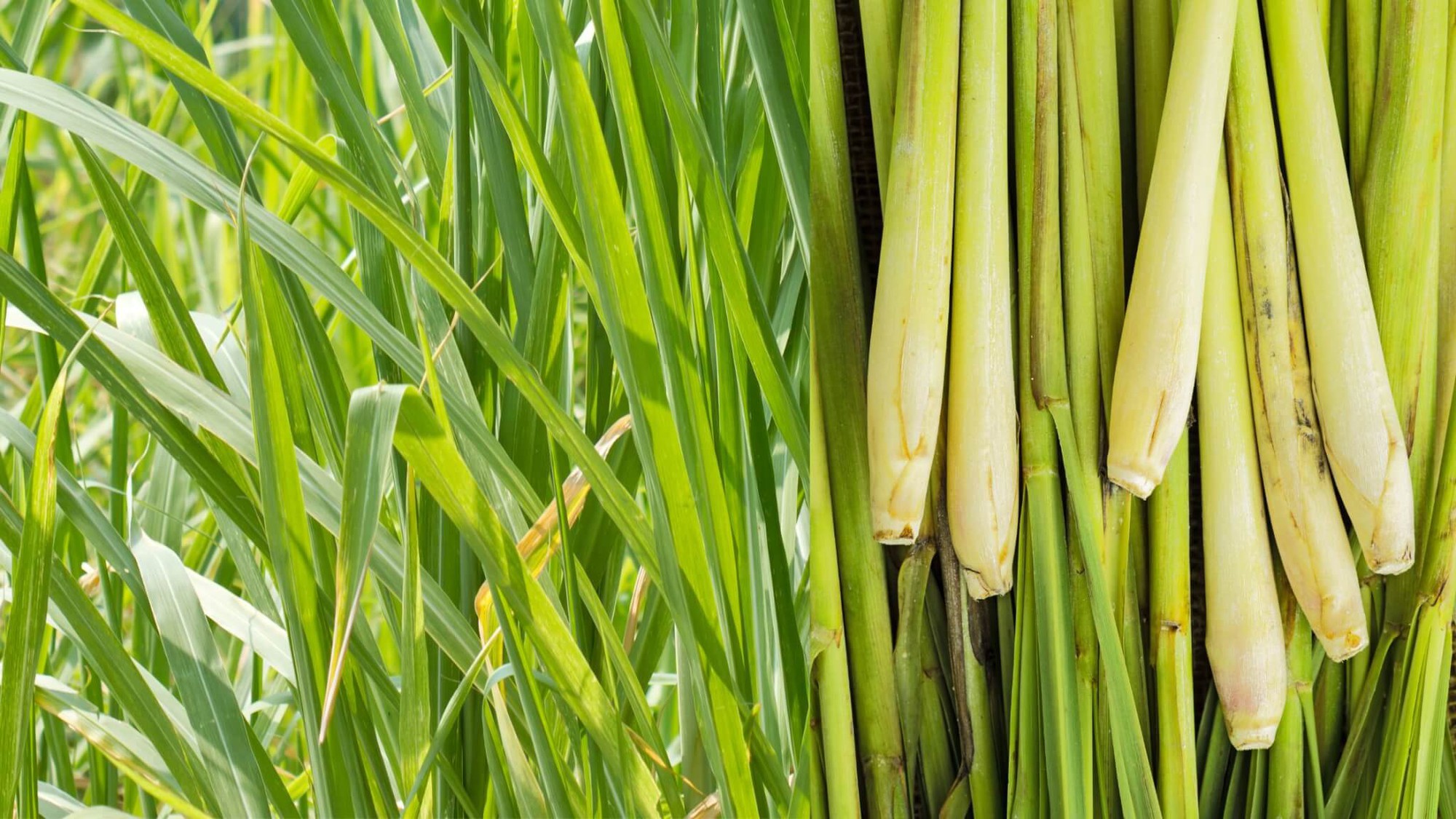
3. Lemongrass
Cymbopogon is widely used in cooking and traditional remedies, but it also has pest-repelling properties.
Why it may help:
- Contains citronella, a natural compound known to repel various pests
- Its strong citrus scent may be unpleasant to snakes
Planting lemongrass around the perimeter of your home can help create a fragrant and functional barrier.
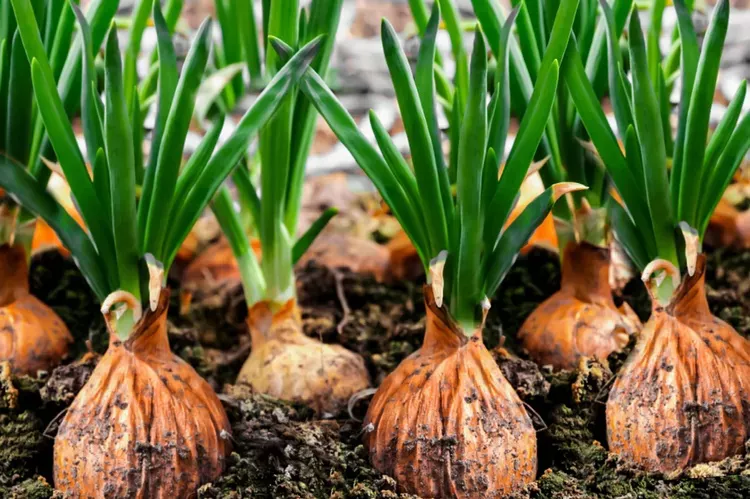
4. Garlic and Onion
Allium sativum and Allium cepa are common kitchen staples that may also help deter snakes.
Why they may help:
- Release sulfur compounds that produce a strong odor
- Can irritate the sensory organs of snakes
You can plant them in garden beds or crush cloves and place them in areas where snakes are a concern.
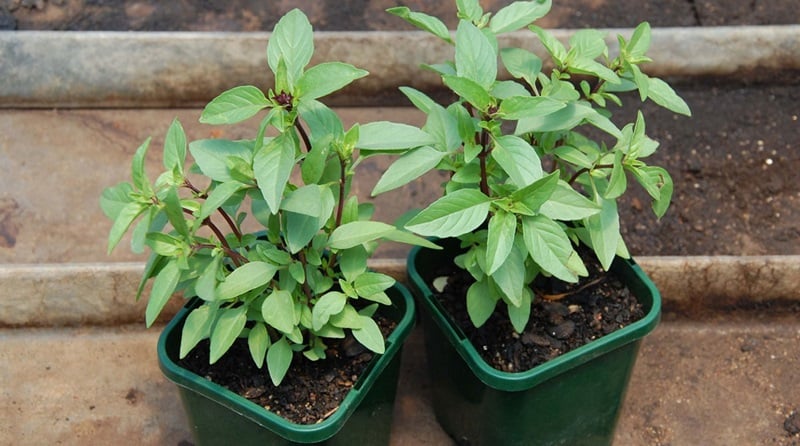
5. Basil
Ocimum basilicum is another aromatic herb that may help keep snakes at bay.
Why it may help:
- Emits a strong scent that can make the environment less inviting
- Helps repel insects, reducing food sources for snakes
Basil is easy to grow in pots or garden beds and provides the added benefit of being useful in cooking.
Additional Tips to Keep Snakes Away
While these plants can help, they work best when combined with proper yard maintenance:
- Keep grass trimmed and remove overgrown vegetation
- Eliminate standing water sources
- Seal gaps around your home’s foundation
- Remove debris, woodpiles, or rocks where snakes can hide
- Control rodent populations
Snakes are usually attracted to areas that provide food, shelter, and moisture. Reducing these factors is key to prevention.
Important Considerations
It’s important to understand that plant-based solutions are not foolproof. Scientific evidence supporting the effectiveness of these plants as snake repellents is limited. Their impact is often indirect—by reducing prey or making the environment less comfortable rather than actively repelling snakes.
If you live in an area with venomous species or experience frequent sightings, it is best to contact local wildlife control professionals.
Final Thoughts
Using natural plants to deter snakes is a safe, eco-friendly approach that can complement other preventive measures. While no single plant can completely eliminate the risk, combining several of these options with good outdoor maintenance can significantly reduce the chances of snakes entering your space.
By creating a clean, well-maintained, and strategically planted environment, you not only make your home less attractive to snakes but also promote a healthier and more enjoyable outdoor living area.