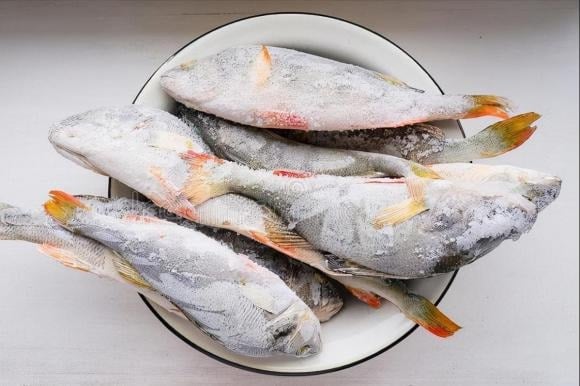
Frozen fish is a convenient and nutritious option, but defrosting it incorrectly can ruin its texture, flavor, and safety. Many people make the mistake of thawing fish at room temperature or using improper methods, which can lead to bacterial growth and a mushy final result.
To preserve freshness and ensure safe cooking, it’s important to use proper defrosting techniques. Below are three easy and reliable methods that help you thaw fish quickly while maintaining its quality.

Why Proper Defrosting Matters
Fish is delicate compared to other proteins. Its muscle fibers break down more easily, which means improper thawing can cause:
- Loss of natural texture
- Uneven cooking
- Increased risk of bacterial contamination
Using the right method ensures your fish stays firm, flavorful, and safe to eat.
1. Refrigerator Thawing (Best for Quality)
This is the safest and most recommended method, especially if you have time.
How to do it:
- Place the frozen fish in a sealed container or plastic bag
- Put it in the refrigerator (around 0–4°C / 32–39°F)
- Let it thaw slowly for several hours or overnight
Why it works:
- Maintains a consistent, safe temperature
- Prevents bacterial growth
- Preserves texture and flavor
Best for:
- Large cuts or whole fish
- Dishes where texture matters (grilling, pan-searing)
Pro tip: Place the fish on a plate to catch any liquid and avoid cross-contamination.
2. Cold Water Method (Fast and Safe)
If you need to defrost fish quickly, this method is both efficient and safe.
Steps:
- Seal the fish in a leak-proof plastic bag
- Submerge it in a bowl of cold water
- Change the water every 20–30 minutes
Time required:
- Typically 30 minutes to 1 hour, depending on thickness
Why it works:
- Cold water transfers heat faster than air
- Keeps the fish at a safe temperature
- Prevents drying out
Important:
Never use warm or hot water, as it can partially cook the fish and damage its texture.
3. Microwave Defrosting (Quickest Option)
When you’re short on time, the microwave can help—but it requires careful attention.
How to do it:
- Use the “defrost” setting on your microwave
- Check the fish every 30–60 seconds
- Rotate or flip pieces for even thawing
Pros:
- Extremely fast (a few minutes)
Cons:
- Can start cooking the edges if not monitored
- May affect texture if overdone
Best for:
- Small portions
- Situations where you’ll cook the fish immediately after
Common Mistakes to Avoid
- Thawing at room temperature: Encourages bacterial growth
- Using hot water: Damages texture and partially cooks the fish
- Leaving fish uncovered: Can lead to contamination and odor transfer
- Refreezing raw thawed fish: Reduces quality and safety
Avoiding these mistakes is just as important as choosing the right method.
How to Know When Fish Is Properly Thawed
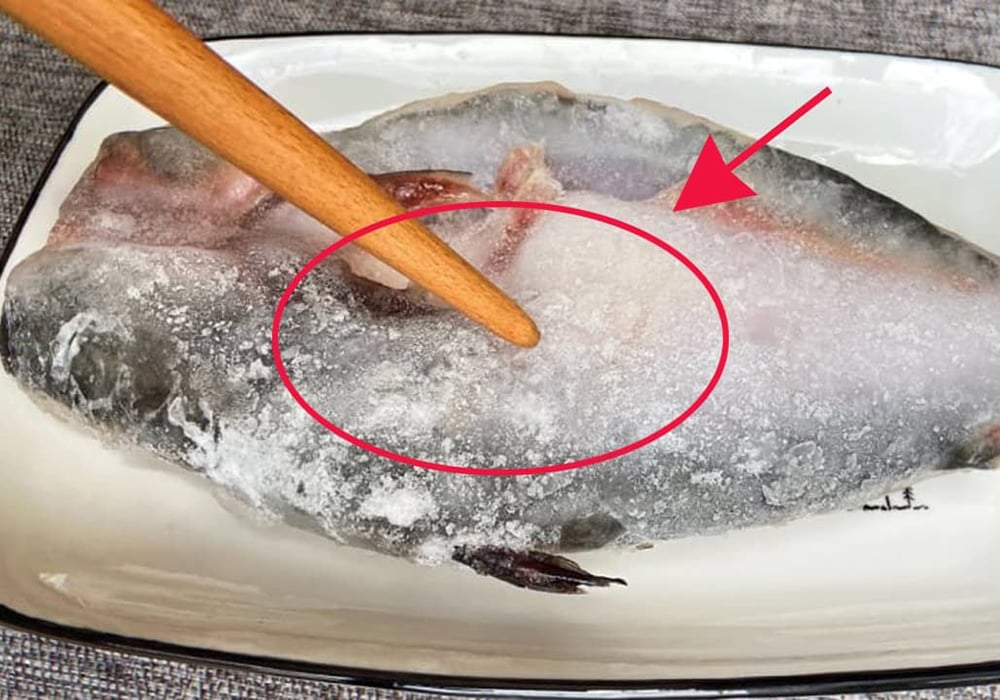
Properly thawed fish should:
- Be flexible but still slightly firm
- Have no ice crystals in the center
- Maintain a fresh, mild smell
If it feels mushy or has an off odor, it may not be safe to use.
Final Thoughts
Defrosting fish the right way is essential for both safety and taste. Whether you choose the slow precision of refrigerator thawing, the speed of cold water, or the convenience of a microwave, each method has its place depending on your schedule.
By following these three techniques, you can ensure your fish remains fresh, flavorful, and perfectly ready for cooking every time.