At first glance, peanuts may seem simple — just a common snack or ingredient found in countless dishes. But when you go to the market, you might notice two main types: red peanuts and white peanuts. Many people assume they are the same, just with different appearances. In reality, they have distinct differences in nutrition, taste, and usage.
Understanding these differences can help you choose the right type for your health goals and cooking needs.
🥜 What Are Red and White Peanuts?
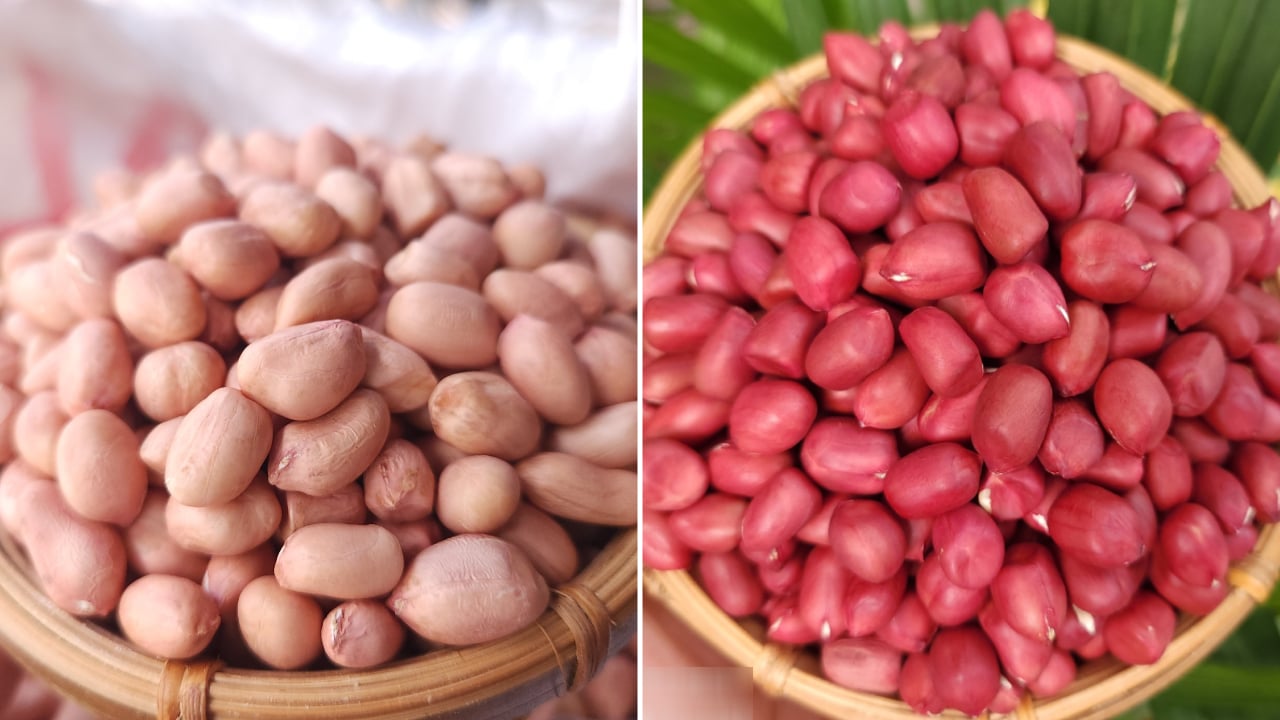
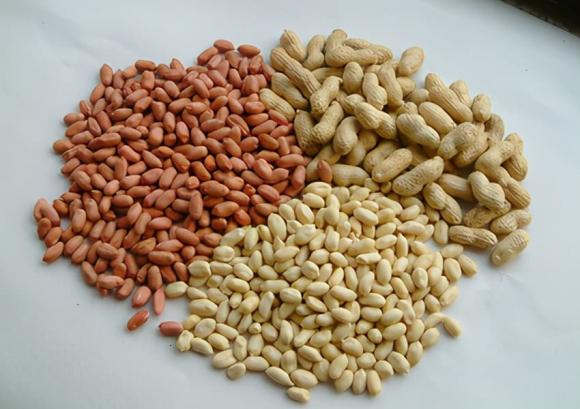
The main difference lies in the thin skin (or seed coat) that covers the peanut kernel.
- Red peanuts have a reddish-brown skin that is usually left intact
- White peanuts are typically peeled, with the skin removed
While this may seem like a minor detail, that thin layer actually plays an important role.
🧬 1. Nutritional Differences
Red Peanuts: Rich in Antioxidants
The red skin contains natural compounds such as:
- Polyphenols
- Antioxidants
These help:
- Protect cells from damage
- Reduce inflammation
- Support heart health
Because of this, red peanuts are often considered more nutritionally dense.
White Peanuts: Milder but Still Nutritious
White peanuts still contain:
- Protein
- Healthy fats
- Vitamins and minerals
However, without the skin:
- They have fewer antioxidants
- Some beneficial compounds are lost during processing
🍽️ 2. Taste and Texture
Red Peanuts
- Slightly earthy and richer flavor
- A bit more firm and chewy due to the skin
White Peanuts
- Milder and smoother taste
- Softer texture
- Often preferred for recipes requiring a clean, neutral flavor
🍳 3. Culinary Uses
Each type is suited for different purposes.
Red Peanuts are often used for:
- Roasting as a snack
- Traditional dishes
- Boiling or steaming
Their skin adds both flavor and nutritional value.
White Peanuts are commonly used for:
- Peanut butter
- Desserts and baking
- Cooking where a smooth texture is needed
Their neutral taste makes them more versatile in certain recipes.
⚖️ 4. Shelf Life and Storage
The skin on red peanuts acts as a natural protective layer, which can:
- Help preserve freshness
- Reduce exposure to air and oxidation
White peanuts, without this layer:
- May spoil faster
- Require more careful storage
🏥 5. Health Considerations
Choose red peanuts if you want:
- Higher antioxidant intake
- More natural, less processed food
Choose white peanuts if you prefer:
- Easier digestion (for some people)
- Smoother taste and texture
However, both types should be consumed in moderation, as peanuts are calorie-dense.
⚠️ Common Misconception
Many people think white peanuts are “cleaner” or “better” because they look more refined. In reality, processing removes some of the most beneficial components.
Sometimes, the more “natural-looking” option (red peanuts) actually offers greater health value.
💡 How to Choose the Right One
Ask yourself:
- Do you want more nutrients? → Choose red peanuts
- Do you need a smooth texture for cooking? → Choose white peanuts
- Are you snacking or roasting? → Red peanuts are often better
- Are you baking or making sauces? → White peanuts work well

🧾 Final Thoughts
Red and white peanuts may look similar, but they are not the same. The presence or absence of that thin skin makes a real difference in nutrition, flavor, and usage.
Choosing the right type isn’t about which one is “better” — it’s about what suits your needs.
So next time you’re at the market, take a closer look.
Because sometimes, the smallest details — like a thin red skin — can make the biggest difference.