Garlic Is Healthy — But Risky for These 4 Groups
Garlic, scientifically known as Allium sativum, has long been valued as both a culinary ingredient and a traditional remedy. It contains sulfur compounds like allicin, which contribute to its distinctive flavor and potential health benefits.
Modern research suggests garlic may help support heart health, improve immunity, and provide antioxidant effects. However, despite its reputation as a “natural superfood,” garlic is not suitable for everyone. According to the article, there are four groups of people who should be cautious—or even avoid—consuming garlic.
1. People with Low Blood Pressure
Garlic has natural blood pressure–lowering effects. While this can benefit those with hypertension, it may be harmful for individuals who already have low blood pressure.
Regular consumption could cause dizziness, fatigue, or even fainting due to further drops in blood pressure.
2. People Taking Blood-Thinning Medications
Garlic may act as a natural anticoagulant by reducing platelet aggregation.
For individuals taking medications like anticoagulants or preparing for surgery, eating too much garlic can increase the risk of bleeding or make it harder for wounds to clot properly.
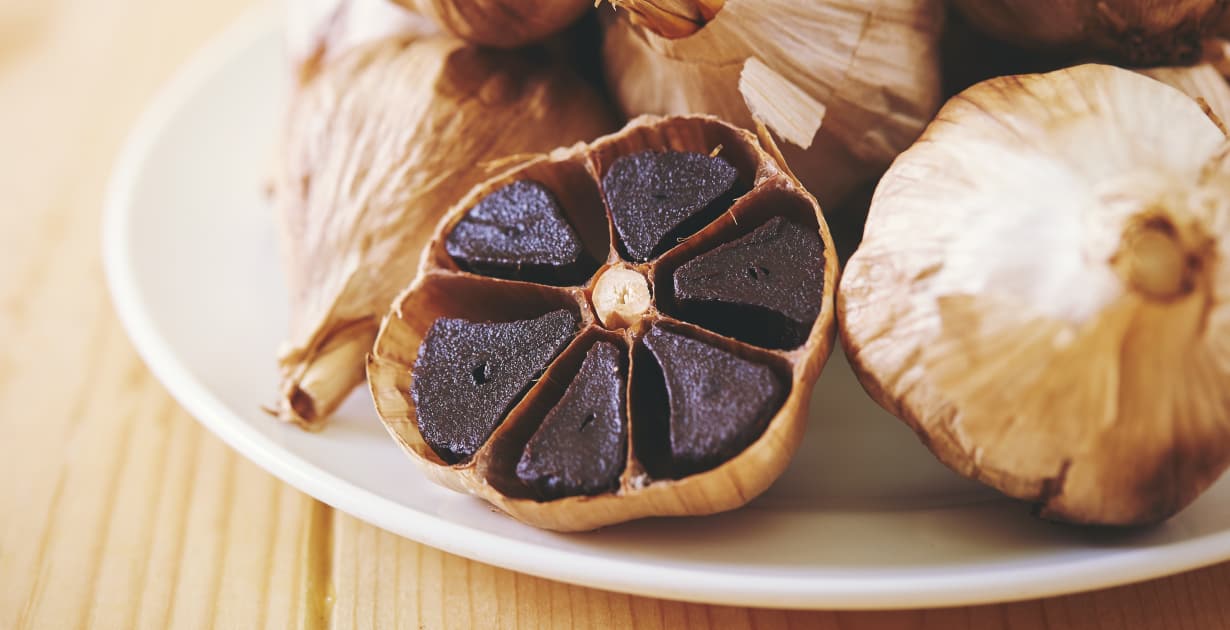
3. People with Stomach or Digestive Issues
Although garlic can support digestion in some cases, it may irritate the gastrointestinal tract in sensitive individuals.
People suffering from conditions such as gastritis, ulcers, or acid reflux may experience worsened symptoms like stomach pain, burning, or discomfort after consuming garlic—especially raw garlic.
4. People with Garlic Allergies or Sensitivities
Some individuals are allergic or sensitive to garlic and other plants in the Allium family. Symptoms can include nausea, diarrhea, mouth irritation, or even breathing difficulties in severe cases.
For these people, avoiding garlic entirely is the safest option.:max_bytes(150000):strip_icc()/Health-GettyImages-1201363083-b887feb2b16b46c2b891a95a5d597185.jpg)
Conclusion
Garlic remains a nutritious and beneficial food for most people when consumed in moderation. However, its powerful biological effects mean it is not universally safe.
If you belong to one of the groups above—or have underlying health conditions—it’s best to consult a healthcare professional before adding large amounts of garlic to your diet.