A shocking medical case involving a man who developed parasitic worms in his brain has sparked widespread concern about food safety—particularly when it comes to pork. While the story may sound alarming, it underscores an important reality: improper cooking habits can expose individuals to serious health risks.
This article explores what happened, how such infections occur, and what you can do to stay safe.
1. What Are “Pork Worms”?
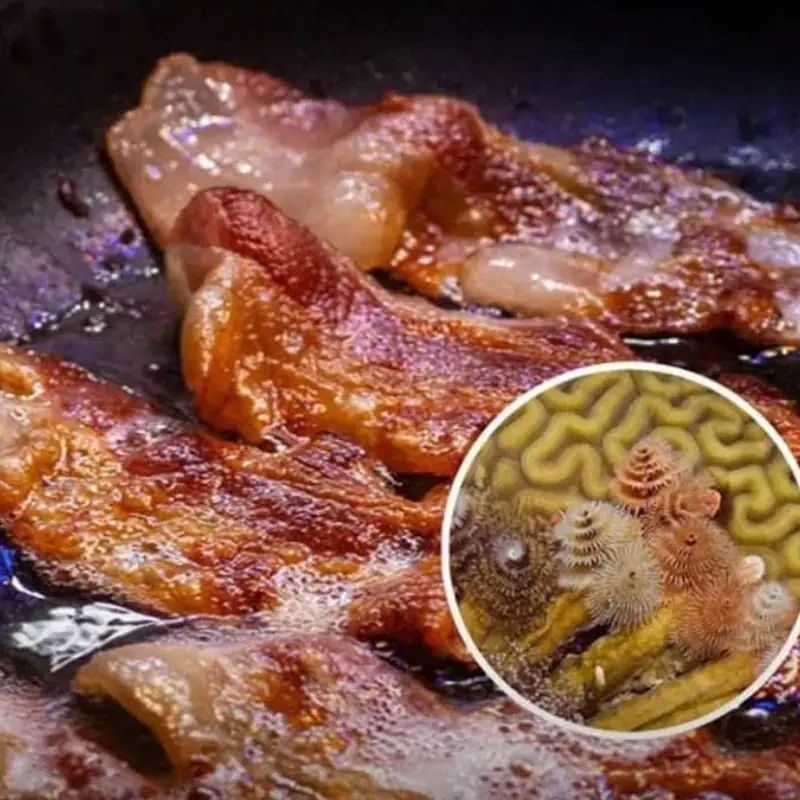
The term “pork worms” commonly refers to the larvae of a parasite called Taenia solium, also known as the pork tapeworm. When humans ingest these parasites—either through contaminated food or poor hygiene—they can develop a condition called neurocysticercosis.
This condition occurs when the larvae form cysts in the brain, potentially leading to severe neurological symptoms.
2. How Does Infection Happen?
Contrary to popular belief, simply eating pork is not inherently dangerous. The risk arises when pork is:
- Undercooked or raw
- Contaminated during handling
- Prepared in unsanitary conditions
When pork containing parasite eggs or larvae is not cooked thoroughly, the parasites can survive and enter the human body.
Additionally, poor hygiene—such as not washing hands properly—can also contribute to infection, even without directly consuming contaminated meat.
3. Symptoms of Brain Infection
Neurocysticercosis can be difficult to detect early, as symptoms may take months or even years to appear. Common signs include:
- Persistent headaches
- Seizures
- Confusion or memory problems
- Nausea and vomiting
- Difficulty with coordination
In severe cases, the condition can be life-threatening if not treated promptly.
4. The Role of Cooking Habits

The case highlighted in the headline suggests that long-term cooking habits may have contributed to the infection. Some risky practices include:
- Eating undercooked pork regularly
- Tasting meat before it is fully cooked
- Using the same utensils for raw and cooked food
- Not maintaining proper kitchen hygiene
These habits may seem harmless but can significantly increase the risk of exposure to harmful parasites.
5. Is This Common?
While the story is alarming, it is important to note that such cases are relatively rare, especially in countries with strong food safety regulations. However, the condition is more common in regions where:
- Sanitation is poor
- Food inspection systems are limited
- Public awareness of food safety is low
Even so, isolated cases can occur anywhere if proper precautions are not taken.
6. Prevention: Simple but Essential Steps
The good news is that preventing such infections is straightforward. Key safety measures include:
- Cooking pork to a safe internal temperature (at least 63°C / 145°F)
- Avoiding raw or undercooked meat
- Washing hands thoroughly before and after handling food
- Cleaning kitchen surfaces and utensils properly
- Freezing pork before cooking to help kill parasites
Following these steps can drastically reduce the risk of infection.
7. Medical Treatment and Outlook
If diagnosed early, neurocysticercosis can often be treated with medications that kill the parasites and reduce inflammation. In some cases, surgery may be required.
Recovery depends on the severity of the infection and how quickly treatment begins. This is why early medical attention is crucial when symptoms appear.
8. Separating Fact from Fear
Headlines like “worms in the brain” can be frightening, but they often lack context. The key takeaway is not to fear pork itself, but to understand the importance of proper food preparation and hygiene.
Millions of people consume pork safely every day. The risk comes not from the food itself, but from how it is handled and cooked.