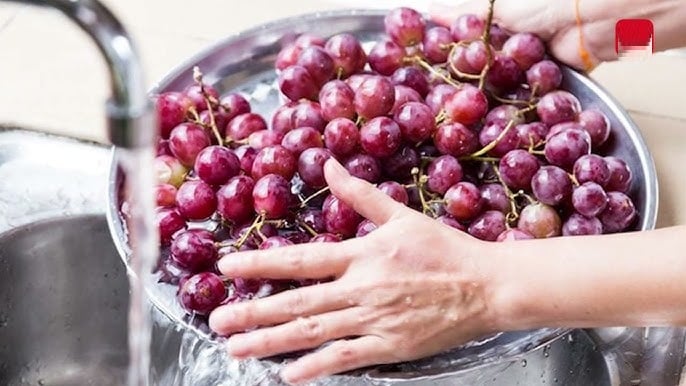
Using Salt or Baking Soda to Wash Grapes Isn’t Enough—Here’s a Better Way to Remove Dirt and Even Insect Eggs
Grapes are a popular fruit enjoyed for their sweetness and health benefits. However, properly cleaning them before eating is more important than many people realize.
Some people believe that soaking grapes in salt water or washing them with baking soda is enough. But according to experts, these methods are not as effective as commonly thought.
Why salt and baking soda may not work well
Unlike many other fruits, grapes grow in tight clusters, making it difficult to clean every surface thoroughly.
Dirt, pesticide residues, and even insect eggs can hide in the small gaps between the grapes and their stems. Simply rinsing with water—or even soaking in diluted salt water—may not fully remove these substances.
Salt water can help kill some bacteria, but it does not have strong enough absorption properties to remove pesticide residues or hidden contaminants.
As for baking soda, while it is often used for cleaning, its alkaline nature may damage the grape skin if used improperly, potentially speeding up spoilage.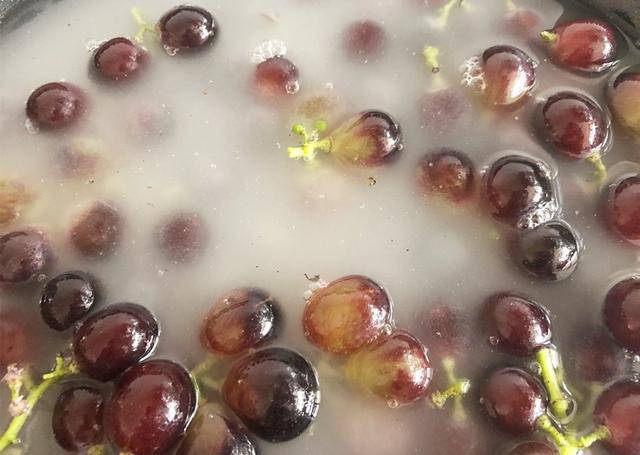
A more effective method: rice water and proper steps
Instead of relying only on salt or baking soda, a more effective approach involves using rice water—a natural and gentle cleaning solution.
Rice water contains mild alkaline properties and has the ability to help break down certain residues. It also has a slight viscosity that helps lift dirt from the surface of grapes.
If rice water is not available, mixing flour with water can be used as an alternative soaking solution.
Step-by-step guide to washing grapes properly
Step 1: Separate the grapes
Use scissors to cut grapes individually from the cluster instead of washing the entire bunch at once. This helps prevent damage and allows better cleaning.
Step 2: Soak in rice water
Soak the grapes in rice water for about 15 minutes. Gently swirl them to help loosen dirt and residues.
After soaking, you may notice impurities such as dust, debris, or even tiny particles floating in the water.
Step 3: Use light salt water briefly
After cleaning with rice water, soak the grapes in a mild salt solution for about 10 minutes to help reduce bacteria and fungi.
Be careful not to use too much salt, as it can affect the taste and texture.
Step 4: Rinse with clean water
Finally, rinse the grapes two more times with clean water and let them drain.
With this method, grapes can be cleaned more thoroughly, making it safer to eat—even with the skin on.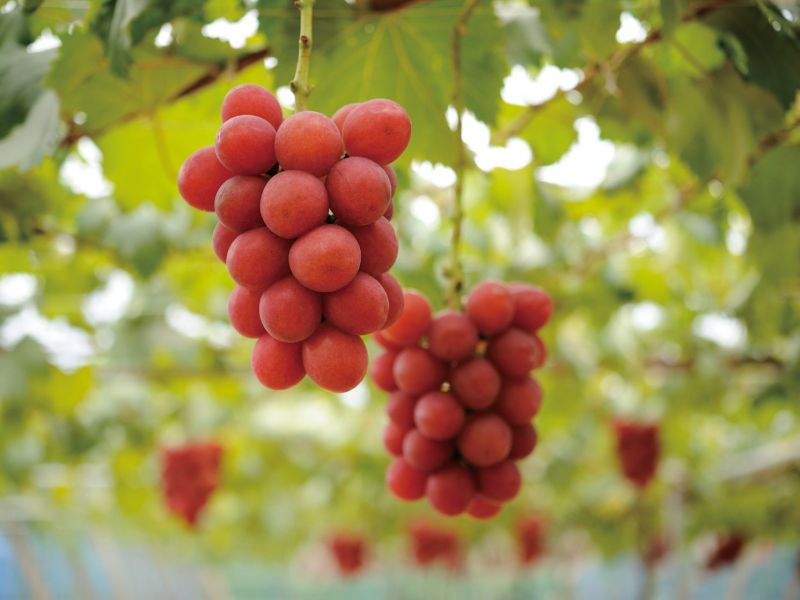
Why eating the skin matters
Many people peel grapes because of their texture or taste, but the skin actually contains beneficial compounds like antioxidants.
Once properly cleaned, eating the whole grape can provide more nutritional value.
The bottom line
Washing grapes is not as simple as it seems. Common habits like using salt or baking soda alone may not be enough.
Using the right method—such as soaking in rice water and following proper steps—can help remove hidden dirt, pesticide residues, and even insect eggs more effectively.