Waking up with a wet pillow might seem harmless or even embarrassing, but experts say it can sometimes be your body’s way of signaling underlying health issues. While occasional drooling during sleep is normal, frequent or excessive drooling may point to problems that deserve attention.
Understanding the causes can help you determine whether it’s just a harmless habit—or something more serious.
Is Drooling During Sleep Normal?
In most cases, drooling while sleeping is completely normal. The body continues to produce saliva even at night to keep the mouth and throat lubricated.
During sleep, especially in deeper stages, the muscles in your face and mouth relax. This makes it easier for saliva to escape, particularly if you’re lying on your side or stomach.
However, if drooling happens frequently or becomes excessive, it may be a sign of an underlying issue.
1. Sleeping Position and Mouth Breathing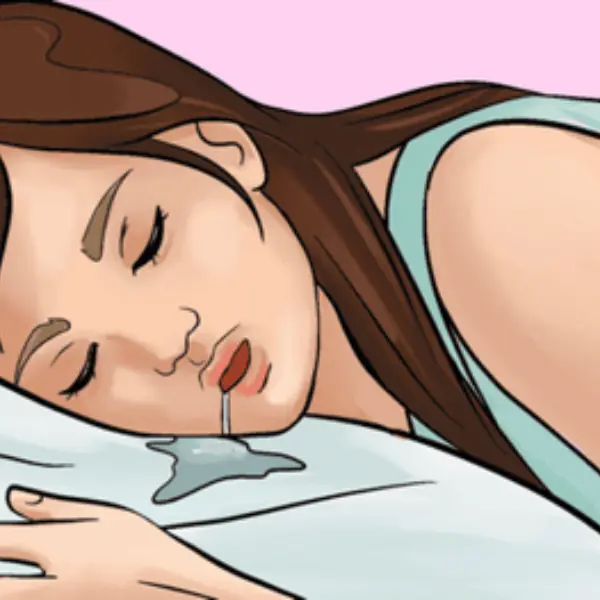
One of the most common reasons for drooling is simply your sleeping position.
- Sleeping on your side or stomach allows gravity to pull saliva out
- Sleeping with your mouth open increases saliva leakage
- Nasal congestion can force you to breathe through your mouth
People who sleep on their backs are less likely to drool because saliva tends to stay in the mouth.
2. Nasal Congestion and Allergies
If your nose is blocked due to allergies, a cold, or sinus issues, you may unconsciously breathe through your mouth while sleeping. This increases the likelihood of drooling.
Common causes include:
- Seasonal allergies
- Sinus infections
- Chronic nasal blockage
When airflow through the nose is restricted, the body compensates by opening the mouth—leading to excess drool.
3. Digestive Issues Like Acid Reflux
Gastroesophageal reflux disease (GERD) can also contribute to drooling. When stomach acid flows back into the esophagus, it can stimulate saliva production as a protective response.
People with reflux may notice:
- Drooling at night
- Burning sensation in the chest
- Sour taste in the mouth
This type of drooling is often accompanied by other digestive symptoms.
4. Sleep Disorders Such as Sleep Apnea
Frequent drooling may sometimes be linked to sleep apnea—a condition where breathing repeatedly stops and starts during sleep.
Signs to watch for include:
- Loud snoring
- Waking up gasping for air
- Daytime fatigue
- Poor sleep quality
Sleep apnea often causes mouth breathing, which can lead to drooling.
5. Neurological or Medical Conditions
In some cases, excessive drooling may be associated with neurological conditions that affect muscle control and swallowing.
These may include:
- Parkinson’s disease
- Stroke-related complications
- Other nerve-related disorders
Drooling occurs when the body has difficulty controlling saliva or swallowing properly.
Although rare, persistent drooling combined with other symptoms should be evaluated by a doctor.
When Should You Be Concerned?
Occasional drooling is nothing to worry about. However, you should consider seeking medical advice if you experience:
- Drooling every night
- Sudden increase in saliva production
- Difficulty swallowing
- Snoring or breathing problems during sleep
- Daytime fatigue or headaches
These could be signs of an underlying health condition.
How to Reduce Drooling During Sleep
There are simple steps you can take to minimize drooling:
- Change your sleep position: Try sleeping on your back
- Clear nasal passages: Treat allergies or congestion
- Improve oral hygiene: Maintain dental health
- Adjust your pillow: Proper support can keep your mouth closed
- Stay hydrated: Balanced hydration supports saliva control
In more severe cases, medical treatment may be necessary depending on the cause.