In everyday life, we often meet people who appear kind, principled, and trustworthy on the surface. They speak about values, fairness, and doing the right thing. But over time, something feels… off. Their actions don’t quite match their words. This is where the idea of “fake morality” comes in.
Fake morality isn’t always obvious at first. In fact, it often hides behind polished language and socially acceptable behavior. But if you pay attention, there are clear patterns that reveal who someone truly is.
Here are four key characteristics that can help you identify people whose morals may not be as genuine as they seem.
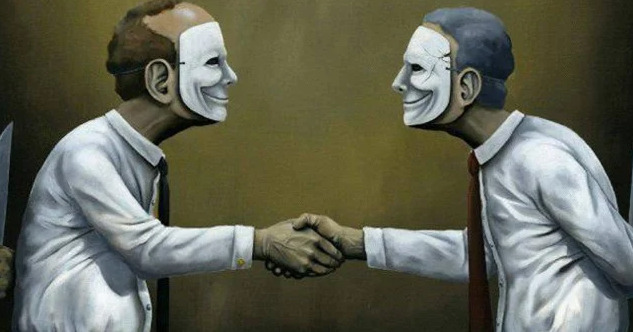
🎭 1. They Talk About Values More Than They Live Them
People with fake morals often love to talk about what is right and wrong. They may:
- Constantly preach about honesty, kindness, or integrity
- Criticize others for not meeting their standards
- Position themselves as morally superior
But when it comes to their own behavior, the same standards don’t apply.
For example, someone might strongly condemn dishonesty — yet lie when it benefits them. Or they may advocate for fairness but act selfishly in personal situations.
This gap between words and actions is one of the clearest signs.
Real morality is demonstrated quietly through consistent behavior — not loud declarations.

⚖️ 2. They Apply Double Standards
A major red flag is when someone judges others harshly but excuses their own actions.
You might notice:
- They expect accountability from others but avoid taking responsibility themselves
- They justify their mistakes while condemning similar behavior in others
- They shift blame instead of reflecting on their actions
This creates an unfair dynamic where they always appear “right,” regardless of the situation.
Double standards reveal that their moral framework isn’t based on principles — it’s based on convenience.
🗣️ 3. They Perform Kindness for Attention
Kindness, when genuine, is often quiet and consistent. But fake morality tends to be performative.
These individuals may:
- Help others only when it’s visible or praised
- Share their “good deeds” publicly for validation
- Act generous in front of others but indifferent in private
Their goal is not necessarily to help — it’s to be seen as someone who helps.
This doesn’t mean every visible act of kindness is fake. But when attention becomes the main motivation, the sincerity of those actions becomes questionable.
🧠 4. They Manipulate Using “Morality”
Perhaps the most subtle — and dangerous — trait is using morality as a tool for control.
This can look like:
- Guilt-tripping others by saying “a good person would…”
- Framing disagreements as moral failures
- Using values to pressure or manipulate decisions
Instead of guiding behavior in a healthy way, morality becomes a weapon.
This creates emotional pressure and can make others doubt themselves, even when they’ve done nothing wrong.
🚨 Why You Should Be Careful
People with fake morals can be difficult to deal with because they often appear trustworthy at first. Their words sound right, and their image is carefully managed.
But over time, their inconsistency can lead to:
- Confusion and emotional stress
- Unfair treatment
- Loss of trust
The danger is not just in what they do — but in how they shape your perception of what is “right.”
🧭 How to Protect Yourself
You don’t need to confront or label anyone immediately. Instead, focus on awareness:
- Pay attention to actions, not just words
- Notice patterns over time, not isolated incidents
- Trust your instincts when something feels inconsistent
Most importantly, set boundaries. You don’t have to distance yourself dramatically — but being cautious about how much trust or emotional energy you invest can protect you.

💡 Final Thoughts
Fake morality isn’t always loud or obvious. It often hides behind confidence, strong opinions, and well-crafted appearances. But the truth always shows in behavior.
The key difference is simple:
Genuine morals are consistent, even when no one is watching.
Fake morals depend on the situation — and the audience.
Learning to recognize these four characteristics doesn’t just help you avoid the wrong people — it also helps you build healthier, more authentic relationships with the right ones.