Watermelon is often seen as the ultimate refreshing fruit — hydrating, naturally sweet, and low in calories. It’s especially popular in hot weather because of its high water content and cooling effect. However, despite its many benefits, watermelon is not suitable for everyone in large amounts.
Certain individuals may need to be more cautious when consuming watermelon due to its sugar content, high water volume, and specific effects on the body. Let’s explore five groups of people who should pay closer attention to how much watermelon they eat.
🍬 1. People with Diabetes
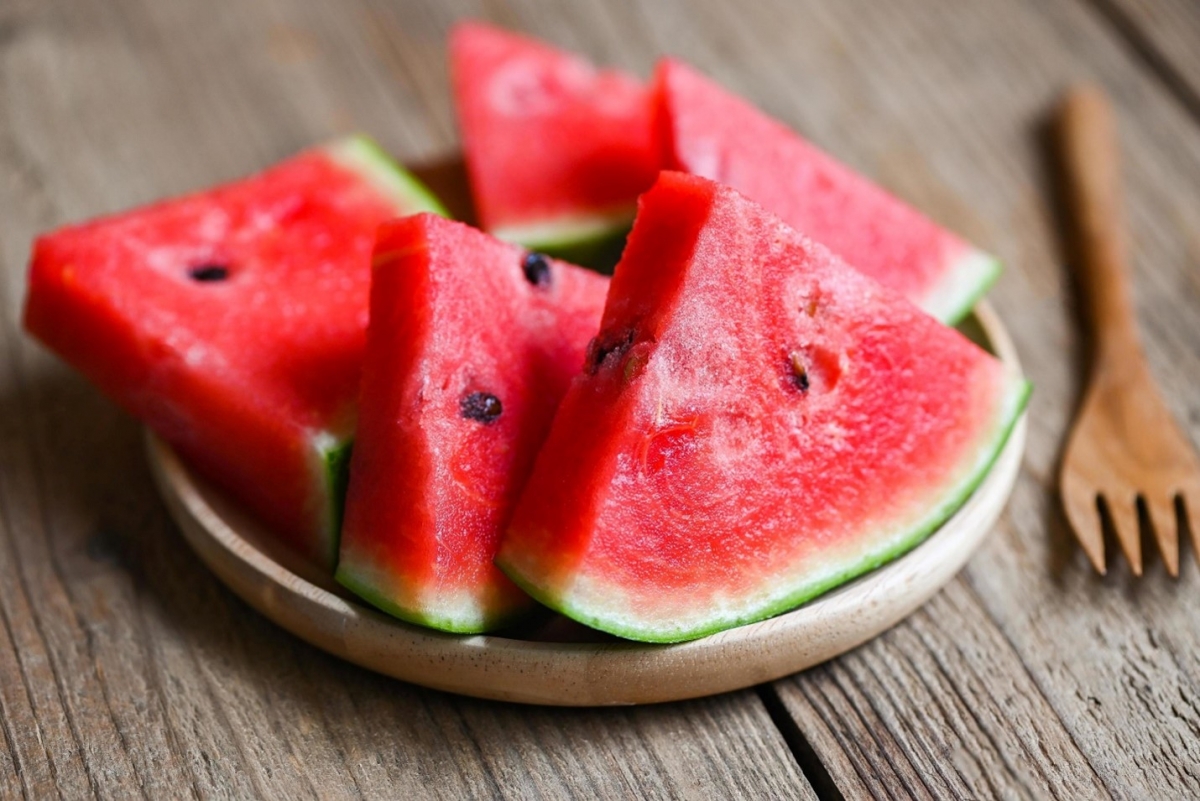
Watermelon has a high glycemic index (GI), which means it can raise blood sugar levels relatively quickly.
Even though it contains natural sugars, consuming large portions may lead to:
- Sudden spikes in blood glucose
- Difficulty maintaining stable sugar levels
For people with diabetes, this doesn’t mean watermelon is completely off-limits — but portion control is essential. Pairing it with protein or fiber-rich foods can help slow down sugar absorption.
⚖️ 2. People Trying to Lose Weight
While watermelon is low in calories, it can still be tricky for weight management when eaten excessively.
Why?
- It’s easy to overeat because it’s light and refreshing
- It contains natural sugars that can add up
- It may not keep you full for long
If you’re trying to lose weight, watermelon can be included in your diet — but it should not replace balanced meals or be consumed in very large quantities.
💧 3. People with Kidney Problems
Watermelon is rich in water and contains potassium, both of which can affect kidney function if consumed in excess.
For individuals with kidney issues:
- Too much fluid can strain the kidneys
- Excess potassium may accumulate in the body
This can lead to imbalances that may worsen existing conditions. Medical guidance is recommended for safe consumption levels.
🤢 4. People with Sensitive Digestion
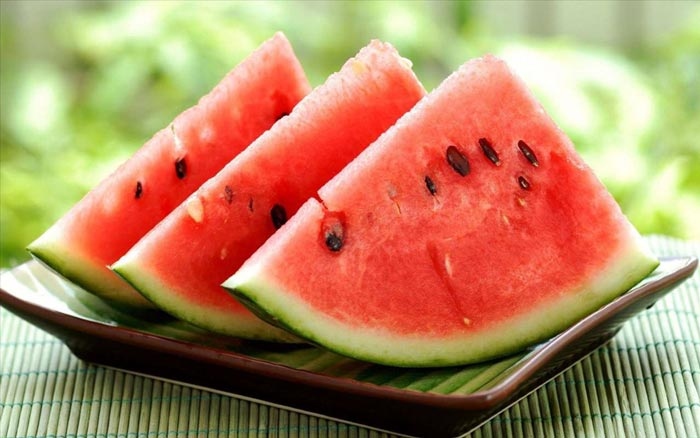
Some individuals may experience digestive discomfort after eating watermelon.
Possible symptoms include:
- Bloating
- Gas
- Diarrhea
This is partly due to watermelon’s high water content and certain natural sugars (like fructose), which can be harder to digest for some people.
If you notice discomfort, it may help to:
- Eat smaller portions
- Avoid combining watermelon with heavy meals
❤️ 5. People with Heart or Blood Pressure Conditions
Watermelon contains compounds like citrulline, which can affect blood vessels and circulation.
While this can be beneficial in many cases, excessive intake may:
- Lower blood pressure too much in some individuals
- Interact with certain medications
People taking medication for blood pressure or heart conditions should be mindful of their intake and consult a healthcare provider if unsure.
⚠️ A Balanced Perspective
It’s important to understand that watermelon is not “bad.” In fact, it offers several health benefits:
- Hydration due to its high water content
- Antioxidants like lycopene
- Vitamins A and C
The key issue is quantity and individual health conditions. What is healthy for one person may not be ideal for another.
🧾 Final Thoughts
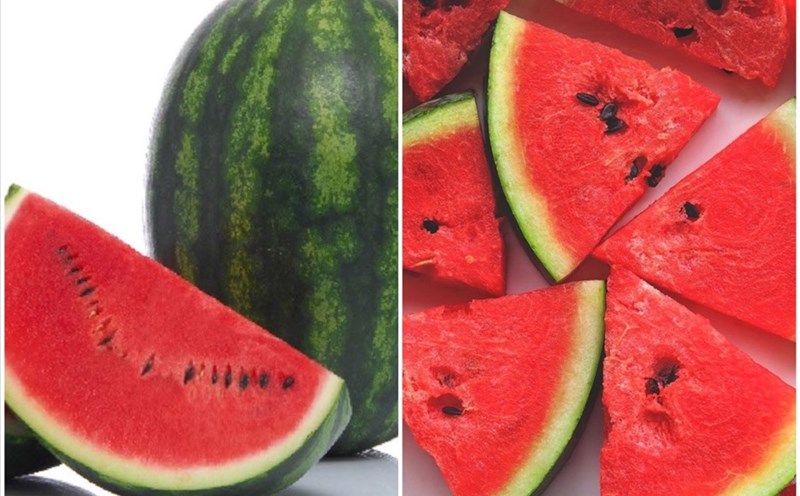
Watermelon is a delicious and refreshing fruit, but like many foods, it should be consumed thoughtfully. People with diabetes, kidney issues, sensitive digestion, or specific health conditions should be especially mindful.
Rather than avoiding watermelon completely, the smarter approach is moderation and awareness. Pay attention to how your body responds, and adjust your intake accordingly.
Because when it comes to health, it’s not just about what you eat — it’s about what works best for your body.