It may seem like a small habit, but wearing socks to bed has sparked growing interest among sleep experts and health researchers. While some people find it uncomfortable, others swear by it as a way to fall asleep faster and sleep more deeply. So what really happens when you sleep with socks on? According to experts, the answer lies in how the body regulates temperature and circulation during sleep.
The Science of Body Temperature and Sleep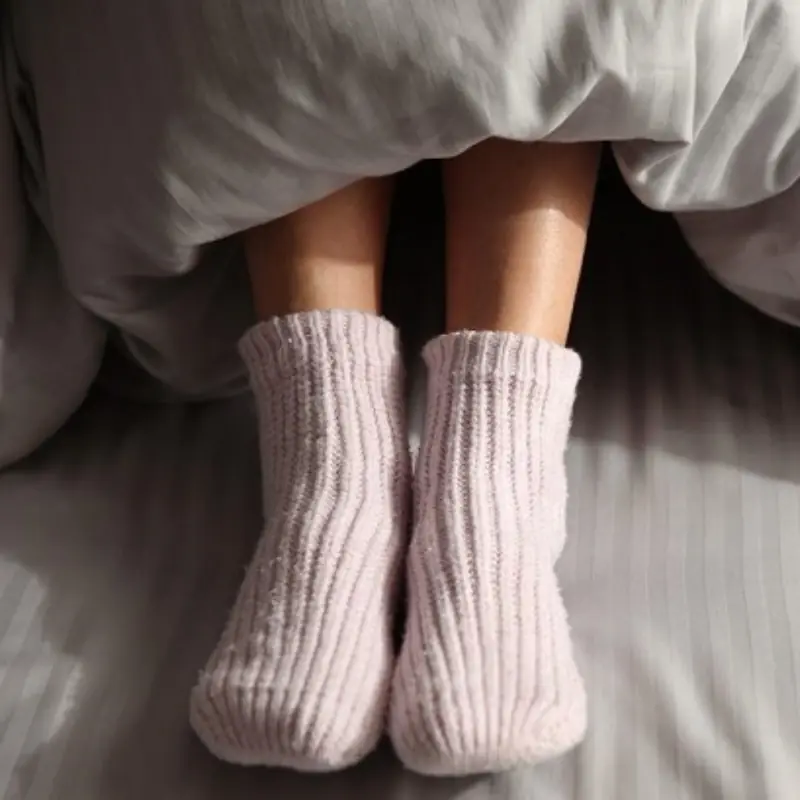
Falling asleep is closely linked to a natural drop in core body temperature. As the body prepares for rest, it redistributes heat from the core to the extremities—especially the hands and feet.
Wearing socks helps warm the feet, which in turn causes blood vessels to dilate, a process known as vasodilation. This allows heat to escape more efficiently, signaling to the brain that it is time to sleep.
As a result, people who wear socks to bed may fall asleep faster than those who do not.
Improved Sleep Quality
Several studies suggest that keeping the feet warm can improve overall sleep quality. Individuals who wear socks at night may experience:
-
Faster sleep onset
-
Fewer nighttime awakenings
-
Longer periods of deep sleep
For those who struggle with insomnia or irregular sleep patterns, this simple habit may offer noticeable benefits.
Better Circulation
Wearing socks can also support healthy blood circulation. By promoting vasodilation, it helps blood flow more freely to the extremities.
This can be particularly beneficial for individuals who often experience cold feet, a condition that may interfere with comfort and sleep.
However, experts advise choosing socks that are not too tight, as excessive pressure could restrict circulation rather than improve it.
Potential Benefits for Skin Health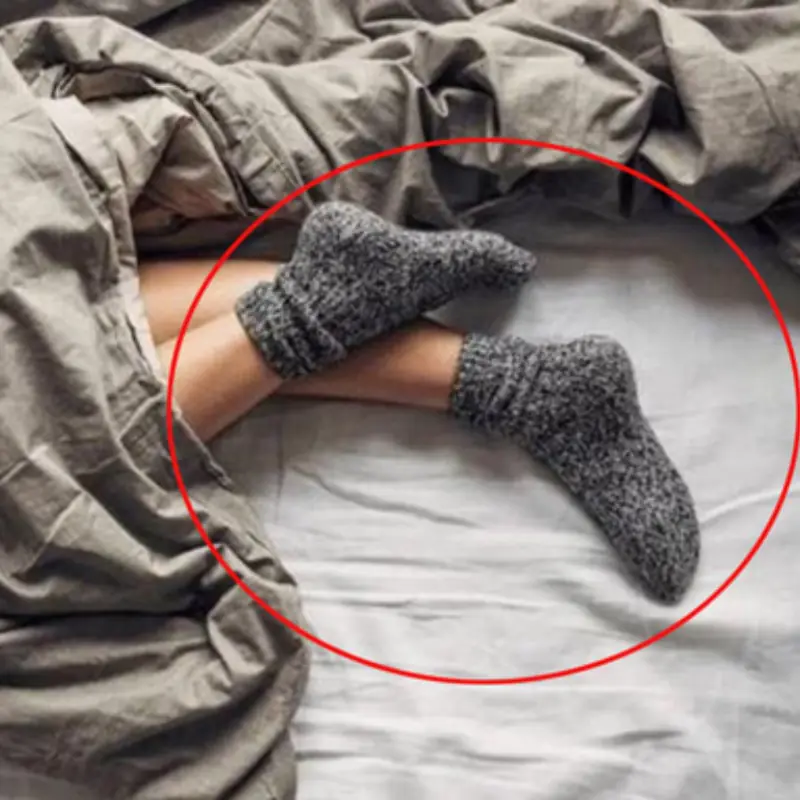
Another lesser-known advantage is improved skin condition. Wearing soft, breathable socks—especially after applying moisturizer—can help prevent dry, cracked heels.
By locking in moisture overnight, socks can support healthier skin on the feet, particularly in dry or cold environments.
Possible Drawbacks to Consider
Despite the benefits, sleeping with socks is not ideal for everyone. Some potential drawbacks include:
-
Overheating: In warm climates or seasons, socks may make the body too hot, disrupting sleep
-
Hygiene concerns: Wearing unclean socks can increase the risk of skin irritation or odor
-
Discomfort: Some individuals simply find socks restrictive or uncomfortable during sleep
Choosing the right type of socks—lightweight, breathable, and clean—is essential to avoid these issues.
Who Might Benefit the Most?
Experts suggest that certain groups may benefit more from sleeping with socks on:
-
People with cold feet or poor circulation
-
Individuals who have difficulty falling asleep
-
Those living in colder climates
For others, the effect may be less noticeable, depending on personal comfort and sleeping conditions.
Choosing the Right Socks
Not all socks are created equal when it comes to sleep. The best options include:
-
Soft, breathable materials like cotton or bamboo
-
Loose-fitting designs that do not restrict blood flow
-
Clean and dry socks to maintain hygiene
Avoid tight or synthetic materials that may trap heat or cause irritation.
A Simple Habit With Noticeable Effects
One of the reasons this practice is gaining attention is its simplicity. Unlike many sleep aids or treatments, wearing socks requires no special equipment or cost.
It is an easy adjustment that can be tested without significant effort, making it an appealing option for those looking to improve their sleep naturally.
Conclusion
Sleeping with socks on may seem like a minor detail, but it can have a meaningful impact on sleep quality, circulation, and comfort. By helping regulate body temperature and promote relaxation, this simple habit may support better rest for many individuals.
As with any health-related practice, personal preference plays a key role. While it may not work for everyone, it offers a low-risk, accessible way to potentially improve sleep—one night at a time.