She Ignored These 5 Symptoms… Until It Became Stage 4 — A Wake-Up Call About Colon Health
Colon cancer doesn’t always come with loud warning signs.
In many cases, it develops quietly—with symptoms that seem “normal” or easy to dismiss.
This story reflects a harsh reality: a woman only discovered her condition at stage 4, after months of ignoring subtle changes in her body.
Here are the 5 key symptoms she—and many others—often overlook.
1. Changes in Bowel Habits


One of the earliest signs is a shift in your normal routine.
-
Frequent diarrhea or constipation
-
Alternating between the two
-
Feeling like you can’t fully empty your bowels
Most people blame diet or stress—but persistent changes matter.
2. Blood in Stool (Even Small Amounts)
This is one of the most critical signs.
-
Bright red or dark stool
-
Blood mixed with stool
-
Sometimes barely noticeable
Many people assume it’s just hemorrhoids… and delay getting checked.
3. Ongoing Abdominal Pain or Bloating


Persistent discomfort is not something to ignore.
-
Cramping
-
Gas or bloating
-
Pressure in the abdomen
If it keeps coming back, it’s not “just digestion.”
4. Unexplained Weight Loss
Losing weight without trying can be a red flag.
When the body is dealing with abnormal cell growth, it may:
-
Burn more energy
-
Lose appetite
-
Struggle to absorb nutrients
5. Constant Fatigue


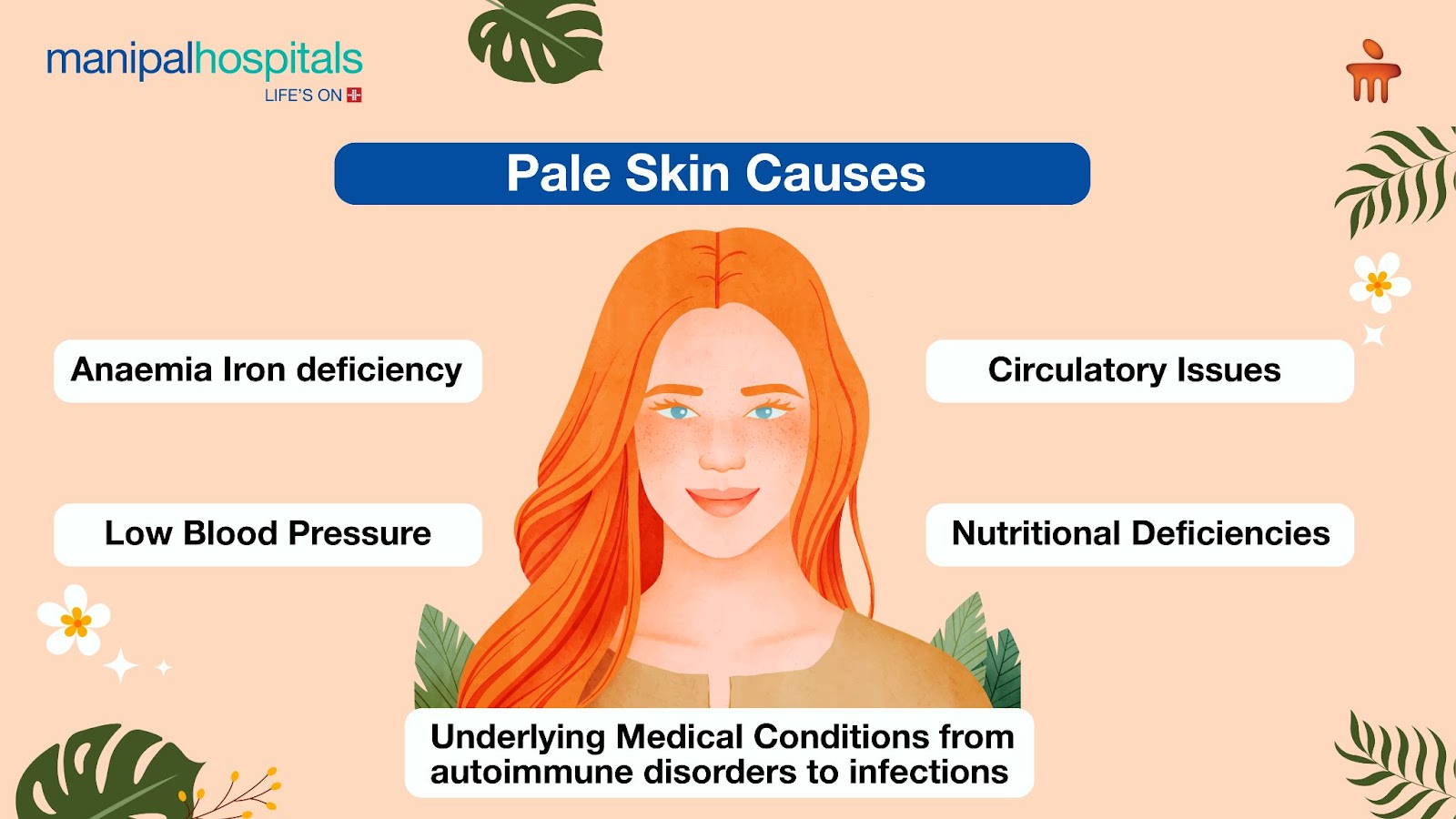
This isn’t just being tired.
-
Feeling weak all the time
-
Low energy even after rest
-
Possible link to anemia (from hidden blood loss)
Why These Signs Get Ignored
Here’s the truth:
These symptoms overlap with everyday issues:
-
Stress
-
Diet changes
-
Busy lifestyle
-
Minor digestive problems
So people delay… and delay… until it becomes serious.
The Reality About Colon Cancer
-
Early stages often have mild or no symptoms
-
Late detection makes treatment harder
-
Early screening can prevent progression
That’s why awareness matters more than fear.
When Should You Take Action?
Don’t wait if:
-
Symptoms last more than 2 weeks
-
You notice blood in stool (even once)
-
There’s a combination of symptoms
A simple screening (like a colonoscopy or stool test) can detect problems early.
How to Protect Yourself
-
Eat more fiber (vegetables, whole foods)
-
Limit processed and red meat
-
Stay active
-
Get regular screenings (especially after age 40–45 or if high risk)
Final Takeaway
This isn’t about fear—it’s about awareness.
The body often whispers before it screams.
Those small, “harmless” symptoms?
They might be your only early warning.
Don’t ignore them.