If you’ve ever noticed a tiny, moving “bag” stuck to your wall, ceiling, or furniture, you’re not alone. At first glance, it looks like dust, debris, or even a strange cocoon. But then it moves and suddenly, curiosity kicks in.
These tiny creatures are known as bagworms, and despite their odd appearance, they play a surprisingly important role in nature. While they may seem like harmless - or sometimes annoying - intruders in your home, their existence is far from random.
Let’s break down what they are, what they do, and why they exist in the first place.
What Exactly Is a Bagworm?
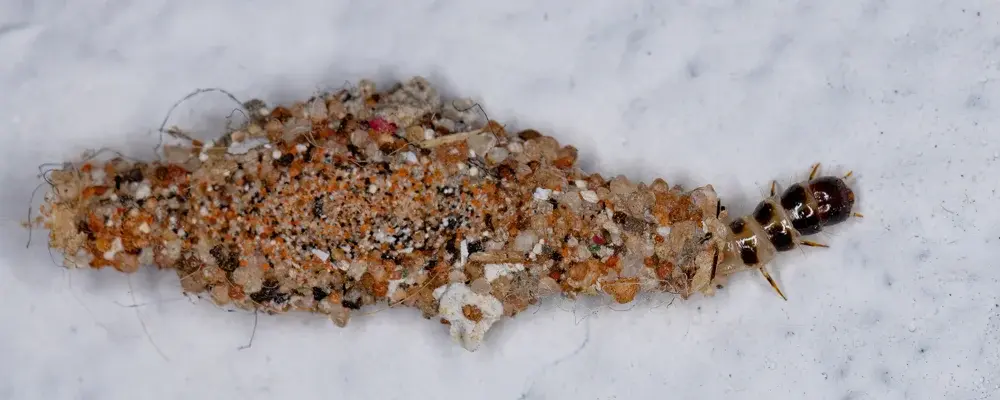
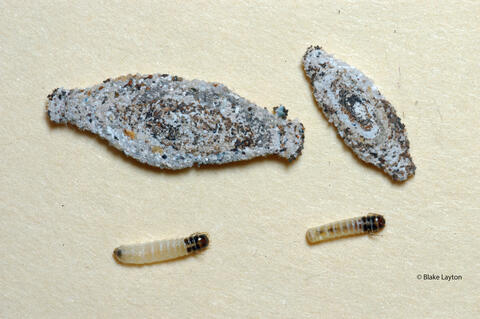
A bagworm is the larval stage of a moth belonging to the family Psychidae. What makes them unique is their ability to build a portable protective case often called a “bag” around their body.
This bag is not just for show. It’s made from:
-
Dust
-
Sand
-
Fabric fibers
-
Hair
-
Tiny plant materials
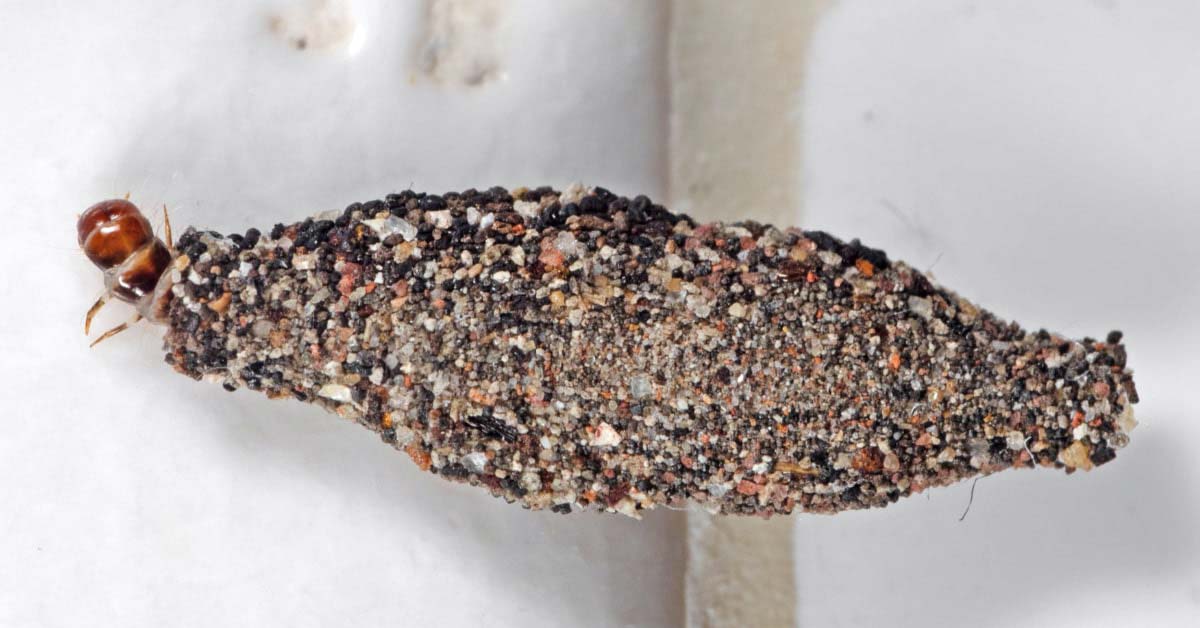
The insect glues these materials together using silk it produces naturally. Then, it lives inside this structure, carrying it everywhere like a mobile home.
From the outside, it looks like a small, rough, elongated pouch. But inside, there’s a living organism actively growing, feeding, and evolving.
Why Do Bagworms Build Those “Bags”?
The bag is essential for survival. It serves multiple critical functions:
1. Protection from Predators
The outer layer camouflages the bagworm, making it look like part of the environment. Birds, ants, and other predators often overlook it.
2. Physical Shield
The tough exterior protects the soft larva from:
-
Physical damage
-
Dry air
-
Environmental stress
3. Mobility and Safety Combined
Unlike many insects that hide in one place, bagworms carry their shelter with them. This allows them to move and feed while staying protected.
What Do Bagworms Actually Do?
At their core, bagworms are decomposers and scavengers.
They feed on:
-
Organic debris
-
Dead insects
-
Hair and lint
-
Natural fibers (like wool or cotton)
In outdoor environments, they help break down plant material, contributing to nutrient recycling in ecosystems.
Indoors, however, their behavior can become problematic.
Why Do They Appear in Your Home?
If you’re seeing bagworms indoors, it’s usually not random. Your environment is providing exactly what they need.
Common reasons include:
1. Presence of Dust and Debris
Bagworms thrive in areas where dust accumulates—corners, ceilings, behind furniture.
2. High Humidity
They prefer slightly humid conditions, which help them survive and build their cases.
3. Availability of Food Sources
Items like:
-
Hair
-
Fabric fibers
-
Spider webs
can all serve as food.
4. Poor Air Circulation
Still air environments make it easier for them to settle and grow undisturbed.
Are Bagworms Dangerous?
Here’s the good news: bagworms are not dangerous to humans.
They:
-
Do not bite
-
Do not sting
-
Do not spread diseases
However, they can still be considered pests in certain situations.
When Do They Become a Problem?
While harmless biologically, bagworms can cause issues if their population grows.
1. Damage to Fabrics
They may feed on:
-
Clothes
-
Curtains
-
Carpets
especially if these are made from natural fibers.
2. Aesthetic Concerns
Seeing small moving “bags” on your walls can be unsettling and unpleasant.
3. Indication of Cleanliness Issues
Their presence often signals:
-
Dust buildup
-
Hidden debris
-
Lack of regular cleaning
The Life Cycle of a Bagworm
Understanding their life cycle explains why they keep appearing.
-
Egg Stage
Eggs are laid inside the protective bag. -
Larva Stage
The larva emerges and begins building its own bag immediately. -
Growth Phase
It feeds and enlarges its bag over time. -
Pupa Stage
Inside the bag, it transforms into an adult moth. -
Adult Stage
The male moth leaves the bag to mate, while the female may remain inside.
This cycle ensures continuous reproduction—especially in stable indoor environments.
Why Do Bagworms Exist in Nature?
From an ecological perspective, bagworms serve several important roles:
1. Natural Recycling System
They help break down organic materials, contributing to nutrient cycles.
2. Food Source
They are part of the food chain, serving as prey for birds and insects.
3. Biodiversity Contribution
Like many small organisms, they play a role in maintaining ecological balance.
Even though they seem insignificant, removing them entirely from ecosystems would create imbalance.
How to Prevent and Control Them
If you want to reduce or eliminate bagworms in your home, focus on changing the environment.
Keep Your Space Clean
-
Vacuum regularly
-
Remove dust from corners and ceilings
Reduce Humidity
-
Use ventilation or dehumidifiers
Store Fabrics Properly
-
Keep clothes clean and sealed
-
Avoid leaving fabrics in damp areas
Improve Airflow
-
Open windows or use fans
Remove Them Manually
If you see one, you can simply remove and discard it.
Final Thoughts
Bagworms may look strange, even unsettling—but they are not random or pointless creatures. They exist as part of a larger ecological system, contributing to decomposition and environmental balance.
Inside your home, however, their presence often reflects environmental conditions rather than danger.
The key insight is this:
Bagworms are not the problem—they are a symptom.
They appear where conditions allow them to thrive. Once you understand that, managing them becomes much easier.
And the next time you see one of those tiny moving “bags,” you’ll know exactly what it is—and why it’s there.